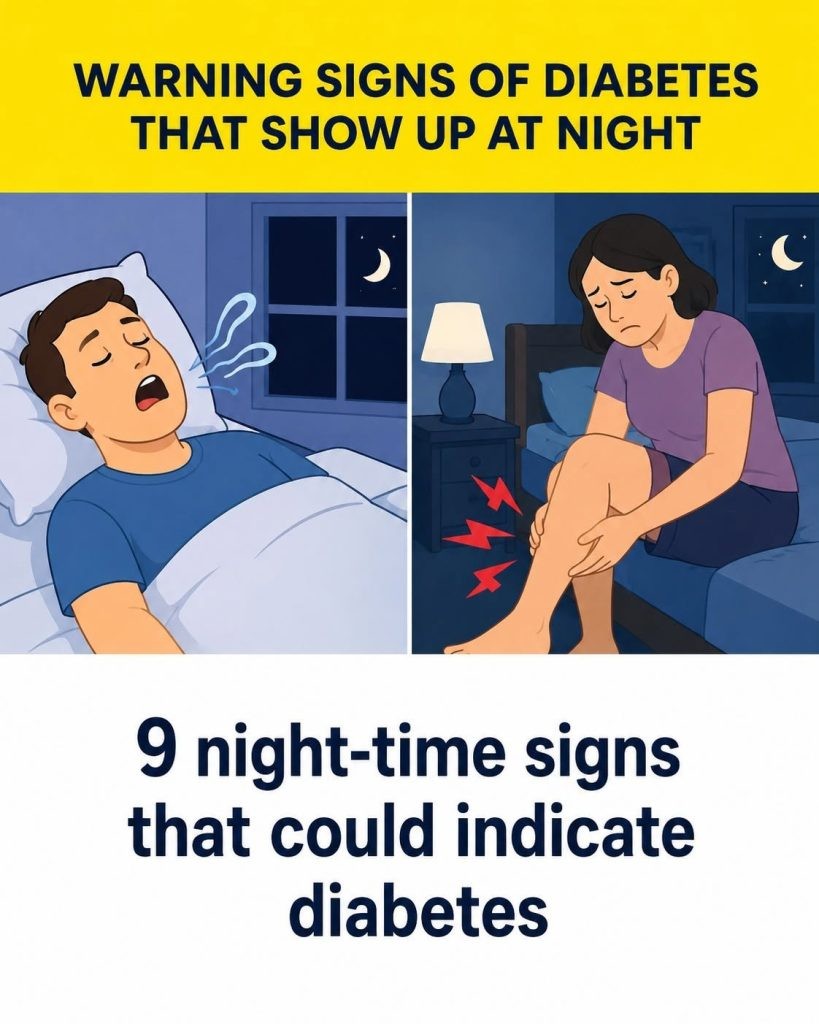
Many Early Signs of Diabetes Are Linked to Blood Sugar Changes That Happen During Sleep
Diabetes, a chronic condition that affects how the body processes blood glucose, often develops gradually. While many people are aware of common daytime symptoms such as thirst, fatigue, and increased appetite, the earliest indicators of disrupted blood sugar regulation can quietly surface during nighttime hours. Recognizing these nocturnal symptoms may offer essential clues to an individual’s overall health and aid in early diagnosis and management of diabetes.
Understanding Blood Sugar Fluctuations During Sleep
Blood glucose levels are not static and can be influenced by various physiological processes, especially while sleeping. During the night, the body continues to regulate blood sugar through hormonal activity and metabolic functions. For individuals in the early stages of diabetes, these regulatory processes may become less effective, leading to visible nighttime symptoms. According to expert medical sources, these signs are particularly significant because they can precede daytime complaints and signal the onset of metabolic changes undermining optimal health.
Frequent Nighttime Urination: A Subtle Warning Sign
One of the most commonly overlooked early symptoms of diabetes is an increased need to urinate during the night, medically known as nocturia. Normally, adults may not need to urinate during sleeping hours, or may only get up once. However, people with elevated blood sugar may find themselves waking up multiple times to use the bathroom. This happens because high glucose concentrations in the bloodstream exceed the kidneys’ capacity to reabsorb the sugar, prompting the body to remove the excess through urine. In turn, this leads to greater fluid loss and disrupts restful sleep. Studies suggest that nocturia can be an important clinical clue, especially if it becomes a recurrent issue over several nights.
Night Sweats and Their Connection to Blood Sugar
At night, the body is especially vulnerable to low blood sugar episodes, known as nocturnal hypoglycemia. For some individuals, especially those already at risk for type 2 diabetes or those taking insulin or diabetes medications, a drop in blood glucose during sleep can trigger a cascade of stress hormone responses. These include sudden sweating, palpitations, trembling, and abrupt awakenings. Night sweats can be mistaken for other conditions, but when paired with additional symptoms such as anxiety and a rapid heartbeat, they may signal underlying glucose regulation problems.
Nocturnal Hunger, Shakiness, and Palpitations
Some people experience nighttime hunger, shaking, or a pounding heart as warning signs of low blood sugar. This phenomenon is often caused by the body’s attempts to stabilize glucose levels by releasing hormones like adrenaline and glucagon. These responses can wake a person and cause confusion, anxiety, or disorientation. If persistent, these symptoms indicate potential blood sugar imbalances that require clinical attention.
Restless Legs and Tingling Sensations: Nerve-Related Symptoms
Long-standing high blood sugar can damage peripheral nerves, a complication known as diabetic neuropathy. While this effect is more frequently observed in advanced diabetes, early nerve changes can still occur. Individuals may notice an increase in sensations such as burning, tingling, numbness, or “pins and needles” in their legs or feet, especially at night. These symptoms can make it challenging to fall asleep or stay asleep, contributing to poor sleep quality. Experts emphasize that persistent neurological discomfort, particularly when it worsens at night, should be discussed with a healthcare provider, as early intervention can slow or prevent progressive nerve damage.
Sleep Disorders: The Link Between Diabetes and Sleep Apnea
Sleep disturbances are significantly more common in individuals with diabetes or those at risk of developing it. Loud snoring, gasping, or observed pauses in breathing during sleep are hallmarks of a condition known as obstructive sleep apnea (OSA). Research indicates a strong relationship between OSA and type 2 diabetes, where the presence of one condition increases the likelihood of developing the other. Sleep apnea reduces oxygen levels during the night, fragments sleep, and can worsen blood sugar control. Many health authorities recommend screening adults with sleep apnea symptoms for diabetes, due to their interconnected nature.
Excessive Thirst and Dry Mouth During the Night
Waking up with an intense thirst or dry mouth overnight may also signal high blood sugar. As the body works harder to eliminate excess glucose via increased urination, dehydration can occur. This leads to the sensation of dryness and persistent thirst. Excessive thirst (polydipsia) and urination (polyuria) are classical warning signs of diabetes, but they are often first experienced during the quiet hours of the night. Individuals noticing these symptoms should consider a medical evaluation to discern the underlying cause.
Continued Fatigue and Poor Sleep Quality
Poor sleep quality and prolonged tiredness, even after adequate hours of rest, are not just lifestyle concerns—they may herald significant blood sugar problems. Nightly interruptions from urination, hunger, or discomfort disrupt the body’s restorative processes during sleep. This can result in daytime fatigue, irritability, reduced concentration, and increased risk of accidents. Chronic sleep deprivation, in turn, can exacerbate metabolic dysfunction, creating a cycle that further impairs glucose regulation.
The Importance of Early Detection and Management
Identifying the nocturnal signs of diabetes provides a critical window for early intervention. Left unaddressed, sustained blood sugar imbalances can increase the risk for long-term complications such as cardiovascular disease, kidney dysfunction, vision loss, and impaired wound healing. Recognizing patterns such as increased nighttime urination, persistent thirst, unexplained fatigue, and sleep disturbances empowers individuals to seek timely medical care. Blood tests such as fasting glucose or HbA1c can confirm a diagnosis and prompt initiation of lifestyle and therapeutic strategies to mitigate the risks.
Expert Perspectives on Nocturnal Diabetes Symptoms
Diabetes specialists and endocrinologists emphasize that nighttime symptoms should not be minimized. According to the Centers for Disease Control and Prevention (CDC), emerging research increasingly recognizes the unique risks posed by sleep disturbances and circadian rhythm disruptions in the context of type 2 diabetes. Dr. Joshua Joseph, an endocrinologist at The Ohio State University, notes, “Sleep is a critical factor in metabolic health. If people begin to notice they are waking up repeatedly to urinate, feeling thirsty, or having episodes of night sweats and palpitations, these could be early signals of dysregulated blood sugar.”
Moreover, the Mayo Clinic outlines that early intervention—through improved nutrition, exercise, weight management, and, when needed, medication—can dramatically reduce diabetes-related complications. Awareness of subtle nocturnal symptoms allows for disease reversal in its earliest, most treatable phase for many patients with prediabetes or early-stage diabetes.
Societal and Global Impact of Early Diabetes Symptoms
Globally, diabetes is a leading health concern, with the World Health Organization (WHO) projecting that the number of adults living with diabetes will rise significantly in coming decades. Awareness campaigns around early symptoms, especially those that manifest at night, can improve population-level detection rates, reduce the burden of complications, and save on healthcare costs. Sleep health, once considered secondary, is increasingly recognized as a foundational pillar for diabetes prevention and control policies worldwide.
What To Do If You Notice Nighttime Symptoms
If you or someone you care about frequently experiences symptoms such as nighttime urination, unquenchable thirst, night sweats, restlessness, or unexplained fatigue, it is important to seek medical advice. Early assessment usually entails blood glucose monitoring and a detailed discussion of medical history. If diabetes or prediabetes is diagnosed, clinicians can provide personalized recommendations that may include lifestyle modification, dietary guidance, physical activity, and careful monitoring for progression.
Conclusion
Many early signs of diabetes are intimately linked to blood sugar changes that occur during sleep. Frequent urination, night sweats, hunger, tingling sensations, sleep disruptions, excessive thirst, and fatigue should not be dismissed as routine sleep issues. They serve as crucial warning signals of potential blood glucose imbalance. Recognizing and responding to these indicators, in consultation with a healthcare professional, can ensure timely intervention, improved health outcomes, and a reduction in life-limiting complications associated with diabetes.
Sources
- Centers for Disease Control and Prevention (CDC)
- World Health Organization (WHO)
- Mayo Clinic
- BBC Health
- Reuters Health
- The Guardian – Diabetes
Disclaimer: This content is intended for entertainment purposes only and is not based on real events.