Fresh vs. Older Eggs: Understanding Shelf Life, Safety, and Packaging Dates
The Importance of Egg Freshness in Everyday Diets
Eggs are a staple food in kitchens across the globe, valued for their versatility, nutritional content, and role in countless recipes. While many consumers prioritize buying eggs as fresh as possible, questions often arise regarding the safety and quality of eggs that have been stored for extended periods. This article explores the science behind egg freshness, health considerations, and packaging regulations to help readers make informed choices while minimizing food waste.
What Happens to Eggs as They Age?
Fresh eggs are generally considered best for taste, texture, and nutritional value. However, eggs naturally deteriorate over time due to physical and chemical changes, even if they are still safe to eat. As eggs age, moisture and carbon dioxide slowly escape through microscopic pores in the shell. This process leads to several noticeable changes:
- The yolk becomes more fragile and prone to breaking.
- The egg white, or albumen, becomes thinner and more runny.
- Air pockets inside the egg grow larger.
- Overall quality and suitability for certain recipes (such as poaching or baking) may decline.
According to food safety authorities, these changes are natural and do not necessarily make the egg unsafe—provided it has not spoiled. It is important to distinguish between deteriorating quality and the risk of consuming eggs that may have gone bad.
Risks of Consuming Older Eggs
One of the main concerns with eating older eggs is the increased risk of foodborne illness, particularly from bacteria such as Salmonella. While proper refrigeration and handling can greatly reduce this risk, aging eggs are more vulnerable because their protective barriers (both physical and chemical) gradually weaken over time.
The United States Centers for Disease Control and Prevention (CDC) and the Food and Drug Administration (FDA) recommend storing eggs at a consistent refrigerator temperature of 40°F (4°C) or lower. Consumption of eggs past their prime, especially if improperly handled or stored, could increase the likelihood of illness. Symptoms of egg-related food poisoning may include nausea, vomiting, abdominal cramps, or fever.
To safeguard health, discard eggs that smell bad, have an unusual appearance, or float in water (a common home freshness test). Always cook eggs thoroughly, particularly when serving vulnerable populations such as children, elderly individuals, or those with compromised immune systems.
Eggs: A Versatile Nutritional Source
Eggs are recognized for their high protein content, essential vitamins, and minerals including Vitamin B12, selenium, and choline. Their adaptability means they can feature in a diverse range of dishes: scrambled, fried, poached, baked, or as a key ingredient in cakes, custards, and sauces. While fresher eggs are preferred for certain preparations—such as poaching, where the structure of the yolk and white plays a crucial role—older eggs can still be safe and tasty when properly handled and cooked.
Decoding Egg Carton Dates: Sell-By, Expiration, and Julian Codes
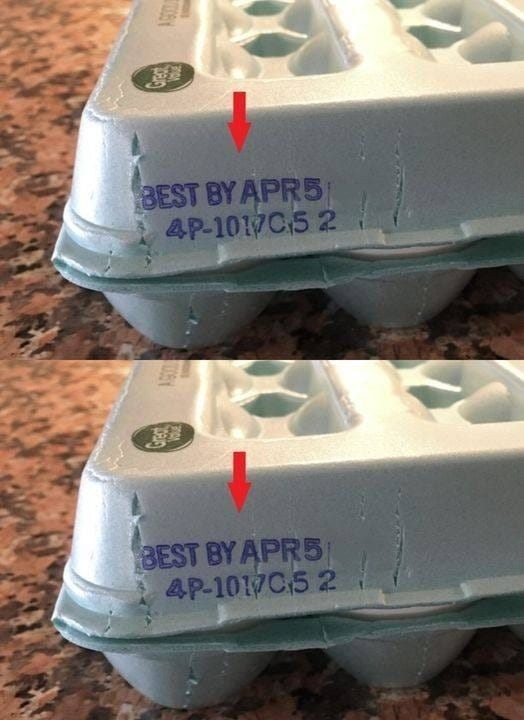
Unlike many packaged foods, egg cartons present consumers with more than one type of date. Understanding these dates is essential to maximizing freshness and safety:
- Sell By Date: Indicates the last day eggs should be sold. It does not necessarily reflect the last day the eggs are safe to eat.
- Expiration Date: Less commonly used, the expiration date marks the recommended latest day for consumption.
- Julian Date: A three-digit code found near the sell by date represents the day eggs were washed, graded, and packed. The Julian date ranges from 001 (January 1) to 365 (December 31).
For example, a Julian date of 120 indicates the eggs were packed on the 120th day of the year—typically in late April. By reading this code, consumers can estimate how recently the eggs were packaged.
How to Use Julian Dates When Shopping for Eggs
The Julian code provides a transparent way to assess egg freshness, especially since eggs can legally be sold weeks after packing. The United States Department of Agriculture (USDA) allows eggs to be sold up to 30 days after their packing date. Meanwhile, eggs remain at their peak quality for approximately four to five weeks after packaging.
To shop for the freshest eggs:
- Look for cartons with a recent Julian date.
- Check both the Sell By Date and Julian code before purchasing.
- Consider your planned usage—fresher eggs are better for poaching, while older eggs may be suitable for baking or hard-boiling.
Egg Storage and Handling Tips
Proper storage and handling can extend egg freshness and reduce safety risks:
- Store eggs in their original carton, which helps protect them from absorbing odors and moisture loss.
- Keep eggs refrigerated at or below 40°F (4°C) at all times.
- Do not wash eggs before storing, as this can remove the natural protective coating.
- Use eggs within three to five weeks from the packing date for highest quality.
- Check eggs for cracks and discard damaged eggs, as bacteria can enter through the shell.
Minimizing Food Waste: When is it Safe to Eat Older Eggs?
Many consumers worry about discarding eggs that are past their Sell By date but still appear edible. To minimize waste while maintaining food safety:
- Test eggs for freshness by placing them in a bowl of water. Fresh eggs sink, while older eggs float due to enlarged air pockets.
- Trust your senses: avoid eggs with unpleasant odors or unusual colors.
- When in doubt, cook eggs thoroughly, as heat kills most bacteria.
The USDA emphasizes that eggs not exhibiting signs of spoilage may be safe beyond the Sell By date, especially if kept consistently cold. If you have questions about a particular batch of eggs, consult official guidance from reliable sources such as the CDC or FDA.
Egg Regulations: Global and U.S. Perspectives
Egg safety and labeling are regulated differently across countries. In the United States, the USDA oversees grading and packaging standards, requiring eggs to be cleaned, inspected, and labeled with clear codes. In many European countries, eggs are not refrigerated in stores but are kept at room temperature, due to differences in processing and regulations.
Globally, food safety authorities recommend buying eggs from reputable suppliers, storing them correctly, and following local regulations. Consumers should be aware of differences in labeling and shelf-life policy from country to country.
Expert Views on Egg Consumption and Shelf Life
Nutritionists and food safety experts generally agree that eggs, when properly stored and handled, are safe to eat past their packing date—but with caveats. Dr. Catherine Adams Hutt, a food safety consultant, explains, “Eggs possess natural defenses against spoilage, but the risk of contamination increases as they age. Good practices in storage and cooking are key.”
Scientists recommend using eggs within five weeks of packing for best taste and texture. “The Julian date is a useful tool for assessing freshness, especially if you buy in bulk or use eggs for premium recipes,” suggests Dr. Elizabeth Allgeier, a food scientist. She adds that regular inspection and careful handling are essential for household safety.
International agencies, including the World Health Organization (WHO), stress the importance of handling eggs responsibly and consuming them before spoilage signs appear.
Societal Impact: Food Safety, Waste Reduction, and Consumer Awareness
Egg recalls and foodborne illness outbreaks periodically make headlines, reinforcing the need for vigilance and education. In recent years, major retailers have implemented stricter controls and clearer labeling to protect consumers. Advocacy groups encourage a balance between minimizing food waste and ensuring health, supporting efforts such as home freshness tests and consumer training seminars.
By learning how to interpret carton codes and recognize spoilage, individuals can play a role in reducing unnecessary disposal of safe food, while safeguarding family health.
Conclusion: Making Informed Choices About Eggs
Eggs are a nutritious and practical staple, but their freshness and safety depend on multiple factors—including packing dates, storage conditions, and attentive consumer practices. By understanding how eggs age, what carton codes mean, and how to identify safe and spoiled eggs, shoppers can maximize value and minimize waste. Whether preparing classic breakfasts or adventurous recipes, knowledge about egg shelf life ensures both quality and safety.
References and Further Reading

Disclaimer: This content is intended for entertainment purposes only and is not based on real events.