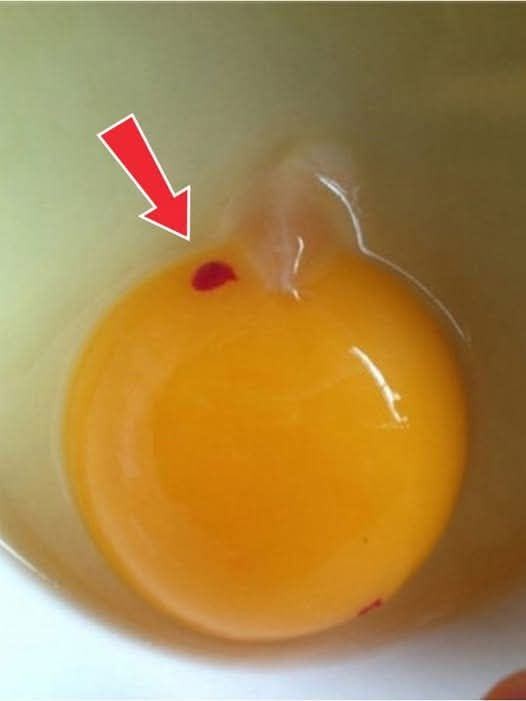
Why Do Some Store-Bought Eggs Have Red or Pink Floating Spots?
Cracking open a store-bought egg can sometimes reveal a surprising sight: small red or pinkish spots floating in the egg white or attached to the yolk. These so-called “blood spots” often raise concerns among consumers about egg safety and edibility. However, food safety specialists and egg industry experts agree that such findings are far more common and harmless than many realize. This article delves into the scientific reasons behind these blood spots, explores their safety implications, examines industry quality standards, and shares expert and consumer perspectives on this natural phenomenon.
Understanding Blood Spots: What Are They?
Blood spots—sometimes known as meat spots—refer to tiny red or pinkish flecks that may appear inside an egg. They are the result of a small blood vessel rupturing in the hen’s ovary or oviduct during the egg’s formation. This natural event can happen for various reasons, including the age of the hen, genetics, or slight disturbances during egg laying.
The formation of these spots is not unusual: hens, like all animals, go through biological processes that aren’t always perfectly uniform. According to the United States Department of Agriculture (USDA) and other food safety authorities, blood spots are a natural consequence of egg development, not a sign of infection or unsanitary conditions. They occur in both brown and white eggs and are considered a harmless imperfection when present in small amounts.
How Common Are Blood Spots in Commercial Eggs?
Most people will rarely encounter blood spots in supermarket eggs, thanks to advances in modern food processing. Commercial egg producers use machinery called candling—a process in which eggs are illuminated by bright lights that make imperfections stand out—to screen eggs for defects and remove those with visible blood spots. Nevertheless, blood spots are still occasionally found in eggs that pass through quality control due to their tiny size or because they can sometimes be located in hard-to-see parts of the egg.
Industry estimates suggest that only about one percent of all eggs laid contain blood spots, and of these, even fewer make it onto grocery shelves. Despite best efforts at detection, the presence of a blood spot in a store-bought egg, while rare, is perfectly possible—even in countries with the strictest safety standards.
Are Eggs with Blood Spots Safe to Eat?
According to leading food safety authorities, including the USDA and the Food Safety Authority of Ireland, the presence of a blood spot does not mean the egg is spoiled or unsafe. Blood spots are not associated with fertilization or disease, and they pose no risk to human health when eggs are properly handled, stored, and cooked.
Most people choose to remove the blood spot with a clean utensil, such as the edge of a spoon or the tip of a knife, before preparing the egg. The taste, texture, nutritional value, and cooking characteristics of the egg are not affected by the removal of the spot. Occasionally, very large or numerous spots may render an egg outside cosmetic standards, but they remain safe if the egg has no foul odor or other signs of spoilage.
How Do Blood Spots Occur in Eggs?
The formation of a blood spot is a natural process. During ovulation, a hen releases a yolk from her ovary, which travels down the oviduct where additional layers—including the egg white and eventually the eggshell—are formed. If a tiny blood vessel happens to rupture during the release of the yolk or at any point in the oviduct, a small amount of blood may be deposited onto the yolk or in the white, resulting in the blood spot.
Factors that may increase the likelihood of blood spots include:
- Hen’s Age: Young hens and those reaching the end of their laying cycle are slightly more likely to lay eggs with blood spots.
- Genetics: Some hen breeds are more prone to blood spots than others.
- Stress or Disturbance: Sudden noises or disruptions can occasionally trigger a blood vessel to rupture during the process.
- Nutrition: A diet deficient in certain vitamins, especially Vitamin A, may marginally increase risk, though this is rare in regulated commercial settings.
It’s important for consumers to understand that these occurrences are normal and unrelated to the fertilization of the egg. Fertilized eggs are extremely rare in commercial egg production, as most laying hens are not exposed to roosters.
Industry Response: Quality Control and Food Safety
Egg producers are dedicated to providing consistently high-quality products, and significant resources are invested in screening eggs before they are packed and shipped. Candling—now often automated with sophisticated cameras—remains the primary method for detecting internal defects, including blood spots. Eggs not passing this quality check are removed from the retail supply chain and often diverted to non-food uses.
Additionally, regulatory agencies in many countries set clear standards that allow for minor natural imperfections, provided the eggs are otherwise fresh and uncontaminated. Eggs are kept at appropriate temperatures from the farm through distribution to ensure safety.
Reducing Food Waste Through Consumer Understanding
The discovery of a small blood spot sometimes leads consumers to throw out the entire egg, inadvertently contributing to unnecessary food waste. Food safety experts recommend that, unless an egg also exhibits a bad smell or seriously abnormal appearance, it can be safely used after removing the spot. This approach not only minimizes waste but also fosters a more realistic understanding of food’s natural origins.
Understanding the true nature of blood spots and the rigorous industry controls in place helps consumers make informed choices and prevents avoidable discarding of perfectly edible eggs.
Expert Perspectives on Blood Spots in Eggs
According to Dr. David A. Cox, a food science specialist at the University of Oxford, “Blood spots are simply a natural occurrence and do not represent a health hazard. They highlight the fact that food is a biological product, not something manufactured to an exact specification.”
The U.S. Department of Agriculture explains, “The occasional presence of a blood spot is a random event and is not related to the freshness or wholesomeness of the egg.” Similarly, the UK Food Standards Agency and Ireland’s Food Safety Authority provide clear guidance that eggs with blood spots are safe to eat, provided they have been stored correctly and show no other signs of spoilage.
Egg Handling Tips for Safety and Quality
- Storage: Always refrigerate eggs promptly after purchase to maximize their shelf life and safety.
- Inspection: Before use, check eggs for any cracks or leaking. Discard any eggs with a strong, unusual odor or off appearance.
- Preparation: Remove any blood spots with a spoon or knife tip if desired, as this is strictly for cosmetic reasons. Cooking will neutralize potential bacteria if present.
- Expiration Date: Observe sell-by or use-by dates on packaging, as these are indicators of peak quality.
International Perspectives and Consumer Reactions
Consumer expectations of food quality and “perfection” vary worldwide. Some countries, such as the United States and Japan, have extremely stringent food grading systems which make the presence of blood spots rare in retail eggs. In other regions, such as parts of Europe and Asia, consumers may be more accustomed to minor natural irregularities in eggs and other produce.
Educational campaigns by food safety authorities encourage consumers globally to recognize that such variations are normal and do not compromise safety. By building awareness, these initiatives help foster trust in the food system and promote efficient, sustainable food use.
Conclusion: Blood Spots—A Harmless Sign of Nature
Despite their surprising appearance, red or pink floating spots found in eggs are a harmless byproduct of a hen’s natural biology. Thanks to rigorous commercial screening and food safety regulations, their presence in store-bought eggs is rare. When they do appear, however, they serve as an important reminder of the natural origins of our food. Removing the spot is sufficient if desired, and the egg remains safe to enjoy. Greater consumer understanding about blood spots reduces food waste, supports realistic expectations, and enhances confidence in the safety and quality of eggs worldwide.
For more information on egg safety, food handling, and nutrition, consult the sources listed below.

Sources
- Reuters
- BBC
- Centers for Disease Control and Prevention (CDC)
- UK Food Standards Agency
- Food Safety Authority of Ireland
- US Department of Agriculture (USDA)
- Mayo Clinic
Disclaimer: This content is intended for entertainment purposes only and is not based on real events.