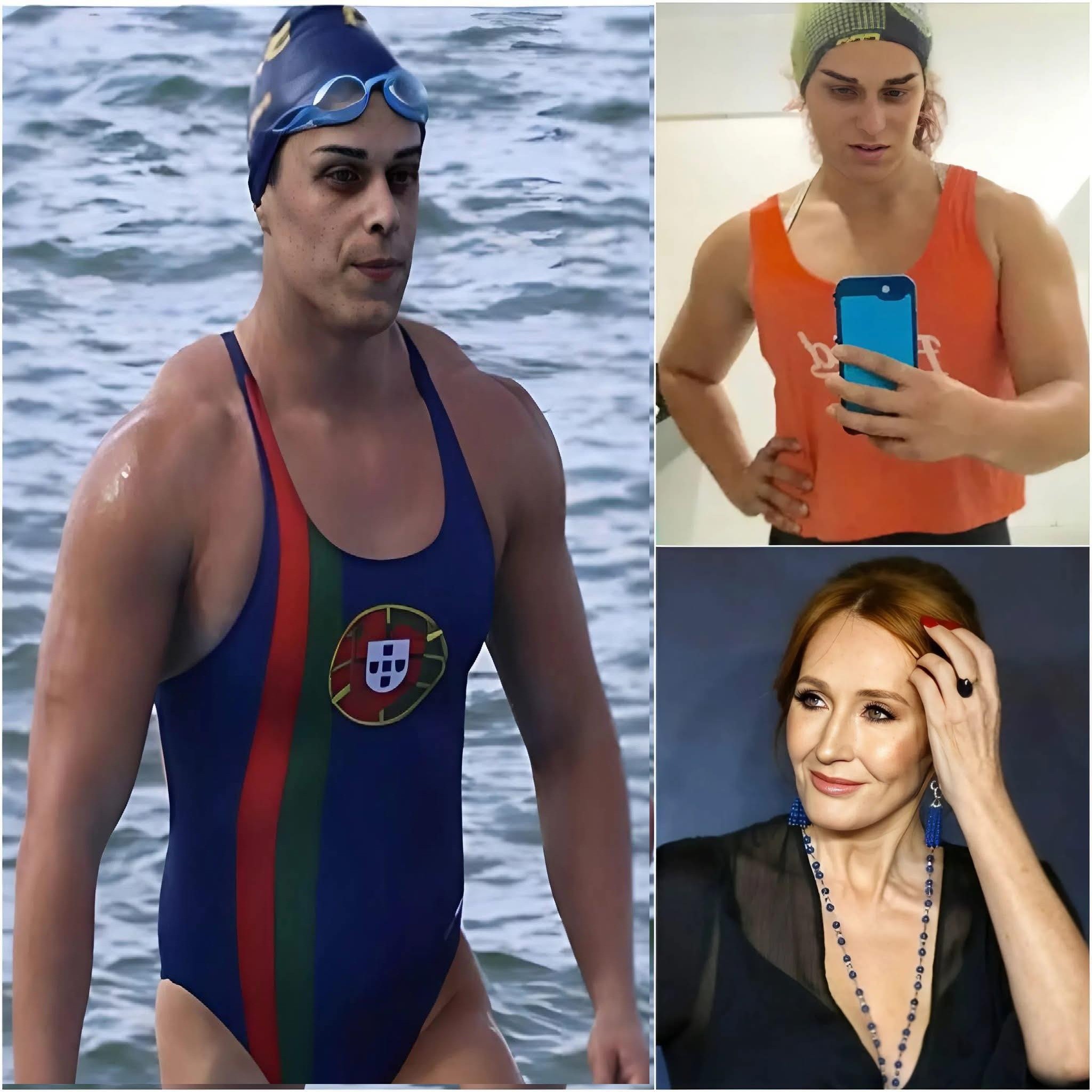
The World of Masters Swimming and the Hannah Caldas Ban: Implications and Debate
In October 2025, the international aquatic sports community experienced a profound moment of reckoning when World Aquatics (previously known as FINA) issued a five-year ban on transgender athlete Hannah Caldas. The ban, set to last until October 2030, not only removed Caldas from current competitions but also retroactively disqualified her results from June 2022 through October 2024. This included the stripping of prestigious records and titles, such as her gold medal in the women’s 100m freestyle at the 2024 World Aquatics Masters Championships in Doha. As discussions about inclusion, fairness, and eligibility in sports persist worldwide, this case serves as a critical reference point in the evolving landscape of sport governance and transgender athlete participation.

Background: Who is Hannah Caldas?
Hannah Caldas, a 48-year-old Portuguese-American swimmer, has a long and lauded history in masters swimming. Competing as a woman since 2009, Caldas became a key figure in the discussion around transgender participation in aquatic sports. Her sporting trajectory includes numerous national and international honors in masters categories. The abrupt reversal of her accolades and eligibility became a global talking point, reflecting broader debates about gender identity and competition integrity.
Understanding the World Aquatics Policy on Transgender Participation
World Aquatics implemented stringent gender eligibility policies in 2022, following precedents set by other international sports federations. According to the policy, transgender women are largely barred from competing in elite female categories unless they transitioned, both physically and hormonally, before the onset of puberty. The governing body argued that this rule aimed to ensure a level playing field, citing scientific concerns that post-pubertal testosterone exposure may yield physiological advantages in competitive swimming. The policy also details eligibility verification measures, such as mandatory chromosomal testing under specified disputes or objections.
Supporters of the policy argue that competitive integrity in women’s sports must be maintained, emphasizing biological differences and potential benefits conferred by male puberty—even after transitioning. Conversely, critics contend that such policies are exclusionary, overly intrusive, and may violate privacy rights, arguing for a more nuanced understanding of gender and athletic performance.
The Controversy: Events Leading Up to the Ban
Controversy around Hannah Caldas escalated in early 2025, following her dominant performance at the U.S. Masters Swimming Spring Nationals. Caldas won five key events in the 45–49 age category, attracting both praise and criticism. Some competitors and observers raised concerns about fairness, and prominent figures, including Texas Attorney General Ken Paxton, publicly questioned her participation. This scrutiny led to formal investigations into her eligibility.
Investigations and Conflicting Rulings
The initial response from U.S. Masters Swimming cleared Caldas, with officials citing documentation of both female gender assignment and lived identity. Their ruling was based on the organization’s policies, at the time, which prioritized gender identity along with certain medical documentation. Despite this clearance, World Aquatics pursued a stricter process in accordance with its 2022 policy. They requested further verification, specifically a chromosomal analysis, to establish eligibility beyond reasonable doubt. Caldas refused this test, citing personal and ethical concerns.
World Aquatics subsequently imposed the five-year ban, emphasizing that refusal to comply with eligibility verification protocols constitutes a violation. The disqualification of all her results dating back to 2022 retroactively altered the standings in multiple masters competitions and led to the removal of her name from record books for various events.
The Scientific Debate: Fairness in Competitive Swimming
The issue of transgender athlete participation at the highest levels of sport is widely debated among scientists, ethicists, and sports policy experts worldwide. Studies referenced by World Aquatics and like organizations tend to focus on physiological markers such as muscle mass, lung capacity, and bone density, which may be influenced by puberty and exposure to testosterone. Some research suggests that while hormone therapy can reduce many physical advantages, certain characteristics may persist. Critics of exclusionary policies argue that these differences are often overstated, citing variability in natural abilities and the multi-factorial nature of athletic success.
There is no scientific consensus on the precise impact of hormone therapy and the degree to which advantages may or may not carry over. Organizations such as the International Olympic Committee (IOC) have suggested policies balancing inclusion with competition fairness, granting more discretion to individual sports bodies.
Legal, Ethical and Human Rights Perspectives
The Caldas ban amplified ongoing discussions about the balance between respect for personal rights and the rationale for competitive fairness. Legal experts note that policies mandating chromosomal or hormonal testing can raise significant privacy concerns, especially in cases involving adults who have long identified and competed in a gender-aligned category.
Human rights organizations have advised that sports federations should create clear, respectful pathways for all athletes while protecting the integrity of competition. The ban on Caldas reignited calls for closer examination of how governing bodies handle gender identity and prompted discussions in legislative bodies, sports law symposiums, and advocacy circles worldwide.
Response from the Swimming Community
Reactions within the international swimming community have been deeply divided. Some athletes and coaches expressed support for World Aquatics, emphasizing the need for rules that protect fairness and preserve confidence in women’s sport. Others voiced concern about the exclusion of transgender athletes, warning that policies perceived as discriminatory could deter participation and undermine inclusion efforts.
Several prominent competitors and organizations issued statements advocating for dialogue and further research, suggesting the need for policies that recognize the unique context of each case while striving for transparency and due process. Community forums and swimmer associations in multiple countries have held open discussions to assess the impact of these policy changes on current and prospective athletes.
Broader Societal and International Reactions
The Hannah Caldas case has not only affected the masters swimming community but also inspired intense debate in broader circles, including sports policy, ethics, and national governance. In some jurisdictions, lawmakers have used similar cases to propose or review policies regulating transgender participation in sports at every level, prompting a reevaluation of existing frameworks in other sports such as cycling, athletics, and rugby.
International bodies like the United Nations Human Rights Office have underscored that policies must avoid discrimination and uphold the dignity of all athletes. Meanwhile, major medical organizations continue to urge sports officials to keep pace with evolving scientific knowledge and ensure that policy responses are proportionate, evidence-based, and respectful of human rights. The Caldas decision is now cited in policy documents, scholarly analysis, and activist campaigns worldwide as an example of the complex interplay between science, law, ethics, and athletic competition.
The Future of Eligibility and Gender Policy in Sports
The ban imposed on Hannah Caldas may set a precedent for how similar cases are handled by aquatic sport authorities and other international federations in the years ahead. It is likely that policy standards and scientific approaches will continue to evolve, shaped by ongoing research, judicial review, athlete experiences, and international discussion.
Experts agree that future changes should involve transparent processes, respect for personal privacy, robust peer-reviewed science, and meaningful involvement of affected communities. Some sporting bodies have begun exploring the idea of creating new categories or divisions to promote both fairness and inclusion, although such solutions remain under debate.
Conclusion
The World Aquatics ban of Hannah Caldas has become a touchstone in international sports dialogue, symbolizing the intense debate at the intersection of gender identity, science, law, and fairness in sport. The retroactive disqualification of her achievements has far-reaching implications, not just for the athlete or masters swimming but for the ongoing discussion about the future of equity and inclusion in athletic competition globally. As stakeholders continue to analyze, discuss, and refine the frameworks governing sport, the Caldas case will undoubtedly remain central to conversations about how best to achieve both fairness and respect for all participants.
Sources
- Reuters Sports
- BBC Sport
- The Guardian Sports
- Al Jazeera Sports
- World Health Organization (WHO)
- Centers for Disease Control and Prevention (CDC)
- U.S. Masters Swimming
- World Aquatics
Disclaimer: This content is intended for entertainment purposes only and is not based on real events.