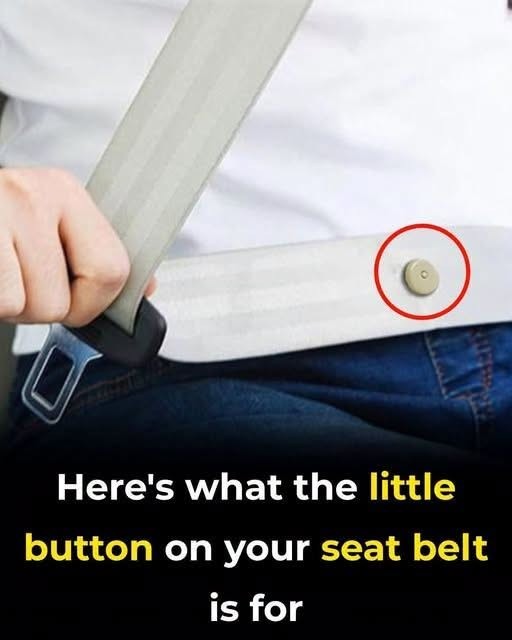
The Purpose of the Small Plastic Button on Seat Belts
Introduction: An Overlooked Feature in Everyday Safety
For most car owners, the seat belt is an essential safety component that is used every time they drive. While the main parts—such as the webbing, buckle, latch, and retractor—are widely known, a small plastic button on the seat belt webbing often goes unnoticed. Despite its modest size and seemingly simple design, this button plays a practical role in everyday convenience. Commonly referred to as the seat-belt stop button, retaining button, or seat-belt stop, it is a testament to the smallest details in automotive engineering that aim to enhance user experience.
Understanding the Basic Function of the Seat-Belt Stop Button
The seat-belt stop button is typically located on the webbing slightly below the buckle. Its primary function is straightforward: it keeps the buckle from sliding too far down the belt when it is not in use. When you unbuckle your seat belt and it retracts, the buckle would otherwise follow the path of least resistance and slip toward the lower anchor point, often making it less accessible the next time you need it. The stop button serves as a physical barrier, halting the buckle’s movement and keeping it within easy reach.
This feature not only saves you from having to fumble for the buckle but also streamlines the process of buckling up, making compliance with safety norms more likely. In this sense, the stop button stands as a prime example of thoughtful design improving everyday usability.
How the Stop Button Works
The mechanism of the stop button is rooted in its simplicity. As you unfasten your seat belt, a spring-loaded retractor pulls the webbing back toward its housing. The seat-belt buckle, which slides freely along the webbing, is halted by the stop button before it can travel too far. This ensures the buckle remains vertically positioned along the seat, ready for the occupant to access on their next use.
The stop button’s construction is usually a hard, molded piece of durable plastic that is either snapped or fitted onto the belt during assembly. Some designs use sewn-in stitches or other mechanical features instead, serving the same fundamental purpose.
Seat-Belt Components: Where Does the Stop Button Fit?
To understand the importance of the stop button, it helps to know how it fits into the broader seat-belt system. The core components of a seat-belt system include:
- Webbing: The flexible yet strong strap that encircles the occupant.
- Buckle and Latch: The mechanism that locks the belt in place and releases it when pressed.
- Retractor: A device that keeps the belt taut and retracts it when not in use.
- Anchors: Points where the belt attaches to the car’s structure.
- Pretensioners and Load Limiters (in newer models): Enhance protection by tightening the belt or managing force in a collision.
- Stop Button: Keeps the buckle in a user-friendly position when the belt is not engaged.
It is important to note that while the stop button enhances comfort and convenience, the main protective role in a crash is provided by the webbing, buckle, latch, anchors, and advanced safety features. The stop button is not a primary restraint component and should not be considered a substitute for any safety function.
Design Variations Across Vehicles
Automobile manufacturers employ a range of designs for seat-belt systems, and the approach to stopping the buckle varies accordingly. While many models use a plastic stop button, others may have the stop sewn directly into the webbing with reinforced stitching or employ alternative retention features. The precise design can differ between front and rear seats, among different vehicle makes, models, and production years.
This diversity in seat-belt engineering reflects ongoing innovation, user preferences, and evolving regulations. However, the underlying goal is consistent: to keep the seat-belt buckle accessible and ready for the user, minimizing inconvenience in daily operation without compromising safety.
Common Issues and Maintenance of Seat-Belt Stop Buttons
Because the stop button is made from plastic, it can be vulnerable to wear and tear over time. Some common issues include cracking, loosening, or detachment from the seat-belt webbing. When a stop button breaks or falls off, the buckle may slide to an inconvenient position, making it less accessible and potentially causing frustration.
Proper maintenance is crucial:
- Do not attempt unauthorized repairs. Avoid fixing the stop button with glue, tape, cable ties, or makeshift materials. These improvised solutions may not hold up under daily use or heat and could compromise the belt’s function.
- Seek professional repair or replacement. If the stop button is damaged or missing, consult your vehicle’s manufacturer, a certified dealership, or a qualified automotive technician for an approved replacement. Replacement parts are designed to fit specific models and ensure proper operation.
Routine inspection of seat belts, including the stop button, can help maintain the system’s convenience and safety. Cleaning the belt with a damp cloth and checking for any signs of wear ensures lasting usability.
Expert Insights: The Value of Thoughtful Engineering
Automotive safety experts regularly highlight the importance of ergonomic design in encouraging the consistent use of seat belts. While the restraint system’s primary components protect against injury in collisions, small features like the stop button increase compliance and ease of use, which are critical to the system’s effectiveness.
According to the U.S. National Highway Traffic Safety Administration (NHTSA), seat-belt use reduces the risk of death for front-seat occupants by 45% and the risk of serious injury by 50%. By making the buckling process smoother and more intuitive, features like the stop button contribute to higher wear rates and, ultimately, improved road safety outcomes.
Human-factors engineers emphasize that even minor design decisions can have substantial effects on user habits and safety. The stop button exemplifies this by demonstrating how small, often unnoticed innovations can promote safer, more convenient behaviors.
International Safety Standards and the Evolution of Seat Belts
Seat belts have been a fixture in vehicles since the mid-20th century and have evolved with advancing technology and stricter safety mandates worldwide. Regulatory agencies, such as the NHTSA, the European New Car Assessment Programme (Euro NCAP), and similar bodies in Asia and other regions, set standards not just for primary restraint mechanisms but also for usability features that promote regular use.
Many modern vehicles include advanced seat-belt features such as:
- Height-adjustable anchors for comfort
- Pre-tensioners and load limiters for enhanced protection
- Alerts and reminders to buckle up
- Retractable designs for stowing seat belts when not in use
Within these systems, the stop button remains a simple yet enduring element. It persists across generations of vehicles because it directly addresses a basic user need: ease of access. This highlights the universal recognition within the global automotive industry of the value of intuitive, user-centered design.
Distinguishing the Stop Button from the Release Button
Drivers should not confuse the small plastic stop button with the larger release button on the buckle. The release button, generally colored red for visibility, is the mechanism you press to disengage the belt after use. Its function is central to the locking and quick-release operation mandated by safety standards worldwide. In contrast, the stop button has no impact on the locking system; its role is solely to ensure the buckle stays within convenient reach for the next use.
Societal Impact: Big Benefits from Small Details
Though the stop button may seem trivial, its presence can influence daily routines and safety outcomes. By reducing the frustration of searching for a retracted buckle, drivers and passengers are more likely to buckle up without delay. This has a cumulative effect at the societal level, contributing to higher rates of seat-belt use, which remains one of the single most effective measures in reducing automotive injuries and fatalities.
Insurance industry studies support this, showing that cars equipped with user-friendly features—including well-placed seat-belt stop buttons—see higher rates of consistent seat-belt usage among occupants. This reduces both the frequency and severity of injuries in crashes, underscoring the value of even minor design improvements.
Conclusion: Appreciating Thoughtful Engineering in Safety Features
The small plastic button near your seat-belt buckle is a reminder that effective engineering is often found in the details. While not a direct safety device, the stop button ensures that buckling up is always a convenient, user-friendly action. By understanding and maintaining this feature, drivers can enjoy a smoother ride and contribute to a safer road environment.
The next time you enter your vehicle, take a moment to appreciate this modest but meaningful innovation. In the broader context of automotive safety, thoughtful details like the seat-belt stop button can make a world of difference, shaping habits and improving outcomes for millions of drivers worldwide.
Sources
- National Highway Traffic Safety Administration (NHTSA)
- European New Car Assessment Programme (Euro NCAP)
- Reuters
- BBC
- The Guardian
Disclaimer: This content is intended for entertainment purposes only and is not based on real events.