How Nutrition Supports Nail Health After Forty
Understanding Changes in Nail Health After Forty
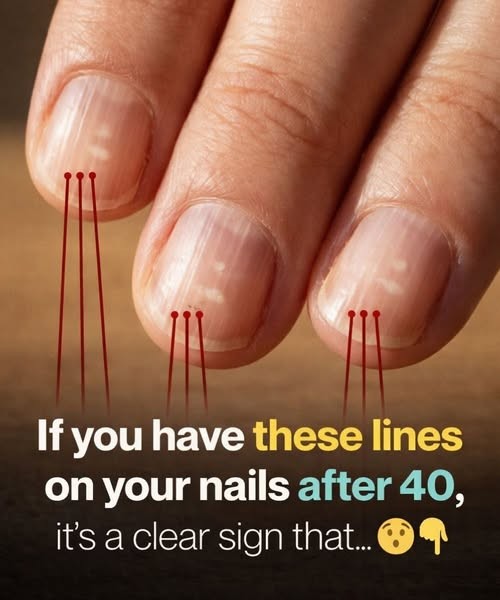
As individuals transition into their forties, the body undergoes a series of subtle yet significant physiological changes. One of the often-overlooked indicators of these changes is nail health. Many people notice that their nails begin to grow more slowly, develop longitudinal ridges, or become more susceptible to thinning and splitting. These changes reflect underlying shifts within the body, such as slower cell renewal, hormonal fluctuations, reduced peripheral circulation, and decreased nutrient absorption. In this context, nails serve as a visible barometer for internal well-being and overall health, making nutritional support especially important for maintaining nail strength and resilience during this stage of life.
The Biological Underpinnings of Nail Changes
Nails are complex structures primarily composed of keratin, a robust protein that provides strength and protection. As we age, the body’s ability to synthesize protein diminishes. This, in turn, slows down the production of new, healthy keratin cells in the nail matrix—the growth center located beneath the cuticle at the base of the nail. In addition, age-related hormonal changes, such as reduced estrogen or testosterone, can further influence the speed of nail growth and the quality of keratin production.
Circulatory changes also play a role. With aging, blood flow to the extremities may decrease due to the natural loss of vascular elasticity or declining cardiovascular efficiency. Since the nail matrix relies on a steady supply of oxygen and nutrients delivered by blood, reduced circulation can compromise nail growth and overall health. Likewise, a slow but steady reduction in nutrient absorption from the digestive tract—common with advancing age—may result in deficiencies in key vitamins and minerals that are essential for nail maintenance.
The Key Role of Nutrition in Nail Strength and Growth
Given that nails are closely tied to internal health, dietary choices after forty become critically important. By focusing on foods and nutrients that directly contribute to nail strength, individuals can support gradual improvements in nail appearance and durability.
Protein: The Foundation of Nail Structure
Keratin, the main component of nails, is synthesized from amino acids found in dietary proteins. As protein synthesis slows down with age, an insufficient intake of high-quality protein can lead to brittle, weak, or slow-growing nails. Nutritionists recommend a diet that emphasizes complete protein sources to support ongoing keratin production. Eggs, fish, poultry, dairy products, beans, and lentils are excellent choices, offering a broad array of amino acids that promote healthy nail growth.
Studies have shown that older adults who maintain adequate protein consumption tend to have firmer, thicker nails with reduced susceptibility to splitting. Conversely, diets lacking in protein are linked with thinning, fragility, and the development of fine ridges or grooves.
Biotin: A Critical B Vitamin for Nail Strength
Biotin, or vitamin B7, is closely associated with nail health. This water-soluble vitamin aids in the metabolism of amino acids and plays a pivotal role in cellular growth. Research suggests that biotin supplementation can improve brittle nails, especially when dietary intake or absorption declines with age.
Foods naturally rich in biotin—such as egg yolks, seeds, nuts, oats, mushrooms, and sweet potatoes—contribute to the reinforcement of keratin at the molecular level. Several clinical trials have found that daily biotin intake may improve nail thickness and reduce splitting in adults, highlighting the need for biotin-focused food choices, particularly after forty.
Iron: Ensuring Oxygen Delivery for Nail Formation
Iron is necessary for enabling red blood cells to transport oxygen throughout the body, including to the nail matrix. Insufficient iron levels—often seen in older adults due to dietary insufficiency, decreased absorption, or underlying medical conditions—can result in pale, thin, or fragile nails. Sometimes, iron deficiency leads to spoon-shaped nails, a condition known as koilonychia.
Including iron-rich foods in the daily diet, such as spinach, kale, lentils, beans, seeds, and moderate amounts of lean red meat, can help guard against deficiency. Consuming these foods alongside vitamin C sources like citrus fruits, bell peppers, or tomatoes increases iron absorption. Nutrition experts often suggest routine checks of iron status in adults over forty to support both general wellness and nail integrity.
Healthy Fats: Supporting Nail Flexibility and Moisture
Essential fatty acids, particularly omega-3s, are fundamental to maintaining the flexibility, sheen, and moisture of nails. Inadequate intake of healthy fats results in dry, brittle, or peeling nails. Fatty fish (such as salmon, mackerel, and sardines), flaxseeds, chia seeds, walnuts, and plant oils (like canola and olive oil) are rich in omega-3s and should be featured regularly in meals for optimal nail support.
Dr. Susan Taylor, a dermatologist at Penn Medicine, notes that healthy fats also indirectly benefit nails by promoting skin barrier function around the nail bed, further reducing risks of cracking and inflammation.
Hydration and Micronutrients: Completing the Picture
Hydration is sometimes overlooked, but a well-hydrated body ensures nails remain flexible and less likely to split. Drinking ample water throughout the day directly supports the production of healthy nail cells.
In addition, several micronutrients play minor yet essential roles. Zinc assists in repair and renewal processes. Vitamin E, an antioxidant, supports blood circulation and protects nail cells from oxidative damage. Magnesium helps in protein synthesis and enzyme function, both necessary for ongoing nail growth.
Fruits and vegetables rich in antioxidants promote overall nail health, while dairy products supply both calcium and protein. Together, these nutrients and hydration strategies form the foundation of a balanced approach to maintaining nail strength after forty.
Practical Strategies for Promoting Nail Health
To maximize the benefits of nutrition for nail health in later adulthood, healthcare professionals advise several practical steps:
- Adopt a varied, nutrient-rich diet: Combine lean proteins, whole grains, fruits, vegetables, seeds, and healthy fats at every meal.
- Limit highly processed foods: Refined sugars and flours can derail nutrient absorption and support, potentially worsening nail fragility.
- Monitor for nutritional deficiencies: Regular medical checkups, blood tests, or consultations with a doctor or registered dietitian help identify emerging gaps—especially for iron, vitamin B12, or vitamin D.
- Stay hydrated: Make water a central part of daily routines and consider hydrating foods like cucumbers, melons, and soups.
- Protect nails from external damage: Keep nails trimmed, avoid harsh detergents or overuse of nail polish removers, and use gloves when cleaning or gardening.
- Address underlying medical issues: Chronic conditions like thyroid disorders or gastrointestinal diseases can impact nail health and should be managed in consultation with healthcare providers.
Expert Perspectives on Nail Health in Aging
Medical experts and nutrition researchers agree that nails are reliable indicators of nutritional status, particularly in older adults. According to the American Academy of Dermatology, healthy nails are uniformly colored, firm, and flexible, while chronic problems may signal nutritional gaps or health disorders.
Dr. Amy Kassouf, a dermatologist at the Cleveland Clinic, emphasizes the importance of a balanced diet over quick fixes: “Supplements can sometimes be helpful, but nothing replaces a well-rounded, nutrient-dense eating pattern for sustaining long-term nail health, especially as we age.”
Global nutrition organizations, such as the World Health Organization (WHO), reinforce the value of a diverse diet, high in plant-based foods and lean proteins, for both general health and the specific needs of the aging population.
The Societal and International View on Nutrition and Aging
Societies across the globe are experiencing significant demographic shifts, with older adults comprising a larger proportion of the population each year. As longevity increases, maintaining daily functions—including nail health—takes on added importance for independence and quality of life.
International health initiatives, such as those guided by the WHO and the Centers for Disease Control and Prevention (CDC), increasingly focus on nutritional education as part of healthy aging campaigns. By supporting awareness of age-related changes and promoting lifelong healthy eating habits, these organizations aim to prevent nutrient deficiencies that can impact skin, nail, and hair health.
Conclusion: The Lasting Impact of Good Nutrition on Nail Health After Forty
Strong, resilient nails are not only a reflection of careful grooming but are fundamentally rooted in internal balance and proper nutrition. After forty, it becomes more important than ever to ensure consistent intake of high-quality proteins, biotin, iron, healthy fats, micronutrients, and sufficient water. By embracing a wide-ranging and nutrient-dense dietary pattern, adults can support nail health amidst the inevitable changes brought on by aging.
While dietary interventions form the bedrock of nail care, they are most effective when combined with healthy lifestyle practices and routine medical oversight. In this way, nail health can serve as both a goal and a barometer of overall wellness, underscoring the importance of nutrition at every stage of life.
Sources
- World Health Organization (WHO)
- Centers for Disease Control and Prevention (CDC)
- Mayo Clinic
- Reuters
- BBC Health
- American Academy of Dermatology
- Cleveland Clinic
Disclaimer: This content is intended for entertainment purposes only and is not based on real events.