The South Surprise: What to Do If a Copperhead Ends Your Turkey Hunt
Introduction: Unexpected Dangers in the Outdoors
For many turkey hunters, a day spent in the wild is a treasured tradition and an immersive experience in nature. However, the serene environment is not without its hazards. One of the most unpredictable threats is the copperhead snake, a species known for its stealth and sudden attacks. Often, the bite occurs before any fear sets in—a hunter scans the leafy ground for movement, but within seconds, pain flares in their leg, and a copperhead glides away. Rapidly, adrenaline and instinct overwhelm rational thought, urging action that may not be safe. Understanding how to respond in these critical moments is essential for anyone who spends time in snake-inhabited regions.
Copperhead Snakes: Characteristics and Habitat
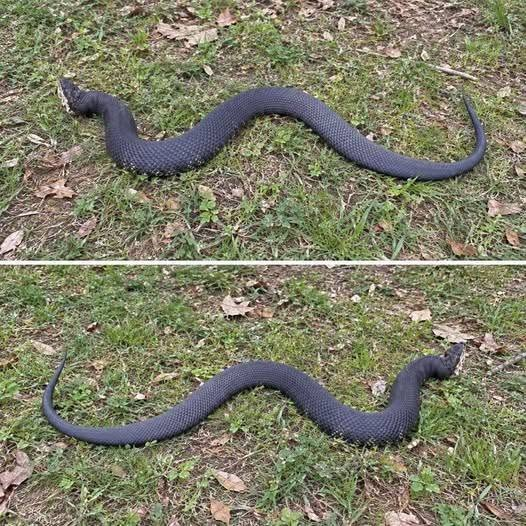
Copperhead snakes (Agkistrodon contortrix) are native to the eastern and southern United States and are among the most common venomous snakes encountered by hunters and hikers. Their distinctive copper-colored heads and hourglass pattern conceal them effectively among fallen leaves and forest debris. Copperheads thrive in mixed woodlands, rocky fields, and near streams—precisely the kinds of environments frequented by turkey hunters. Because copperheads often rely on camouflage rather than retreat, they are less likely to flee when approached, increasing the risk of accidental bites.
The Bite: Symptoms and Immediate Reaction
The moment of a copperhead bite is usually sudden and unexpected. The initial symptoms commonly include intense pain, swelling, and redness at the site. Within minutes, the affected person may feel a burning sensation or notice tingling. Unlike bites from some other venomous snakes, copperhead bites rarely cause severe systemic symptoms, such as difficulty breathing or shock. Nonetheless, they must be treated as medical emergencies.
Experts, including the Centers for Disease Control and Prevention (CDC), advise that remaining calm is paramount. Panic can accelerate heart rate and circulation, spreading the venom more rapidly through the bloodstream. Instead, it is critical to minimize movement, keep the bitten limb immobilized, and call for medical help immediately.
First Aid Recommendations for Copperhead Bites
First aid actions have evolved over time, guided by scientific evidence and best practices. The following steps are recommended after a copperhead bite:
- Stay calm: Control anxiety and avoid unnecessary movement.
- Preserve mobility: Keep the bite site at or below the level of the heart to slow venom spread.
- Remove constricting items: Rings, watches, or tight clothing should be removed from the area as swelling is likely.
- Clean, but do not wash deeply: Gently clean with soap and water; avoid scrubbing or applying ice.
- Call for help: Seek medical attention urgently, as antivenom may be needed.
- Avoid tourniquets and incision: Do not try to cut or suck out the venom. Tourniquets can worsen tissue damage and are not effective.
- Record symptoms: Note the time of bite, nature of symptoms, and keep track of changes, which can assist medical providers.
According to the Mayo Clinic and CDC, these steps reflect the most up-to-date guidance for snakebite response in the United States. Application of outdated remedies—such as sucking out venom, using ice, or applying pressure bandages—is discouraged due to evidence of harm.
Medical Treatment and Recovery
Once at a healthcare facility, medical staff will assess the severity of the bite. Not all copperhead bites require antivenom; in mild cases, supportive care may suffice. In more severe instances—where swelling spreads or systemic symptoms appear—antivenom can reduce tissue damage and speed recovery. Doctors also monitor for infection, which can complicate recovery, and may prescribe antibiotics or pain management medications as appropriate.
Recovery times vary. While the pain may subside within days, swelling and bruising may persist for weeks. With prompt treatment, most copperhead bites result in full recovery and rarely cause permanent disability. Still, patients are advised to follow their physician’s guidance and attend follow-up appointments.
Copperhead Encounters: Prevention and Awareness
Preventing bites is always preferable. Hunters and hikers can reduce their risk by adopting a few simple precautions:
- Wear protective boots and thick clothing: Cover exposed skin, especially on the lower legs.
- Watch your step: Scan the ground ahead for movement or unusual patterns, especially in leaf litter or near rocks.
- Carry a flashlight: Use extra lighting during dawn or dusk, as snakes are more active then.
- Do not reach blindly: Avoid sticking hands or feet into areas you cannot see.
- Educate yourself and companions: Know how to identify venomous snakes and share safety guidance with your hunting or hiking party.
According to the CDC, most bites occur when snakes are inadvertently stepped on. Increased awareness and caution can significantly reduce risk, especially in high-density areas.
The Role of Copperheads in the Ecosystem
An analytical perspective on copperhead snakes reveals a complex relationship between humans and wildlife. Copperheads play a crucial role in controlling rodent populations and maintaining ecological balance. Their presence indicates a healthy environment, and they generally avoid human contact unless threatened. Conservationists encourage respect for these creatures while advising caution to prevent negative encounters.
Some experts, such as those at The Guardian and National Geographic, note that copperheads are less aggressive compared to other North American pit vipers, like rattlesnakes. Most bites are defensive in nature, not predatory. Educating the public about the importance of snakes, along with proper safety measures, fosters coexistence rather than conflict.
Societal and International Perspectives on Snakebite Management
Globally, snakebite management continues to advance, informed by research from organizations such as the World Health Organization (WHO) and the CDC. In the United States, the low mortality rate from copperhead bites reflects the accessibility of modern healthcare and antivenom therapy. In other parts of the world, snakebite remains a major public health concern, with greater challenges in access to treatment and education.
Recent studies published by reputable outlets emphasize the importance of standardized first aid, rapid transport to medical facilities, and public awareness campaigns. As outdoor activities gain popularity, educational outreach is essential to mitigate risks and ensure safety in snake-prone areas.
Expert Views and Community Response
Snakebite experts, such as those interviewed by BBC and Al Jazeera, underscore the importance of preparedness. Many advocate for hunters to carry emergency signaling equipment and to hunt in pairs whenever possible. Local hunting organizations increasingly provide training on snakebite prevention and emergency response to their members. Community efforts, including mobile apps for identifying snakes and tracking locations of recent sightings, further enhance safety for outdoor enthusiasts.
The societal reaction to snakebite incidents is often one of heightened caution. Hunters in the southern United States have shared stories of close calls and quick reactions, cementing an ongoing commitment to safety. The dialogue between outdoor recreation and wildlife conservation continues, with mutual respect as a guiding principle.
Conclusion: Staying Safe While Enjoying Nature
The sudden bite of a copperhead during a turkey hunt can be startling and painful. Yet, with proper knowledge and swift, calm action, most bites are survivable and rarely life-threatening. First aid guidance based on scientific evidence ensures the best possible outcome, and ongoing public education remains the cornerstone of prevention.
By equipping yourself with practical safety measures and recognizing the vital role snakes play in the ecosystem, you can enjoy the hunt with greater confidence and awareness. Ultimately, nature’s surprises demand respect and preparation—the best defense against the South’s copperhead bite.
Sources
- Centers for Disease Control and Prevention (CDC)
- Mayo Clinic
- World Health Organization (WHO)
- BBC
- Reuters
- The Guardian
- National Geographic
Disclaimer: This content is intended for entertainment purposes only and is not based on real events.