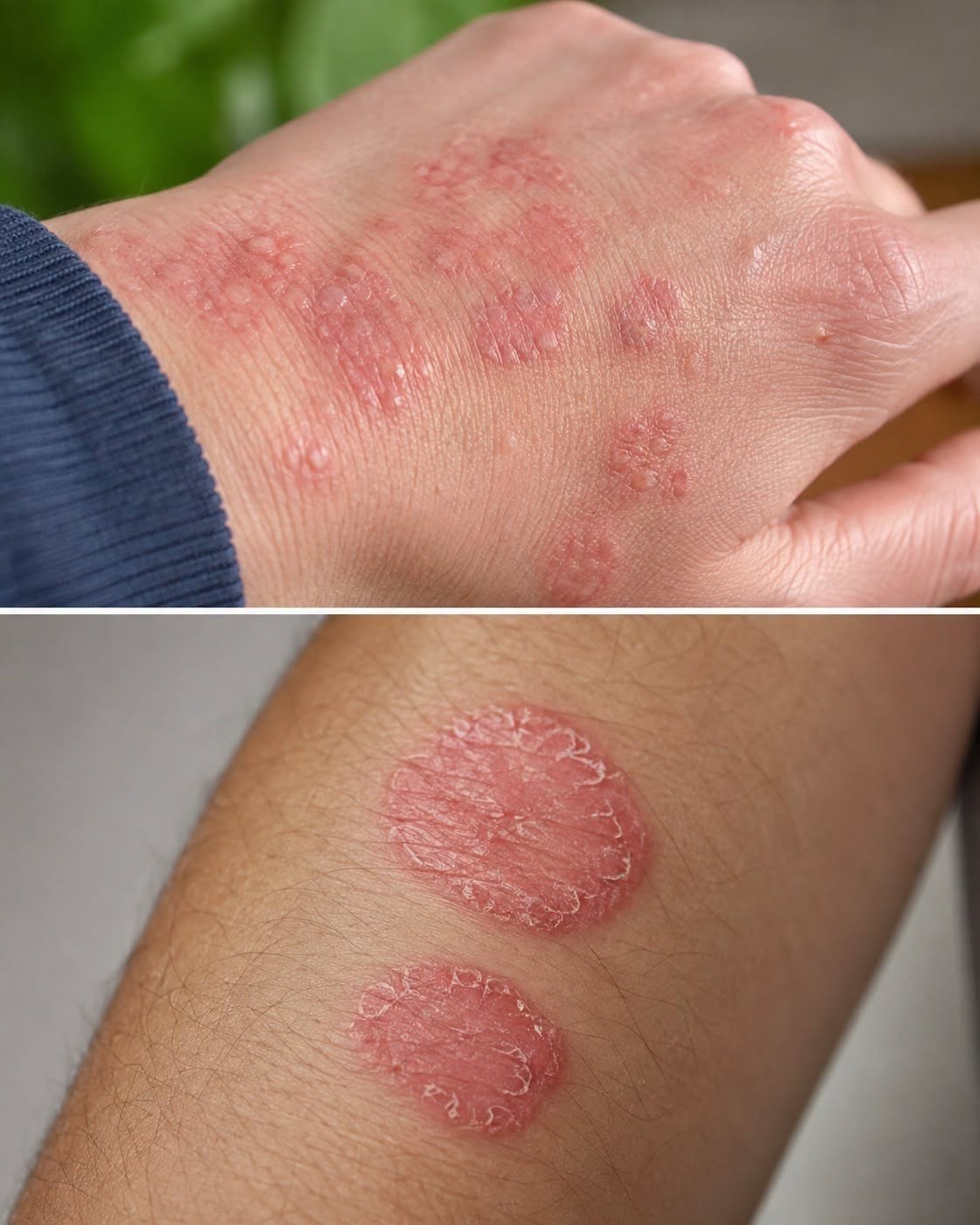
Skin That Stings, Burns, or Itches in Your Groin: Recognizing Causes, Symptoms, and Solutions
Experiencing stinging, burning, or itching sensations in the groin can be alarming and uncomfortable. For many individuals, such symptoms raise concerns about potential infections or serious health issues. However, it is important to know that groin irritation is a common occurrence, often with identifiable causes and effective treatments. This article provides an in-depth exploration of groin skin irritation, discussing its potential causes, symptoms, prevention strategies, and advice from medical experts. It also offers guidance on when to consult a healthcare professional, ensuring that you can make informed choices about your health without unnecessary anxiety.
Understanding Groin Skin Irritation: Overview and Anatomy
The groin refers to the area between the abdomen and thigh on either side of the body, including the genitals and upper inner thigh. The skin in this region is particularly sensitive due to warmth, moisture, and friction from skin-to-skin contact or clothing. These factors create an environment where irritation and certain infections can easily develop. While discomfort in this area can be distressing, most causes are not life-threatening and are treatable with proper care.
Common Symptoms of Groin Skin Irritation
Skin irritation in the groin may manifest in various forms, including:
- Itching, burning, or stinging sensations
- Redness or inflammation
- Red spots, bumps, or rash
- Dry, cracked, or peeling skin
- An unpleasant odor (in some cases)
- Pain or discomfort, especially when sitting or moving
- Oozing, blisters, or sores (with some infections)
It is essential to note the duration and progression of symptoms, as this information helps healthcare providers diagnose the underlying cause effectively.
Potential Causes of Groin Skin Irritation
There are several possible reasons for irritation in the groin area. These range from mild, temporary issues to more persistent or infectious causes. The most common include:
1. Friction and Chafing
Friction from tight clothing, prolonged exercise, or skin-to-skin contact can damage the protective barrier of groin skin. This chafing often leads to redness, soreness, and a burning sensation. Athletes, people with obesity, and those living in humid climates are particularly prone to this issue.
2. Allergic Reactions and Irritant Contact Dermatitis
The skin in the groin can react to laundry detergents, soaps, body washes, sanitary products, or fabrics such as synthetic underwear. Symptoms develop when the skin’s barrier is disrupted by repeated exposure to irritants or allergens, resulting in swelling, itching, and rashes.
3. Fungal Infections (Jock Itch)
Jock itch (tinea cruris) is a common fungal infection affecting the groin. Caused by dermatophyte fungi that thrive in warm, moist areas, it presents as red, itchy, ring-shaped rashes and scaling. It occurs more frequently in men, athletes, and people living in hot, humid conditions. Sharing towels, clothing, or sporting equipment can contribute to spread.
4. Bacterial Infections
Bacteria can invade the groin area through tiny skin cracks or hair follicles, especially after shaving. Conditions such as folliculitis or impetigo can cause red, painful bumps, sometimes filled with pus. Good hygiene and avoiding shared personal items help reduce risk.
5. Yeast Infections (Candidiasis)
Yeast (Candida) overgrowth can sometimes cause groin irritation, particularly in women, but men are not exempt. Symptoms include redness, itching, and a white, cottage cheese-like discharge in severe cases. Risk factors include antibiotics, diabetes, or immune suppression.
6. Sexually Transmitted Infections (STIs)
Some sexually transmitted infections, including herpes simplex, gonorrhea, chlamydia, or pubic lice, may cause groin irritation, blisters, or ulcers. These often require specific medical evaluation and treatment. Safe sexual practices can help reduce the risk of STI-related symptoms.
7. Heat Rash (Miliaria)
When sweat ducts become blocked in hot weather, small, itchy red bumps known as heat rash can develop in the groin and other body folds. This is typically benign but uncomfortable, resolving when the skin is cooled and kept dry.
Diagnosing the Underlying Cause
While mild irritation often resolves with basic care, persistent or worsening symptoms may indicate an underlying medical issue. Diagnosis involves a thorough skin examination, medical history review, and, where needed, laboratory tests (like skin swabs or cultures). Dermatologists or primary care physicians are best equipped to identify specific conditions and recommend appropriate therapy.
Treatment Options for Groin Skin Irritation
Treatment depends on the cause and severity of symptoms. General recommendations include:
- Maintaining good groin hygiene—wash the area gently with mild soap and water, patting dry completely.
- Wearing loose, breathable cotton underwear to minimize moisture and friction.
- Avoiding irritants such as perfumed hygiene products, powders, or harsh detergents.
- Applying over-the-counter antifungal creams for jock itch or yeast infections (as advised by a pharmacist or doctor).
- Using non-prescription hydrocortisone creams for mild allergic or contact dermatitis—short-term use only.
- Seeking prescription medications (such as antibiotics or antiviral drugs) when infection is diagnosed.
- Refraining from scratching the irritated area, which can worsen inflammation and increase infection risks.
Preventing Groin Irritation
Prevention strategies focus on minimizing friction, moisture, and exposure to irritants:
- Change out of sweaty clothes or undergarments promptly after exercise.
- Keep the groin clean and dry, using a soft towel after showering or swimming.
- Opt for gentle, fragrance-free products for skin care and laundry.
- Trim, rather than shave, pubic hair to reduce folliculitis risk.
- Practice safe sex and regular STI screening with new or multiple partners.
When to Seek Medical Help
Although most cases of groin irritation are not serious, certain signs warrant prompt medical evaluation. Consult a healthcare professional if you experience:
- Symptoms that persist for more than one to two weeks with home treatment
- Increasing pain, swelling, or warmth (which might signal infection)
- Blisters, open sores, or ulcers
- Fever, chills, or swollen lymph nodes
- Unusual discharge, odor, or bleeding
- Rash that spreads rapidly or is accompanied by other systemic symptoms
Early treatment is important for preventing complications and ensuring effective management of underlying infections or skin disorders.
Expert Perspectives on Groin Skin Care
Dermatologists and infectious disease specialists emphasize the importance of not ignoring groin skin changes, even if symptoms seem minor at first. According to the American Academy of Dermatology, simple lifestyle adjustments and prompt attention to hygiene can resolve most mild irritations. However, recurring or severe rashes require a healthcare provider’s guidance, both for symptom relief and for ruling out more serious conditions.
World Health Organization guidance also highlights the value of sexual health literacy and regular checkups as part of overall genital wellness.
Social and Emotional Impact
Groin irritation can cause embarrassment, anxiety, and disruption of daily life. Open communication with healthcare providers is essential, as stigma or delayed care can worsen outcomes. Remember that millions of people experience groin skin symptoms every year, and support is available in the form of educational resources, compassionate practitioners, and evidence-based treatments. If you need emotional support, consider talking with a counselor or joining an online community focused on skin health topics.
Conclusion
Skin irritation in the groin, while often uncomfortable, is common and typically manageable with proper understanding and evidence-based care. Most causes are benign, but persistent or severe symptoms should not be ignored. By recognizing warning signs, adopting preventive habits, and seeking timely medical assistance, you can maintain both your comfort and overall wellbeing.
Sources
- Mayo Clinic – Jock Itch
- CDC – Fungal Diseases: Ringworm (including Jock Itch)
- World Health Organization – Sexually transmitted infections
- American Academy of Dermatology – Athlete’s Foot and Related Fungal Infections
- NHS UK – Rashes
Disclaimer: This content is intended for entertainment purposes only and is not based on real events.