The Night I Changed the Locks: Navigating Family, Loss, and Financial Hardship
Introduction
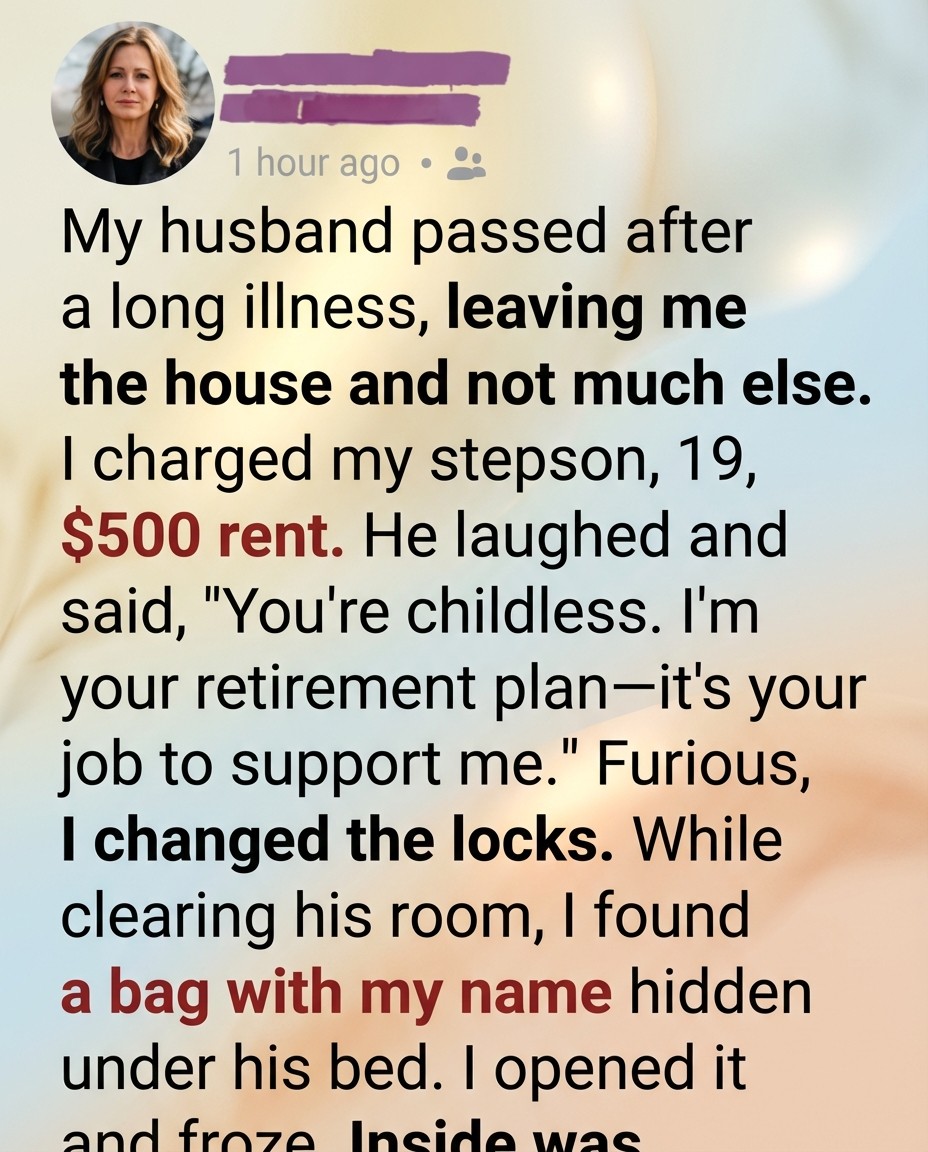
The night I decided to change the locks on my house was a turning point. Grieving the loss of my husband, I found myself alone and facing mounting bills. The only other inhabitant, my adult stepson, seemed unconcerned by my distress, even laughing off my request for help. In that moment, an overwhelming combination of heartbreak and rage pushed me to take decisive action.
Understanding Grief and Financial Strain After Loss
Losing a spouse is one of life’s most profound upheavals, impacting emotional well-being, family dynamics, and financial stability. According to the Mayo Clinic, bereavement often leads to intense feelings of sadness, anxiety, confusion, and alienation. For many, grieving is compounded by the practical realities of bills and debts that do not pause for personal tragedy. The death of a partner typically triggers a reassessment of household finances and living arrangements, often exposing vulnerabilities that may not have been apparent before.
Blended Families: Navigating Complex Relationships
Blended families—those formed through remarriages, stepchildren, and stepparents—face unique challenges, especially during times of crisis. The role of a stepparent is often ambiguous, shaped by years of negotiation, trust-building, and cultural expectations. Research from the American Psychological Association highlights that stepparents and stepchildren may struggle to establish supportive relationships, particularly when communication is strained or when personality differences come to the fore.
When a major loss occurs, these relationships are tested. Grief affects each family member differently, sometimes creating emotional distance or misunderstandings. In the case presented here, the bereaved spouse found herself needing support, both practical and emotional, from her stepson at a moment when they were both grieving the death of his father but experiencing it in their own ways.
The Decision to Ask for Rent: Context and Consequences
Requesting a contribution for household expenses from a family member is never easy. In financially secure families, the issue may rarely arise. But for many, the loss of an income earner means rent, utility bills, and food costs quickly become overwhelming. According to a study published in the Journal of Marriage and Family, financial pressures are a leading source of conflict in blended families, making clear communication and mutual understanding critical for maintaining harmony.
For the bereaved spouse, asking her stepson to pay rent was motivated by necessity. The request, however, triggered a negative reaction—her stepson laughed it off, failing to recognize the seriousness of her situation. This response, perceived as disrespect or indifference, intensified feelings of abandonment and hurt. When attempts at dialogue break down, many people resort to drastic measures to protect themselves—such as changing the locks.
The Turning Point: Acts of Self-Protection in Vulnerable Times
Taking steps to secure oneself—whether physically, emotionally, or financially—can be a rational response to vulnerability. For many, changing locks is a symbolic act of regaining control after periods of chaos. Experts at the National Alliance on Mental Illness (NAMI) suggest that such decisions are often part of establishing boundaries, a crucial process for restoring self-esteem and safety after trauma.
Still, boundary-setting is fraught with uncertainty, especially in blended families where the history of relationships can be complex. Some family counselors caution against impulsive actions, recommending open communication, mediation, or family therapy whenever possible. Yet, when dialogue has failed and the risk to one’s well-being is perceived as high, immediate actions may feel justified.
What Was Later Discovered: Uncovering Hidden Truths
The story does not end with a locked door. Often, acts taken in desperation lead to revelations that reshape one’s understanding of an entire situation. In many families, secrets, misunderstandings, or stories untold come to light after a major upheaval. Sometimes, learning the full truth brings both pain and catharsis, prompting reflection about past decisions and future relationships. Such discoveries can lead to reconciliation, empathy, or a renewed sense of purpose, though this process may take months or years.
Expert Perspectives on Grief, Family, and Financial Stress
Psychologists and grief counselors emphasize that everyone processes loss differently. According to the WHO, healthy grieving involves seeking support, expressing emotions, and maintaining connections with others. For families, it is important to respect differences in coping styles, even when misunderstandings arise.
Financial burdens are another widespread challenge. The CDC recommends seeking community resources, financial counseling, or legal advice to navigate debts and bills in the wake of a spouse’s death. Support groups, both local and online, can offer guidance and validation from others experiencing similar losses.
Societal Reactions and International Context
Culturally, approaches to grieving and family responsibilities after a death vary. In some communities, it is expected that adult children contribute financially to household expenses when a parent passes away; in others, the bereaved are supported by extended family or community resources. A report from BBC Worldwide details how societies in Europe, Asia, and North America each have their own norms for familial support, inheritance, and cohabitation after bereavement.
Globally, the COVID-19 pandemic highlighted how sudden loss brings forth urgent financial needs, especially for widows and stepfamilies. Many governments responded by providing emergency assistance or legal protections to those at risk of eviction or poverty. The United Nations has called for increased support for bereaved families, especially those navigating complex blended relationships.
Strategies for Coping and Moving Forward
Experts recommend several strategies for coping with grief and financial stress after losing a loved one:
- Seeking professional counseling for grief, trauma, or depression.
- Communicating openly with family members about household needs and emotional boundaries.
- Consulting with financial planners or legal advisors to assess debts, assets, and options for support.
- Utilizing community services and support groups for widows, stepfamilies, and those in financial distress.
- Practicing self-care, including regular exercise, social engagement, and healthy routines.
While every family’s journey through loss is unique, experts agree that compassion, patience, and resilience ease the transition and promote healing.
Conclusion
The night the locks were changed marked a decisive moment shaped by grief, fear, and a need for self-protection. In the aftermath of loss, the interplay between emotional pain and financial pressure can strain even the strongest family bonds. Blended families, in particular, face unique obstacles as they navigate what it means to support one another in times of crisis. Despite the anguish, such moments offer opportunities for learning, growth, and eventual healing. By seeking understanding, engaging with experts and community support, and embracing healthy boundaries, individuals can find a path forward after heartbreak and hardship.
Sources
- BBC
- Reuters
- Al Jazeera
- The Guardian
- World Health Organization (WHO)
- Centers for Disease Control and Prevention (CDC)
- Mayo Clinic
Disclaimer: This content is intended for entertainment purposes only and is not based on real events.