When a Tick Goes Unnoticed: The Hidden Risks and Reality of Hair-Borne Parasites
Introduction
Ticks are among the most common yet underestimated external parasites affecting humans and animals alike. The experience of discovering a tick tangled in human hair is unsettling, often an unexpected confrontation with nature’s silent intruders. This article explores the biological, medical, and psychological dimensions of finding a tick, how such incidents occur, the potential risks involved, and best practices for prevention and reaction. By analyzing expert perspectives, scientific literature, and societal responses, this discussion aims to provide comprehensive information for anyone concerned about ticks and their potential impact on health.
The Initial Discovery: Human Reactions and Perspectives
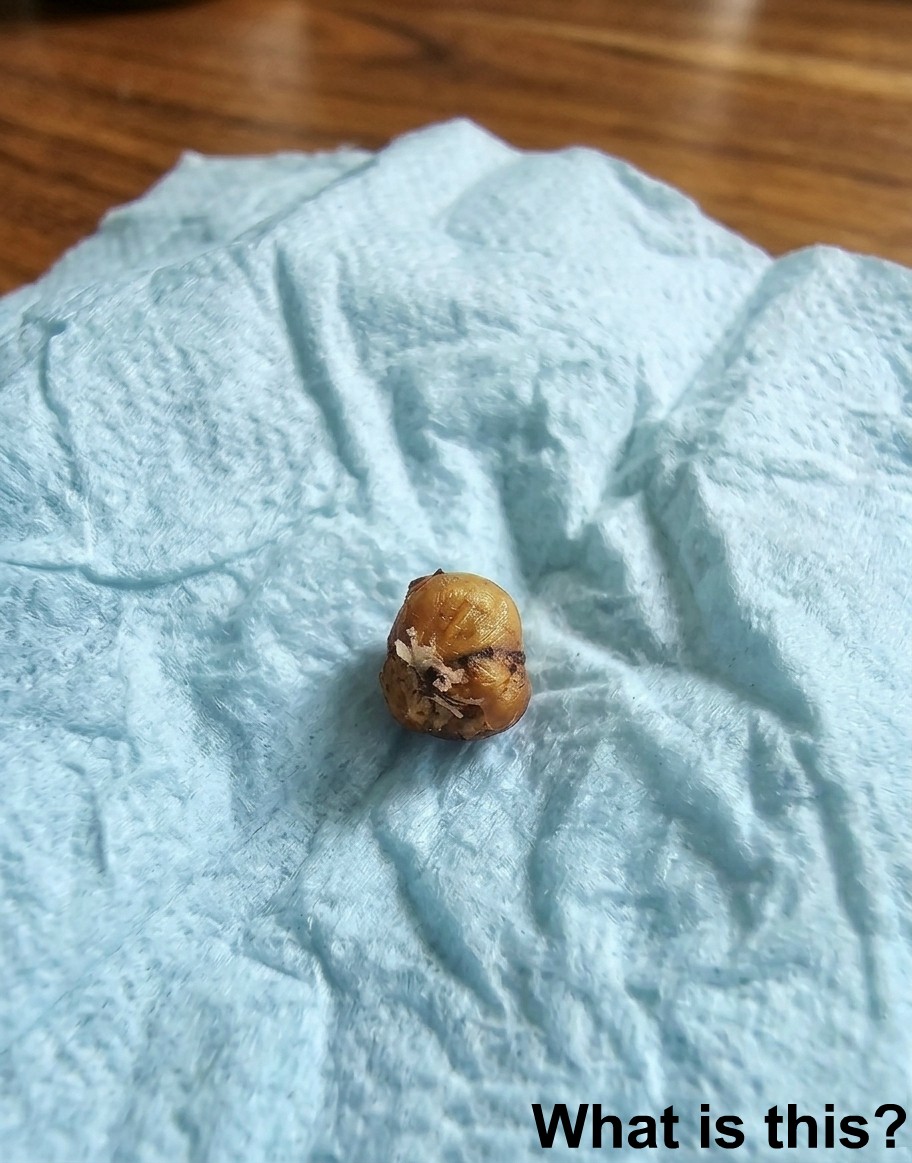
For many, the initial response upon finding something unusual in their hair fluctuates between disbelief and anxiety. The object may appear strange—too round, too wrinkled, almost organic—raising suspicions about whether it is an insect, a parasite, or even an egg. This sense of uncertainty triggers reactions ranging from humor to distress, often as people struggle to identify the foreign presence. In clinical settings, anxiety is a common emotional response, especially when the perceived object turns out to have public health implications, such as a tick.
Frequently, the fear is heightened by the knowledge that ticks are carriers of various diseases and are notoriously difficult to spot. Their small size, ability to attach securely, and sometimes wrinkled appearance after exposure to water or shampoo can easily cause misidentification. The process of zooming in, comparing online photos, and evaluating possibilities reflects a universal response to unfamiliar threats—an intersection between curiosity and concern that is well documented by psychological health professionals.
Tick Characteristics and Life Cycle
Ticks are arachnids, more closely related to spiders than insects. They undergo a complex life cycle consisting of egg, larva, nymph, and adult stages. Their survival depends on feeding from the blood of hosts, including mammals, birds, and reptiles. The nature of a tick’s attachment is both efficient and stealthy. With specialized mouthparts, they embed themselves in the skin, often remaining unnoticed amid hair or other tissues. Once attached, ticks can remain for days, feeding and swelling in size while their host may remain unaware of their presence.
Tick species are found worldwide, but some, such as Ixodes scapularis (the black-legged or deer tick) and Dermacentor variabilis (the American dog tick), are considered medically significant due to their potential to transmit pathogens. Ticks tend to thrive in grassy, wooded, or brush-filled areas, making outdoor activities a risk factor. Their ability to cling to hair, scalp, and clothing means an unnoticed tick can stay for extended periods, as evidenced in firsthand accounts like the one at the beginning of this article.
Understanding Tick-Borne Diseases
The principle risk associated with ticks is their capacity to transmit diseases. Ticks can serve as vectors for pathogens, including bacteria, viruses, and protozoa. Among the most common diseases are:
- Lyme Disease: Caused by the bacterium Borrelia burgdorferi, transmitted principally by the black-legged tick. Symptoms include fever, headache, fatigue, and the characteristic “bullseye” rash.
- Rocky Mountain Spotted Fever: Caused by Rickettsia rickettsii, transmitted by Dermacentor ticks. Presents with fever, rash, and potentially severe complications if untreated.
- Ehrlichiosis and Anaplasmosis: Bacterial infections passed by ticks that can cause flu-like symptoms and require antibiotic treatment.
- Babesiosis: Caused by protozoa, leading to malaria-like symptoms, and is transmitted by ticks in certain regions.
- Tularemia and Powassan virus: Other rare but potentially serious infections associated with tick bites.
The actual risk of disease transmission depends on factors such as tick species, length of attachment, and geographic location. According to the Centers for Disease Control and Prevention (CDC), prompt removal within 24-36 hours can significantly reduce the odds of infection in many cases. However, the stealthy nature of ticks means they often go unnoticed, especially when hidden in hair or scalp.
Recognizing Ticks in Hair: Practical Identification Tips
When searching for ticks in hair, medical professionals recommend a systematic approach:
- Check along the hairline, behind ears, at the base of the neck, and other crevices, as these areas are preferred by ticks.
- Use a fine-toothed comb and bright lighting to help visualize small ticks.
- Look for unusual specks, bumps, or wrinkled shapes—especially after exposure to water or shampoo, which can distort a tick’s appearance.
- Consult high-resolution photographs from trusted sources such as the CDC or Mayo Clinic to compare suspected ticks.
Misidentification is common. A tick exposed to water and shampoo may appear distorted—its coloring faded, wrinkled, or resembling a speck rather than a typical insect. The experience described above illustrates this confusion: only after close-up inspection and comparison to photos did the true nature as a crushed tick emerge. Relief followed, although tinged with anxiety about potential risks.

Medical Recommendations and Response Protocols
Should you discover a tick in your hair, immediate action is critical:
- Remove the tick carefully with fine tweezers. Grasp close to the skin and pull upward with steady pressure. Avoid twisting, crushing, or puncturing, as this may release infectious material.
- Clean the area thoroughly with soap and water, then use an antiseptic. Wash hands and sanitize any tools used.
- If the tick is partially crushed or cannot be fully removed, consult a healthcare provider promptly.
- Monitor for symptoms such as fever, rash, fatigue, or joint pain for up to 30 days. Early medical attention is crucial if symptoms develop.
In all cases, clothing, bedding, and personal items should be washed and dried on high heat to destroy any lingering ticks or eggs. According to the Mayo Clinic, proper post-exposure cleanup minimizes ongoing risk.
Expert Perspectives: Scientists, Physicians, and Public Health Officials
Experts emphasize the importance of vigilance. Dr. Lyle Petersen of the CDC has stated that public awareness is a cornerstone of preventing tick-borne diseases. Routine self-exam after outdoor activity, especially in endemic areas, is strongly advised. Dr. Jennifer Ashton, a leading authority in infectious diseases, notes that ticks can be easily missed in hair, particularly in children, which underscores the role of routine checks.
Entomologists highlight that the tick’s ability to blend with skin and hair, paired with its tiny size, makes the scalp a prime area for unnoticed attachment. Internationally, public health organizations recommend standardization of detection protocols, including educational campaigns and accessible resources for tick identification.
Prevention: Best Practices and Recommendations
Reducing the risk of ticks involves a multifaceted approach:
- Wear light-colored clothing to better spot ticks during outdoor activities.
- Apply EPA-registered tick repellents containing DEET or permethrin, especially around ankles, wrists, and neck.
- Stay on trails and avoid tall grasses or bushy areas during hikes.
- Perform thorough tick checks after spending time outdoors, particularly in regions known for tick presence.
- Shower soon after returning indoors and wash clothes on hot settings.
- Consult veterinarians for advice if pets are frequently outdoors, as ticks can be transported via animals.
Public health guidance from organizations like the World Health Organization (WHO) and CDC recommend integrating routine tick checks into daily hygiene practices during tick season, further reducing risks for individuals and communities.
Societal and International Reactions
Tick-borne diseases are a growing public health concern globally. Countries in North America, Europe, and Asia have seen an uptick (pun unintended) in reported tick encounters, with Lyme disease rates rising in some regions. Governments are funding awareness campaigns, supporting surveillance, and promoting research into tick biology and prevention. Local communities share information through social media, official websites, and school health programs, reflecting a collective effort to manage and address the risks.
Societal reactions are often characterized by a mix of concern and educational outreach. The sense of vulnerability—such as the experience recounted at the start of this article—leads to increased attention to prevention and early detection. International collaborations, such as the European CDC and US CDC, are advancing best practices and sharing diagnostic tools across borders, emphasizing the global nature of tick-related health risks.
Conclusion
The discovery of a tick, especially one hidden in hair, can be alarming and bewildering. By understanding the biological processes, medical risks, and best practices for prevention, individuals can better protect themselves and their loved ones. Recognizing the importance of vigilance—regular tick checks, prompt removal, and appropriate cleaning—reduces the likelihood of disease and provides peace of mind. Education, expert advice, and societal collaboration form the foundation of a safer, healthier response to tick-borne threats.
Sources
- Centers for Disease Control and Prevention (CDC)
- World Health Organization (WHO)
- Mayo Clinic
- BBC News
- Reuters
- Al Jazeera
- The Guardian
Disclaimer: This content is intended for entertainment purposes only and is not based on real events.