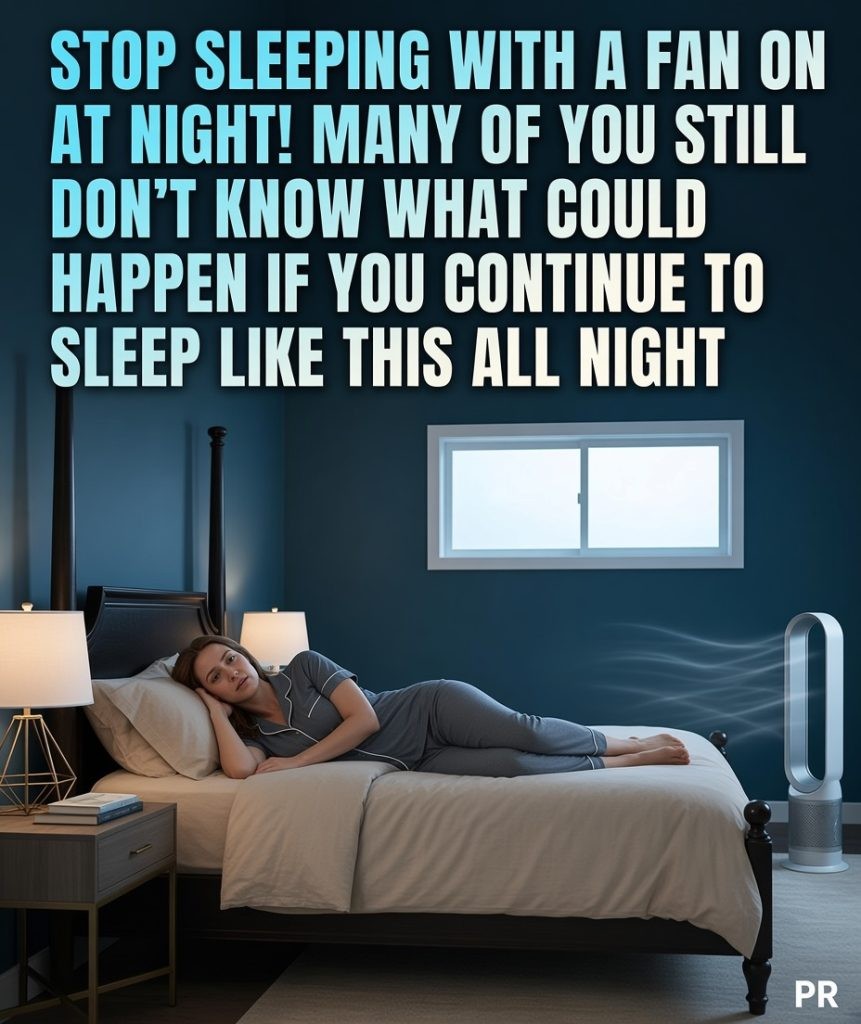
Sleeping with a Fan: Benefits, Risks, and How to Optimize Your Sleep Environment
Introduction: The Habit of Sleeping with a Fan
Across many households, sleeping with a fan running overnight is a familiar practice, particularly during warmer months. The gentle breeze and white noise produced by a fan can help create a comfortable sleeping environment. For some, these effects make drifting off much easier and mask the unpredictable noises of urban settings, neighbors, or pets. However, others may find that prolonged exposure to moving air introduces new problems—ranging from minor discomforts to sleep disruptions. Understanding both the advantages and potential drawbacks of sleeping with a fan is essential for optimizing your bedroom and promoting restful sleep.
The Benefits of Using a Fan While Sleeping
Fans can be valuable tools for environmental comfort and sleep hygiene. The most common benefits include:
- Temperature Regulation: Fans help cool the room and maintain air circulation, preventing heat buildup that can affect sleep quality.
- Noise Masking: The consistent hum of a fan often acts as “white noise,” masking sudden sounds that could otherwise disrupt sleep.
- Improved Airflow: For those in stuffy or poorly ventilated bedrooms, a fan can promote air exchange, potentially reducing the sensation of suffocation or discomfort.
Numerous sleep studies suggest that moderate cooling and background noise can improve sleep onset and continuity for many individuals. The National Sleep Foundation recommends a room temperature of 15-19°C (60-67°F) for restful sleep, and a fan can help achieve this range, especially in hotter climates.
Common Drawbacks and Signs of Discomfort
Despite these benefits, some people experience negative effects from running a fan overnight. These side effects are often subtle, but over time they can noticeably impact health and sleep quality.
Dry Mouth, Throat, and Nasal Irritation
One of the most reported effects is waking up with a dry mouth, scratchy throat, or irritated nasal passages. Continuous airflow encourages evaporation of moisture from mucous membranes of the mouth, nose, and throat. Those who sleep with their mouths open are particularly prone. When the bedroom air is already dry—such as in winter or in air-conditioned environments—a fan can exacerbate these symptoms, sometimes resulting in sinus discomfort by morning.
Prolonged dryness can cause discomfort and, in rare cases, increase the risk of infection if mucous membranes are compromised. If these symptoms persist, it is worth evaluating whether the fan is positioned too close and whether humidity levels in the room are optimal.
Muscle Stiffness and Cold Sensitivity
If a fan blows directly across your body or face for several hours, the resulting cool airflow may lead to muscle tension, particularly in sensitive individuals. This can manifest as a stiff neck, sore shoulders, or general muscle tightness. The cooling effect causes muscles to contract, which may be uncomfortable, especially if your sleep posture is not optimal or if you are sensitive to cold. The complaint is not universal; for many people, a fan poses no such risk. However, if you consistently wake up with unexplained muscle soreness, consider altering the direction or speed of the airflow.
Air Quality Concerns: Allergies and Irritants
A fan not only circulates air but also stirs up dust, pollen, pet dander, and other airborne particles in the bedroom. If the fan blades are dusty or the room is poorly cleaned, these particles can be dispersed and inhaled during sleep. Many people notice increased sneezing, congestion, itchy eyes, or postnasal drip upon waking. Those with allergies, asthma, or sensitive airways may be more susceptible to these effects.
Maintaining a clean fan and dust-free sleeping environment is vital. Regular cleaning of fan blades, vacuuming carpets, and changing bed linens can significantly reduce airborne irritants. If you experience allergy symptoms, consider using an air purifier alongside the fan, or setting the fan to oscillate rather than blow directly on your face.
Expert Perspectives on Indoor Air Quality
Indoor air quality is recognized by experts such as the United States Environmental Protection Agency (EPA) as critical to health. Poor air circulation can increase allergens and asthma risks, while excessive movement of dusty air can aggravate respiratory conditions. Allergists and pulmonologists emphasize the importance of balancing air circulation and cleanliness for optimal sleep, especially for those with pre-existing conditions.
The Impact on Sleep Architecture and Morning Fatigue
A fan does not inherently disrupt sleep architecture, which includes cycles of light, deep, and REM sleep. However, some individuals find that changes in temperature, airflow, or white noise levels trigger brief awakenings throughout the night. These micro-awakenings may be so brief they are not recalled upon waking, yet the cumulative effect can leave you feeling tired or less refreshed in the morning. If you notice consistent grogginess or morning fatigue after sleeping with the fan, it may be beneficial to experiment with fan settings and placement.
Clinical sleep studies conducted at institutions like the Mayo Clinic highlight that environmental factors such as noise, temperature, and air movement can subtly affect sleep continuity, even when total sleep time appears normal. Monitoring your own waking feelings can be an effective way to judge whether a fan is helping or hindering your sleep quality.
Dry Skin and Eye Irritation
Continuous airflow increases evaporation from exposed skin and the surface of the eyes. Some people may wake up with dry, red, or gritty eyes, or notice their skin feels tight or itchy—particularly if the fan is aimed directly at their face or if humidity is low. These effects are more pronounced for contact lens wearers or those who are prone to dry skin conditions such as eczema.
To minimize these symptoms, redirecting the fan, lowering its speed, or using an oscillating function can help. Maintaining indoor humidity (ideally between 30-50% according to the CDC) with a humidifier may also reduce dryness.
How to Optimize Fan Use for Safe, Comfortable Sleep
Using a fan safely and comfortably requires some adjustment and awareness:
- Fan Position: Point the fan away from your bed or use an oscillating feature to avoid direct airflow. This reduces drying and discomfort while still providing cooling benefits.
- Speed and Timer: Try running the fan on a lower speed or activating a timer so it turns off after you fall asleep. This maintains comfort without exposing you to continuous airflow.
- Cleanliness: Clean fan blades and grilles weekly to prevent accumulation and dispersal of dust and allergens.
- Moisture Management: Use a humidifier if air feels dry, and keep bedroom windows closed during high pollen seasons.
- Bedding and Sleepwear: Adjust bedding layers and sleepwear to ensure you are suitably warm, especially if you are sensitive to cold air.
If you find that some discomfort persists, consider alternative cooling strategies such as air conditioners, ceiling fans set to circulate air upwards, or using lightweight breathable bedding.
Listening to Your Body: Personalized Sleep Solutions
The decision to use a fan overnight is highly personal. Factors such as your health status, allergies, sensitivity to cold, and the local climate will all influence your experience. The most important step is to pay attention to your body’s signals after sleeping with a fan:
- Persistent dryness or congestion
- Unexplained muscle stiffness or soreness
- Irritated eyes or skin
- Morning fatigue or grogginess
- Allergy symptoms
If you observe any of these signs, experimenting with simple changes—like adjusting the fan’s direction, speed, timing, or environmental cleanliness—may quickly resolve the issue. For most people, the cooling and relaxing benefits of a fan can be preserved with these minor tweaks, leading to a more comfortable and rejuvenating night’s rest.
International and Societal Context: Fans and Sleep Practices
Globally, the use of fans varies with climate, access to air conditioning, and cultural preferences. In regions with hot, humid weather, fans serve as affordable and efficient cooling methods. In many Asian households, ceiling fans are favored, while portable fans are common in the United States and Europe. Societal awareness of indoor air quality is rising, with increased focus on allergy prevention, sleep hygiene, and environmental sustainability. Organizations such as the World Health Organization and CDC endorse practical measures for improving sleep environments, including adequate ventilation, moisture control, and allergen reduction.
Conclusion
Sleeping with a fan is a widespread practice offering notable benefits, such as temperature regulation and noise masking. However, regular nightly use can trigger minor discomforts for sensitive individuals, including dryness, muscle stiffness, allergy symptoms, and poor sleep quality. Monitoring your body’s responses and adjusting your sleep environment can help you maximize the advantages of using a fan while minimizing the drawbacks. With attention to cleanliness, humidity, air direction, and personal comfort, a fan can remain a valuable tool for restful sleep.
Sources
- National Sleep Foundation
- Centers for Disease Control and Prevention (CDC)
- U.S. Environmental Protection Agency (EPA)
- Mayo Clinic
- World Health Organization (WHO)
- Reuters
- BBC
- The Guardian
Disclaimer: This content is intended for entertainment purposes only and is not based on real events.