Square Waves: The Fascinating and Unpredictable Ocean Phenomenon
Introduction to Square Waves
The vast expanse of the ocean frequently awes us with its power and beauty. On calm days, its surface might seem tranquil and inviting, but beneath this serenity lies a complex interplay of natural forces. Among the many remarkable phenomena that occur, one of the most visually striking is the formation of square waves. This unique grid-like pattern on the sea’s surface can give the impression of a checkerboard, intriguing beachgoers and scientists alike.
What Are Square Waves?
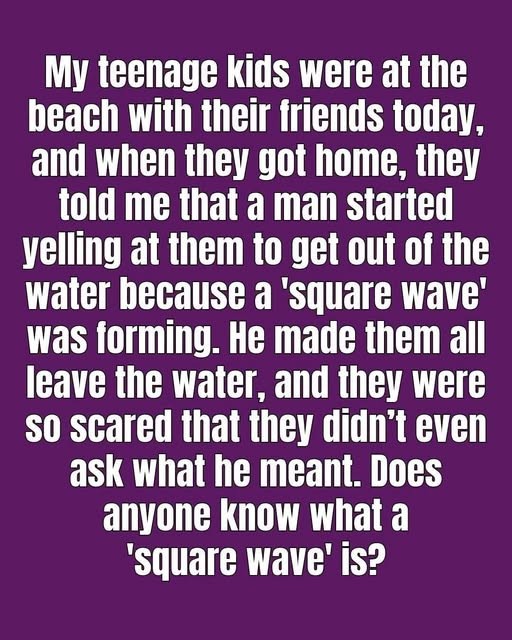
Square waves refer to a phenomenon where the ocean’s surface becomes crosshatched, forming a regular arrangement of squares. Unlike the typical rolling waves that flow in a uniform direction, square waves are the result of two distinct wave systems crossing paths at significant angles, often close to 90 degrees. The intersecting waves create a geometric pattern that, from a distance, can appear artificial or unrealistic.
This event, scientifically known as a cross sea or crossing sea, is most visible in shallow coastal waters where incoming swell and existing local waves interact. Islands such as the Île de Ré off the coast of France have become famous for these spectacular displays, regularly attracting photographers and tourists hoping to witness nature’s artistry.
The Science Behind Square Waves
The formation of square waves is governed by the principles of wave interference. Ocean waves are generated primarily by wind blowing over the surface; these waves move outward from their origin point in a consistent direction. Occasionally, different weather systems or distant storms send waves toward a coastline simultaneously, but from separate directions. When these wave trains meet, their energies combine constructively and destructively, resulting in the grid-like cross sea.
According to oceanographers, square waves are most likely to occur when:
- Two wave systems approach the same area from roughly perpendicular directions.
- The wind shifts or changes suddenly while an earlier swell persists, leading to overlapping patterns.
- Wave periods and frequencies match closely, promoting coherent crosshatching rather than chaos.
The resulting pattern is not permanent and can dissipate quickly if weather conditions change or if wave energies begin to cancel each other out. Nonetheless, the phenomenon remains an important subject of scientific study, both for its aesthetic impact and for its implications regarding coastal safety.
Why Square Waves Can Be Dangerous
While square waves are undeniably beautiful, their presence signals a turbulent and unpredictable sea state. The intersection of two strong wave systems creates a surface where water moves in multiple directions at once. For boaters, swimmers, and surfers, this means:
- Rough, unstable waters that are difficult to navigate.
- Unexpected wave angles that can impact vessel balance.
- Complicated currents beneath the surface, making swimming or diving more challenging.
The crosshatching effect is far from benign. In fact, vessels caught in cross seas can face increased risk of capsizing due to the multidirectional motion. Swimmers may find themselves unexpectedly pulled or pushed by changing currents, increasing the difficulty of staying afloat or reaching shore.
Experts warn that the apparent calm of a shoreline affected by square waves may be misleading. Surface conditions can look inviting, obscuring the underlying hazards that only become apparent once one enters the water. This is why local authorities, lifeguards, and maritime safety organizations often advise against entering waters where unusual wave patterns are visible.
Square Waves Around the World
Square waves aren’t limited to any one region or climate. They’ve been observed in coastal areas worldwide, with some regions experiencing them more frequently due to local geography and weather patterns. Notable locations include:
- Île de Ré, France – Famous for its striking square waves, attracting both tourists and scientists.
- Portugal’s coastal beaches – Occasionally see square waves during certain wind shifts.
- English Channel – The interaction of various swell systems creates sporadic cross seas.
The phenomenon is particularly common in areas where geographic features cause waves to converge, such as channels, bays, or around islands. While the visual spectacle can be mesmerizing, the local authorities in these regions are usually quick to caution visitors about the risks.
Images, Curiosity, and Misconceptions
Photographs and viral videos of square waves have circulated widely on social media, fueling curiosity and sometimes misunderstanding. The awe-inspiring appearance has even led to speculation about artificial or mysterious origins, but this is firmly debunked by oceanographic research.
It’s essential to remember that visual allure does not indicate safety. The unpredictable strength and movement of water under square waves require a cautious approach, both from individuals wishing to observe and those considering entering the sea.
Local authorities often issue warnings during visible square wave formations, and lifeguards may restrict swimming or boating activities as a precaution. Admirers should respect such guidelines to avoid inadvertent risks.
Expert Views and Safety Advice
According to marine safety experts and oceanographers, the complexities of cross seas make them dangerous even for experienced water users. The Canadian Coast Guard, the U.S. National Oceanic and Atmospheric Administration (NOAA), and European maritime agencies all emphasize the importance of situational awareness and preparedness. Some of their key advice includes:
- Observe from a safe distance when unusual wave patterns appear.
- Follow posted warnings and the instructions of local authorities or lifeguards.
- Never underestimate currents or wave energies, even if the surface appears calm.
- Educate yourself and others about ocean dynamics before venturing into unfamiliar coastal areas.
Boaters are further advised to check marine forecasts, understand local swell patterns, and avoid navigating during unpredictable sea state changes. Safety, experts say, is rooted in respect for nature’s complexity.
Square Waves in Science and Culture
Beyond their immediate practical implications, square waves hold significance in scientific research and cultural observation. Oceanographers study wave interactions to improve forecasts for shipping, coastal management, and disaster prevention. Insights gleaned from square wave dynamics help in designing safer harbors and informing rescue protocols.
In cultural terms, square waves have inspired artists, photographers, and storytellers, representing nature’s capacity for both order and unpredictability. They serve as reminders that beauty and danger can coexist, and that appreciating nature sometimes means observing from a safe distance.
International and Societal Response
Globally, public awareness campaigns by coastal authorities emphasize the hazards associated with unusual wave formations. Regions prone to cross seas often invest in education efforts, warning signs, and emergency protocols. Maritime training programs include modules on hydrodynamics and wave interference, equipping professionals to navigate or respond appropriately.
Society’s response highlights the balance between curiosity and caution. While square waves captivate imaginations, official advice underscores the need for prudent behavior. Remote observation, coupled with scientific inquiry, forms the basis for safe enjoyment of this phenomenon.
Conclusion
Square waves are one of the ocean’s most astonishing contradictions: a pattern that is both mesmerizing and hazardous. From their scientific roots in wave interference to their broader cultural impact, square waves illustrate the unpredictability and dynamism of our planet’s seas. Admirers are encouraged to appreciate their beauty from a secure position, while respecting the warning signs and advice of experts and authorities.
Ultimately, understanding square waves is not merely a matter of curiosity, but a lesson in respecting environmental complexity. Observing, learning, and acting responsibly ensures that everyone can safely enjoy the wonders of the ocean.
Sources
Disclaimer: This content is intended for entertainment purposes only and is not based on real events.