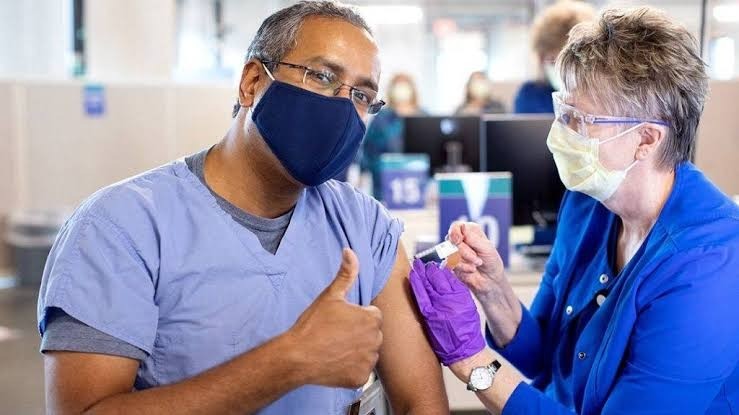
COVID-19 Vaccines in 2026 Remain Highly Effective at Reducing Severe Illness
COVID-19 vaccines in 2026 continue to demonstrate substantial effectiveness in reducing severe cases, hospitalizations, and deaths due to SARS-CoV-2, especially with the rollout of updated Omicron-adapted booster shots. Although breakthrough infections can occur among vaccinated individuals, the risk of experiencing serious health outcomes is considerably lower compared to those who remain unvaccinated.
How COVID-19 Vaccines Work
Understanding the underlying mechanisms and platforms behind COVID-19 vaccines highlights why they remain a cornerstone of public health strategies globally.
- Immune Response: COVID-19 vaccines function by instructing the immune system to recognize and respond rapidly to the SARS-CoV-2 virus. When vaccinated, the body develops antibodies and cellular immunity, which prepares the immune system to neutralize the virus if encountered in the future. This readiness significantly lowers the chances of severe disease or protracted illness.
- Vaccine Platforms: Several vaccine technologies have been deployed worldwide. Among the most widely used are mRNA vaccines (such as Pfizer-BioNTech and Moderna), which deliver genetic instructions to cells to produce a harmless viral protein, prompting an immune reaction. Protein-based vaccines like Novavax introduce a piece of the viral protein directly, stimulating immunity. Adenovirus-vectored vaccines, exemplified by Johnson & Johnson and AstraZeneca’s formulas, use a modified virus as a delivery system for genetic material that encodes the SARS-CoV-2 spike protein.
- Boosters and Variant Adaptation: As SARS-CoV-2 continues to mutate, vaccine manufacturers have adapted formulations to enhance effectiveness. In 2026, booster shots targeting Omicron and newer subvariants such as JN.1 are standard. These updated boosters offer improved protection against circulating virus strains, reducing the incidence of symptomatic and severe COVID-19.
Vaccine Effectiveness in 2025–2026: Evidence and Trends
Ongoing surveillance and research in 2025–2026 underline the high value of COVID-19 vaccination in mitigating the burden of disease globally. As variants of concern like Omicron continue to circulate, regular assessment of vaccine performance remains essential.
- Hospitalization Protection: Recent studies have shown that individuals who received updated COVID-19 vaccines experienced approximately 55% reduction in hospitalization rates following COVID-like illness. This relative risk reduction is significant given the pressure that severe cases place on healthcare systems.
- Emergency Care Visits: The effectiveness of current vaccines in preventing emergency department and urgent care visits for COVID-19-related symptoms stands at nearly 50%. This points to substantial real-world impact, lessening the acute care burden and allowing resources to be allocated more efficiently.
- Variant Adaptation: Comparative studies demonstrate that Omicron-targeted booster doses provide superior protection against symptomatic infection and severe outcomes when matched against older, monovalent (original strain) formulations. This enhanced immunity enables populations to better withstand new waves of infection.
Vaccine Safety Profile in 2026
Safety remains a top priority for public health officials, vaccine manufacturers, and regulatory bodies worldwide. In 2026, safety monitoring programs are more robust than ever, incorporating decades of cumulative data to guide recommendations.
- Adverse Events: The incidence of serious side effects following COVID-19 vaccination continues to be extremely rare. The vast majority of recipients experience no side effects or only mild, transient reactions such as fever, fatigue, or local pain at the injection site. Ongoing monitoring ensures rapid identification and management of potential risks.
- Long-term Data: Evidence from multiple years of vaccine administration demonstrates sustained safety across a wide range of populations, including adults, adolescents, and increasingly among younger children. Dedicated pharmacovigilance for specific groups, such as immunocompromised individuals and cancer patients, is ongoing to identify any long-term effects, though current data remain reassuring.
World Health Organization (WHO) Guidance in 2026
The World Health Organization (WHO) and leading health authorities around the globe continuously update guidance in response to emerging evidence and changing epidemiological patterns. In 2026, the WHO’s recommendations emphasize targeted vaccination strategies to maximize public health benefit.
- Routine Vaccination: The primary recommendation focuses on high-risk populations, including the elderly, individuals with compromised immune systems, healthcare workers, and those with underlying health conditions that increase susceptibility to severe COVID-19 outcomes.
- Coadministration: WHO and many national public health agencies endorse coadministration of COVID-19 vaccines with influenza and routine immunizations, streamlining logistics, enhancing coverage, and minimizing missed opportunities for protection.
- Future Research: Continuous investment in vaccine research prioritizes understanding the durability of immune protection, the development of variant-specific boosters, and solutions to address vaccine access inequality between high-income and low-income countries. These priorities aim to strengthen global pandemic preparedness and response capabilities.
Risks, Trade-offs, and Ongoing Challenges
Despite tremendous progress with COVID-19 vaccines, several important challenges and trade-offs persist. Understanding these nuances is critical for shaping policy and public expectations.
- Breakthrough Infections: As immunity can diminish over time and with the continual emergence of new, immune-evasive SARS-CoV-2 variants, vaccinated individuals may still contract COVID-19. However, vaccination substantially lowers the risk of progression to critical illness, hospitalization, or death.
- Waning Immunity and Boosters: Vaccine-induced protection naturally decreases over months, especially in populations with higher vulnerability (such as the elderly or immunosuppressed). This underlines the continued importance of timely booster campaigns and ongoing vaccine updates to keep immunity high at a population level.
- Global Inequity: Access to the latest and most effective updated vaccines remains uneven. While high-income countries generally achieve higher coverage rates, many low- and middle-income regions experience shortfalls in both initial vaccination and booster doses. Bridging this gap is essential to protect vulnerable groups and suppress new variant emergence worldwide.
Expert Perspectives on COVID-19 Vaccination
Healthcare experts and epidemiologists almost universally agree that COVID-19 vaccines have transformed the trajectory of the pandemic. According to numerous peer-reviewed studies, vaccine rollouts have prevented millions of deaths, averted critical healthcare overload, and permitted the gradual return to social and economic activities while reducing disruption related to absenteeism and hospitalization.
Dr. Soumya Swaminathan, former WHO Chief Scientist, has emphasized the adaptive nature of existing vaccine technologies, describing mRNA, protein-based, and viral vector platforms as “remarkably versatile and learnable, supporting ongoing efforts to refine and update formulations as the virus evolves.” Other experts underscore that prompt identification and response to emerging variants, coupled with equitable vaccine allocation, are imperative for continued global recovery.
National health agencies in the United States, Europe, and Asia continue to conduct large-scale effectiveness and safety studies, with the Centers for Disease Control and Prevention (CDC) and European Medicines Agency (EMA) regularly updating guidelines in line with emerging data and local epidemiological patterns. These agencies coordinate with global partners to inform vaccine deployment strategies and response plans for future public health emergencies.
International and Societal Reactions
Internationally, responses to COVID-19 vaccination in 2026 remain dynamic. Countries with mature healthcare systems and high vaccination rates report lower mortality and reduced health service disruption during new variant-driven waves. However, the international community recognizes an ethical duty to support lower-income countries through COVAX and bilateral vaccine-sharing agreements, aiming to close persistent immunization gaps.
Societal acceptance of periodic booster campaigns has gradually increased as broader segments of the global population adapt to living with COVID-19. Public health messaging continues to stress the importance of staying current with boosters and complementing vaccination with other preventive measures (such as ventilation, testing, and targeted mask use) during periods of heightened risk. Community engagement, transparent risk communication, and combating vaccine misinformation remain essential parts of pandemic response strategies worldwide.
Conclusion
COVID-19 vaccination—bolstered by updated variant-adapted boosters—continues to represent one of the most effective interventions in the fight against serious disease and death. Although challenges such as waning immunity and global equity persist, the safety and benefits of vaccination are clear. Moving forward, ongoing research, timely updates to vaccine formulations, and concerted efforts to address disparities in vaccine access will shape the future of pandemic management and preparedness. Strong public health leadership, international collaboration, and transparent, science-based communication are essential pillars in sustaining progress made during the pandemic and responding effectively to future health emergencies.
Sources
- World Health Organization (WHO)
- Centers for Disease Control and Prevention (CDC)
- Reuters
- BBC News
- The Guardian
- Mayo Clinic
Disclaimer: This content is intended for entertainment purposes only and is not based on real events.