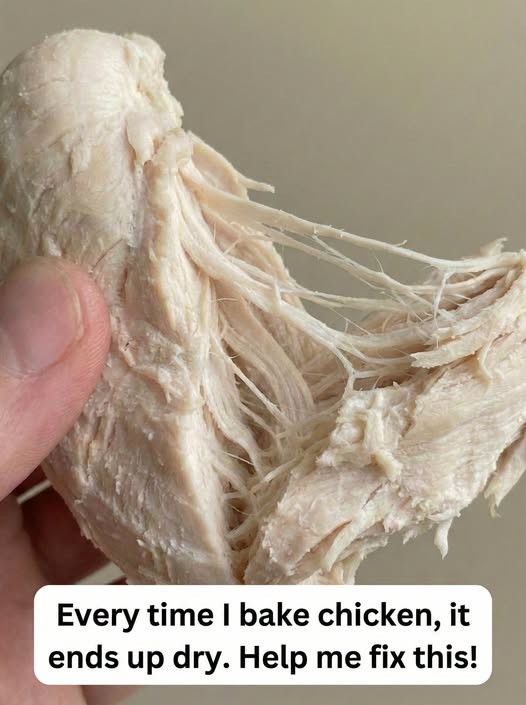
Why Baked Chicken So Often Turns Out Dry: How to Avoid Common Mistakes and Cook Juicier Chicken
Introduction: The Ubiquity—and Challenge—of Baked Chicken
Baked chicken is a staple in global cuisine. Popular for its versatility, convenience, and nutritional value, it finds its way onto weeknight dinner tables, family gatherings, and meal prep sessions everywhere. Despite its popularity, home cooks frequently report disappointment: chicken that looks appetizing yet turns out frustratingly dry. This article explores the science behind this common kitchen occurrence and offers practical, evidence-backed strategies for consistently juicy, flavorful baked chicken.
The Science of Chicken: Why Lean Meat Is Fragile in the Oven
Chicken breast is valued for its high protein content and minimal fat, making it a nutritional powerhouse for many. However, these very traits make it more challenging to keep moist during baking. Fat acts as a shield during cooking, helping meat retain moisture. When chicken breast reaches temperatures above 165°F (74°C), the proteins contract and expel moisture, causing dryness. According to food scientists, every degree above the optimal internal temperature further dehydrates the meat. Thighs and drumsticks, by contrast, have greater fat and connective tissue, which help retain moisture and tenderness during cooking.
Recipe Timers: The Importance of Accuracy and Science
Standard recipes often recommend baking chicken at 350°F (175°C) for 30 to 40 minutes. Yet origin, thickness, initial temperature, and oven variability significantly impact cooking time. The U.S. Department of Agriculture and expert chefs universally endorse cooking chicken until it reaches an internal temperature of 165°F. Digital instant-read thermometers allow home cooks to precisely target this temperature, avoiding the guesswork that leads to overcooked, dry chicken.
Oven Variability: Why Your Appliance Matters
Consumer research has demonstrated that home ovens often deviate from their set temperature, sometimes running hotter or cooler by up to 25°F. An inexpensive oven thermometer placed at the center rack reveals the actual environment, allowing for adjustment and more reliable outcomes. Understanding your oven’s peculiarities is integral to successful baking, particularly for delicate proteins like chicken.
The Role of Thickness: Uniform Cooking for Better Results
Chicken breasts commonly taper from a thick end to a thin tip. As a result, the thinner section cooks faster, often drying out before the thick center reaches safe internal temperature. Culinary professionals often recommend pounding breasts to an even thickness or slicing them into cutlets. This straightforward step ensures near-simultaneous cooking throughout, resulting in fewer dry spots and more consistent flavor and texture.
Moisture-Retention Techniques: Brining and Marinades
Brining, even for just half an hour, can substantially improve the moisture and tenderness of baked chicken. A basic brine consists of water, salt, and, optionally, sugar. The salt solution causes the proteins within the chicken to restructure, enabling them to retain more water during cooking. Marinades with oil and acidic elements such as lemon juice, yogurt, or vinegar further protect the chicken’s surface and introduce flavor complexity. The time investment is minimal, but the payoff—in both texture and taste—can be substantial.
Skin and Bones: Built-in Protection
Bone-in, skin-on chicken pieces deliver greater culinary flexibility and moisture retention. The fat from the skin naturally bastes the meat, and bones transmit heat more gently, resulting in juicier outcomes. For those who prefer boneless, skinless cuts, consider supplementing with moisture: bake in a covered dish, add broth or sauce to the pan, or brush the chicken with oil or melted butter prior to cooking. Each technique compensates for the removed protective layers, safeguarding against dryness.
Pan Setup and Cooking Environment
Baking chicken in a dry pan without additional moisture is a common mistake. Incorporating olive oil, melted butter, or even mayonnaise creates a protective barrier. Additionally, arranging vegetables such as onions, tomatoes, zucchini, or bell peppers beneath the chicken introduces steam and juices that further insulate the meat. Adding broth or a splash of white wine enhances both flavor and moistness, creating a more forgiving oven environment and a convenient one-pan meal.
The Limitations of Timers and the Solution of Thermometers
Timers are useful for tracking progress, but their limitations are clear: actual cooking time depends not only on weight and thickness, but also on whether the chicken started cold, the oven’s reliability, and the presence of bone or skin. A thermometer provides precise information, and many chefs recommend removing chicken from the oven at 160°F (71°C). Allowing carryover heat to bring it to 165°F during resting prevents overshooting the target and safeguards juiciness.
Preparation and Starting Conditions
Placing refrigerated chicken directly into the oven can cause uneven cooking, as the exterior heats faster than the cold interior. Experts suggest allowing chicken to sit at ambient temperature for 15 to 20 minutes before cooking. Additionally, patting the surface dry ensures better browning and texture. The quality of the chicken also matters: fresh, minimally processed chicken is more likely to stay juicy during baking, whereas previously frozen or additive-rich poultry may release excess moisture or suffer poor texture.
Pan Types and Cooking Surfaces
The choice of baking dish impacts results. Wire racks over sheet pans promote air circulation and browning, but require additional protection, such as oil brushing, to prevent drying. Tightly sealed foil creates a steaming effect, sometimes leading to rubbery texture. Glass and metal pans heat differently, and dark pans cook hotter than shiny ones. Awareness of these details allows for real-time adjustments and improved outcomes.
The Importance of Resting Chicken
Immediately cutting into freshly baked chicken releases precious juices onto the cutting board, leaving the meat drier. Resting chicken for five to ten minutes allows juices to redistribute and reabsorb, resulting in noticeably moister slices and improved texture. This simple pause can change the entire eating experience, often reducing reliance on heavy sauces to compensate for dryness.
Choosing the Right Cut: Thighs, Drumsticks, and Breasts
Different chicken cuts react uniquely to oven cooking. Thighs and drumsticks, with higher fat and collagen content, are more forgiving and easier to avoid overcooking. Bone-in thighs are a popular choice for sheet pan recipes and weekend roasts, while drumsticks work well for family dinners. Breasts remain ideal for sandwiches and salads, but require closer attention and risk drying out sooner. Selecting a cut suited to your cooking method makes successful baked chicken more likely.
Modern Techniques and Higher Heat
Contrary to tradition, recent culinary research and chef demonstrations show that higher heat (up to 425°F/220°C) can actually improve moisture retention. Faster baking seals the exterior, reducing time spent in the oven and conserving internal juices. Flattening a whole chicken or spatchcocking renders even faster, more uniform cooking. These methods are not just trendy—they are scientifically validated ways to improve baked chicken outcomes.
Best Practices for Reheating Leftover Chicken
Leftovers are another point of frustration. Microwaves extract moisture quickly, making chicken tough and dry. Experts recommend gently reheating in the oven, covered and with a splash of broth; steaming on the stovetop; or incorporating leftover chicken into soups, stews, or pasta, all environments rich in moisture. If microwaving is unavoidable, cover the meat and use a damp paper towel for improved results. Treating leftovers with care extends their appeal and utility.
Is Perfect Baked Chicken Achievable?
While baked chicken is often perceived as prone to dryness, a combination of evidence-based strategies makes delicious, juicy results reliably attainable. Small changes—such as even thickness, accurately gauged oven temperatures, proper moisture additions, using thermometers, and resting after cooking—stack up to transform this ubiquitous dish. Awareness, rather than rigid adherence to recipe tradition, is the key.
Diversity of Flavors and Adaptability
Once these principles are integrated, baked chicken showcases remarkable adaptability. From lemon and herb profiles to barbecue sauces and one-pan dinners, it can suit nearly any dietary or flavor preference. Cold slices over salads or grain bowls, paired with roasted vegetables or rice, demonstrate its versatility. Perfection is not necessary. Consistency and comfort are the true aims, ensuring that baked chicken meets the needs of any kitchen or situation without reliance on last-minute sauce solutions.
Conclusion
Baked chicken’s reputation for dryness is a reflection of its unique biological and culinary challenges. With scientifically informed techniques and careful attention to preparation, cooking environment, and post-cooking steps, the home cook can confidently deliver moist, flavorful chicken. Minor missteps are easily repurposed in creative ways—soups, tacos, casseroles—making baked chicken a dependable foundation for family meals, healthy eating, and creative cuisine. Mastery is less about perfection and more about adapting to the specifics of your kitchen, cut, and preferences.
Sources
- CDC: Food Safety and Chicken
- USDA Food Safety Tips
- BBC Good Food: How to Cook Chicken
- Reuters: Chicken Cooking Science
- Mayo Clinic: Nutrition and Cooking Chicken
- The Guardian: Chicken Breast Cooking Advice
Disclaimer: This content is intended for entertainment purposes only and is not based on real events.