Why You Should Always Unplug Your Freezer Before Defrosting – The Truth Behind the Myth

Introduction: The Temptation of Quick Defrosting
Modern life is full of shortcuts and so-called “life hacks,” often promising to save us time and effort. Among them, one suggestion appears regularly: defrost your freezer without unplugging it. At first glance, ignoring the plug—or manipulating the ice while the appliance is still running—can sound tremendously appealing. After all, waiting hours for ice to melt or wrestling heavy appliances away from the wall isn’t on anyone’s wish list. But is this a harmless trick or a recipe for trouble?
In this comprehensive guide, we’ll take a closer look at why unplugging your freezer before defrosting isn’t just an old-fashioned rule, but an essential modern best practice. You’ll learn the science behind freezers, what risks are involved in shortcutting, and expert-approved methods for safe, efficient defrosting. Ultimately, we provide practical tips to help keep your freezer running smoothly while saving time, electricity, and money.
Understanding How Your Freezer Works
To appreciate why unplugging is vital, it helps to understand how a freezer operates. A freezer maintains subzero temperatures through a refrigeration cycle, with a compressor, evaporator coils, thermostat, and coolant. The compressor circulates refrigerant through the coils, absorbing heat from inside and releasing it outside, thus keeping the temperature low.
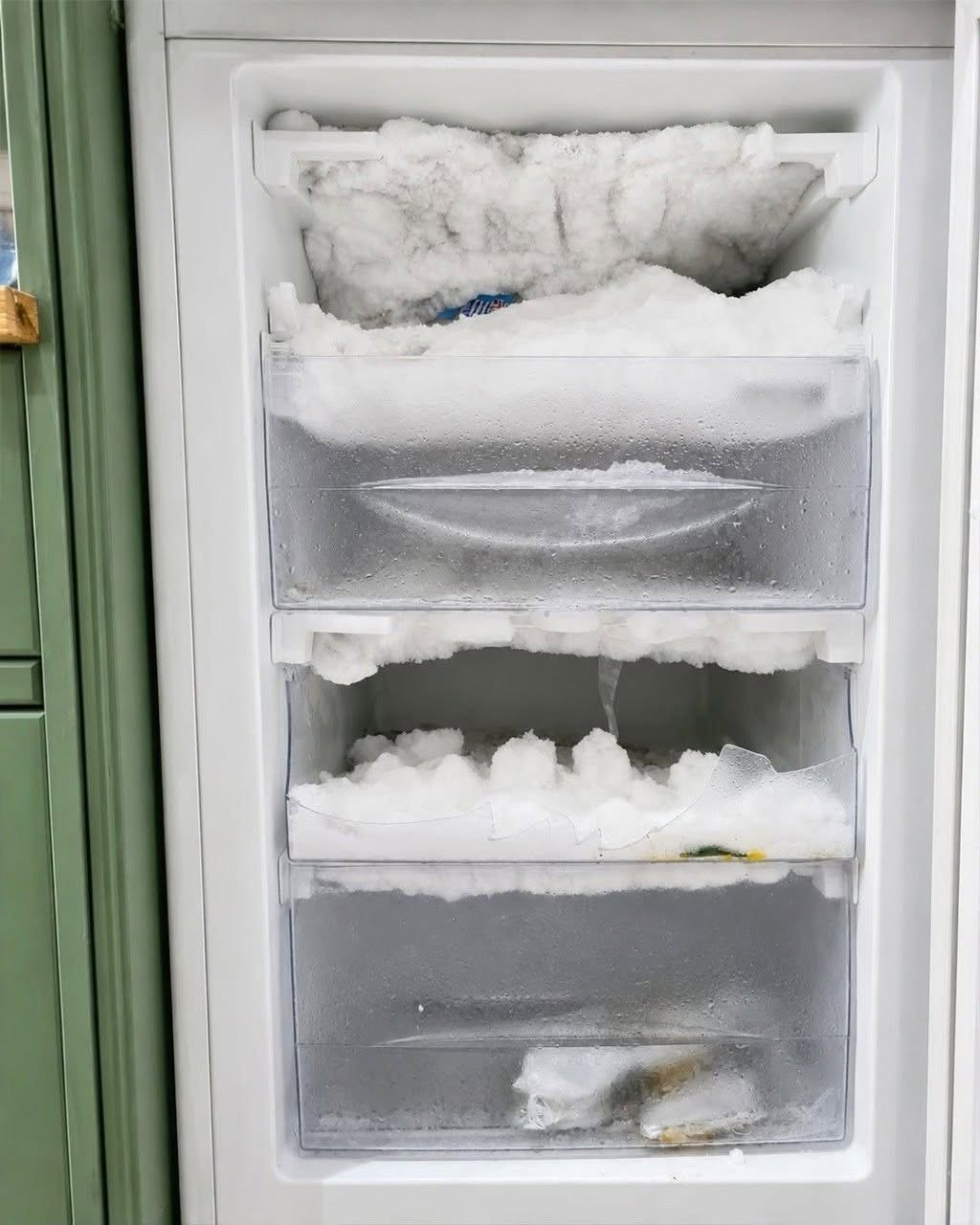
Over time, moisture from the air entering the freezer condenses on the inner walls and turns into frost or ice. This buildup is natural, but when too much accumulates, it insulates the freezer walls, causing the appliance to work harder and less efficiently. Defrosting periodically is necessary not just for hygiene, but for maintaining optimal performance and energy efficiency.
Common Myths: The Idea of Defrosting Without Switching Off
The myth that you can safely and quickly defrost your freezer without turning it off has been spread across blogs and forums. Advocates claim that with a little care and perhaps the use of hot water or quick scraping, one can eliminate the ice without all the hassle. But underlying this approach are serious risks, often resulting in higher electricity bills, appliance damage, or even safety hazards.
Let’s examine why this shortcut is, in fact, counterproductive—and what problems it can cause for your appliance and your wallet.
The Risks of Defrosting With the Freezer Plugged In
1. Compressor Overload and Potential Failure
The thermostat inside your freezer is designed to maintain a stable temperature. When you introduce heat—by scraping, using hot water, or even opening the door for prolonged periods—the thermostat detects the temperature rise. In response, the compressor works overtime, running at peak capacity to cool things down again.
This can not only spike your energy consumption, but can also lead to overheating of the compressor. Prolonged overexertion may result in the compressor failing entirely—a costly repair, or even the need for a full appliance replacement.
2. Faster Ice Formation Instead of Less
Another consequence is counterintuitive: opening the freezer door while the appliance is on and introducing hot steam or warm air doesn’t make the ice go away as intended. Instead, the warm, humid air immediately condenses on the super-cold coils and walls, causing even more frost to form. In essence, you are re-starting the very freeze-melt-freeze cycle you are trying to break, making defrosting a never-ending task.
3. Elevated Risk of Appliance Damage
Using sharp tools like knives or scrapers while the freezer is running is especially hazardous. Many freezer compartments contain cooling pipes just beneath the interior surface. Accidentally puncturing them can cause refrigerant to leak out, making the appliance irreparably damaged. In extreme cases, there could also be electrical hazards, since the casing may be under voltage. The result? A destroyed or even dangerous appliance.
Why Energy Efficiency and Appliance Lifespan Matter
A freezer operating under stress because of improper defrosting consumes significantly more electricity. According to the U.S. Department of Energy, removing humidity and frost is key to maintaining efficiency. Excessive frost buildup can increase monthly energy use by up to 30% or more. Frequent compressor stress also reduces the overall lifespan of the appliance. In short, trying to save a few minutes with a risky shortcut can cost far more in the long run.
Proper Defrosting: Expert-Recommended Steps
Instead of taking risks, follow these steps for a safe, effective, and relatively quick defrost:
- Prepare in advance: Plan to defrost when your freezer stock is at its lowest or when you can temporarily store items in a cooler or another freezer.
- Unplug the appliance: This is the non-negotiable first step. Switch off at the mains, or unplug completely.
- Remove all food: Transfer contents to a cooler bag or insulated container with ice packs.
- Open the freezer door: Natural room temperature air will start to melt the frost gently.
The Bowl of Steam Method: A Physical-Science Trick
If you don’t want to wait hours for solid ice to melt, you can accelerate the process using steam. Here’s how:
- Boil water and pour it into a heatproof bowl.
- Place the bowl on a thick towel or freezer mat inside the empty freezer compartment.
- Close the freezer door and leave it for 15–20 minutes. The hot steam will loosen the frost and cause the ice to break away in large sections.
- Carefully remove ice chunks as they loosen. Do not use sharp tools—fingers or a plastic spatula are safest.
- Wipe the interior dry with a clean cloth or towel.
Optional: Prevent Future Ice Build-Up
After the freezer is clean and dry, you can rub a small amount of neutral cooking oil or pure glycerin onto the interior walls. This will make it harder for ice to adhere and easier to remove in the future. Avoid excessive amounts—just a thin, invisible layer will do the trick.
Maintenance Tips to Delay the Need for Defrosting
- Organize your freezer: Group similar items together and use baskets or containers. This helps you find things quickly, minimizing door-open time and moisture entry.
- Keep the door shut: Every time you open the door, humid air enters and condenses as frost. Plan what you need before opening, and close the door swiftly.
- Check the door gasket: Damaged or worn door seals let warm air leak in, causing more frequent frost build-up. Clean and inspect them regularly, and replace if necessary.
- Store cooled food: Placing warm or hot food directly into the freezer increases internal humidity, speeding up frost accumulation. Let items cool before freezing.
- Use an accurate thermometer: Keep your freezer at around -18°C (0°F). Too low and you risk unnecessary energy use, too high and food safety may be compromised.
Alternative Appliances: Auto-Defrost & Modern Innovations
Many new freezers and fridge-freezers are equipped with auto-defrost systems. These use periodic heating cycles or fans to prevent major frost build-up. However, if your appliance is a manual defrost model, these steps remain essential.
Even auto-defrost units may require manual intervention if used heavily, or if humidity is particularly high. Always consult your manufacturer’s manual and adhere to safety guidelines when handling electrical appliances.
International Expert and Consumer Advice
Major consumer protection agencies, including the U.S. Department of Energy, the UK’s Energy Saving Trust, and consumer advice outlets in Europe, all recommend unplugging electrical appliances before performing maintenance or cleaning.
The USDA’s Food Safety and Inspection Service also underscores the importance of maintaining correct freezer temperatures to keep food safe during any period the appliance is turned off. Utilizing insulated containers with ice packs is sufficient for typical defrosting times.
Globally, as energy prices rise and sustainability concerns grow, routine maintenance such as defrosting is more relevant than ever. Efficient appliances contribute to lower household bills and reduce greenhouse gas emissions by consuming less power.
Conclusion: Best Practices and Key Takeaways
While we may be drawn to shortcuts in home maintenance, when it comes to freezers, unplugging before defrosting is a necessary safeguard. Proper technique preserves your appliance, ensures food safety, conserves energy, and eliminates risks to your wallet—and your home. By following expert-backed advice, you can enjoy the benefits of a perfectly running freezer with much less hassle, and confidence in your safety and energy savings.
Never use sharp tools; always be patient and allow physical principles—like steam and conductivity—to assist you. With the right approach, defrosting becomes an infrequent, manageable task rather than a source of stress.
Sources
Disclaimer: This content is intended for entertainment purposes only and is not based on real events.