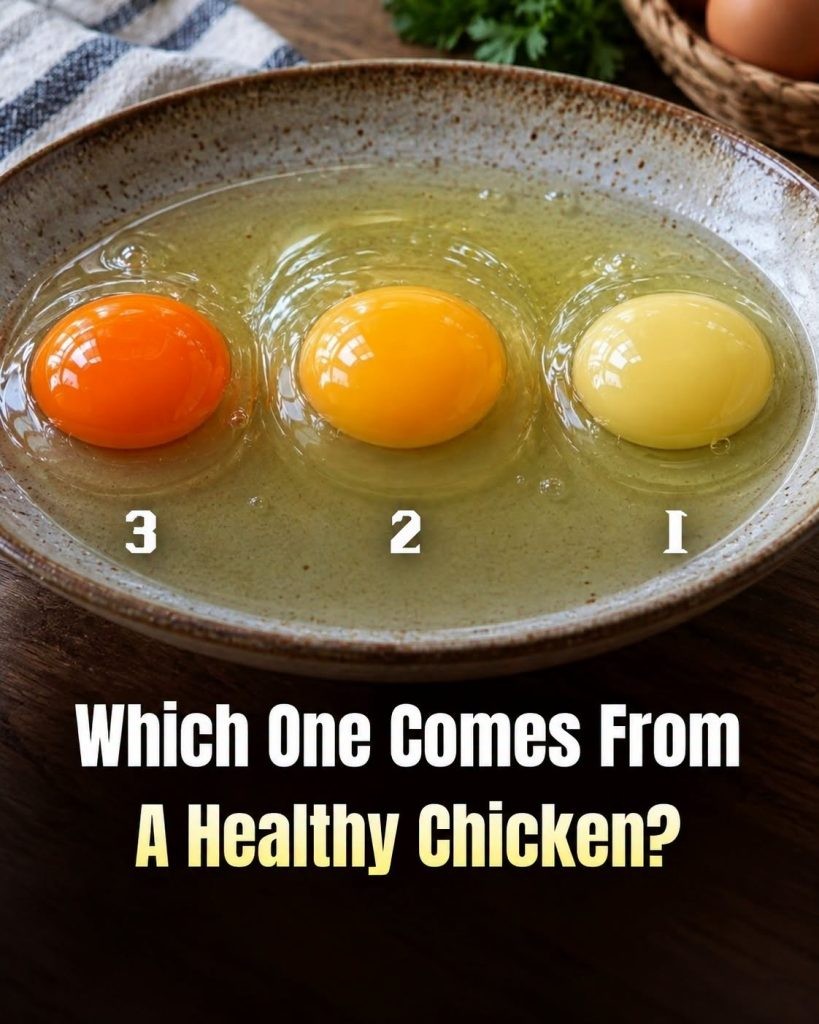
That Rich, Orange Yolk You Proudly Pay Extra For Might Not Mean What You Think
Introduction: The Popular Belief About Orange Yolks
For many shoppers, the sight of a carton of eggs boasting deep orange yolks signifies premium quality and superior nutrition. Supermarkets and farmers’ markets alike often highlight this vibrant hue, leading consumers to pay extra for what appears to be a healthier product. But does a rich, orange yolk truly indicate a more nutritious or higher quality egg? The answer, as nutrition experts and agricultural researchers confirm, is more nuanced than the marketing may suggest.
What Determines Egg Yolk Color?
Contrary to common perception, the color of an egg yolk is not a primary indicator of its nutritional content or freshness. Instead, yolk color is determined largely by the diet of the hen. When hens consume foods rich in natural pigments called carotenoids, such as alfalfa, marigold petals, and grasses, their eggs develop deeper orange or golden yolks. Carotenoids are plant-based compounds that provide orange and yellow pigments and are found in many fruits and vegetables.
In addition to natural sources, some egg producers augment feed with carotenoid-rich additives like paprika or marigold extract to enhance yolk color. This process can create a visually appealing orange hue that closely mimics the yolks produced by pasture-raised hens. However, these additives do not necessarily enhance the nutritional value of the egg beyond what is inherent in the carotenoid itself.
Yolk Color and Nutrition: The Science
According to research highlighted by food scientists and institutions such as the Mayo Clinic, yolk color does not correlate directly with overall nutrition or safety. Both pale yellow and deep orange yolks generally contain similar levels of the key nutrients that eggs are known for, including:
- High-quality protein
- Vitamin B12
- Vitamin D
- Selenium
- Choline
While eggs from pastured or free-range chickens might contain higher levels of certain nutrients—such as omega-3 fatty acids or vitamin D—compared to conventionally produced eggs, such differences are only weakly or indirectly related to yolk color. The main driver for increased nutrients is the hen’s access to a variety of natural foods and sunlight rather than the specific color of the yolk itself.
The Role of Feed Additives in Yolk Color
In commercial egg production, it is common practice to adjust hen feed to achieve a desired yolk pigment. Studies published in journals analyzed by the Centers for Disease Control and Prevention (CDC) reveal that the use of natural pigments is widespread and considered safe. However, the color manipulation is largely cosmetic—a marketing strategy designed to meet consumer expectations.
It is important to recognize that the presence of a bright orange yolk could be due either to a natural, varied diet or to feed supplemented with carotenoid additives. In either case, the amount and bioavailability of nutrients per egg may remain similar. The visible difference is primarily just that—a visual appeal.
Understanding Egg Quality Beyond Yolk Color
So, if yolk color does not guarantee superior nutrition or quality, what should consumers look for when buying eggs? Food safety and animal welfare experts emphasize a broader perspective on egg choice. Factors with greater influence on egg quality include:
- Hen’s Diet: Hens allowed to forage outdoors or fed a diverse, natural diet may produce eggs richer in certain micronutrients and omega-3 fatty acids.
- Farming Practices: Eggs labeled as “pasture-raised,” “free-range,” or “organic” often reflect higher standards of animal welfare. However, you should consult third-party certifications for more assurance, as labeling practices can vary between countries.
- Freshness: The age of the egg affects taste, texture, and cooking behavior more than the color of the yolk. Most cartons have a “best by” or “sell by” date, and fresher eggs are generally preferred, especially for recipes like poached eggs where appearance matters.
- Hygiene and Handling: Proper sanitation during egg collection, storage, and transport significantly reduces the risk of foodborne illness.
The Appeal of Deep Orange Yolks: Marketing and Perception
The association between richer yolk color and quality nutrition likely stems from consumer preference and clever marketing. Orange yolks often evoke pastoral images of healthy, well-fed hens and idyllic farms. As a result, many shoppers willingly pay premium prices for eggs with deeper yolks, believing they are making a healthier choice for themselves and their families.
However, public health agencies and nutritionists urge consumers to think critically about what yolk color actually represents. A richer color can indeed reflect a diet higher in natural plant matter, but it is not a substitute for scrutinizing farming practices, reading labels, and understanding the broader context of egg production.
Expert Perspectives: What the Science and Industry Say
Dr. Marion Nestle, a professor of nutrition, food studies, and public health, has repeatedly emphasized that “the nutritional differences between eggs produced in various ways are small, with very little impact on overall diet.” She and other experts at the BBC and The Guardian point out that other factors, such as fresher eggs and more humane animal care, may be worth considering.
The U.S. Department of Agriculture (USDA) guidelines also indicate that egg yolk color is not used as an official grading metric. Instead, USDA standards focus on cleanliness, shell integrity, and the internal quality of the egg white and yolk irrespective of hue.
Societal and International Perspectives on Egg Production
In some countries, such as Japan and certain European nations, consumers show a marked preference for orange yolks. Egg producers in these regions often adjust hen diets accordingly. Conversely, in the United States and elsewhere, both yellow and orange yolks appear on store shelves, but marketing often still leans toward deeper colors.
Growing global interest in animal welfare, environmental sustainability, and transparency in labeling has led to greater scrutiny of egg production practices. As more consumers seek out ethical and environmentally friendly options, supply chains have adapted to provide more information about sourcing, hen treatment, and feed composition.
How to Choose Eggs: A Consumer’s Checklist
Rather than relying solely on yolk color, consider a range of factors for choosing nutritious and ethical eggs:
- Check the label: Look for third-party certifications such as “Certified Humane,” “Animal Welfare Approved,” or organic labels where available.
- Consider the source: When possible, buy from farmers’ markets or local producers where you can ask questions about animal care and diet.
- Store eggs properly: Keep eggs refrigerated and use them before the best-by date for maximum freshness.
- Don’t judge by color alone: Remember, deep orange color may be achieved by diet, additives, or marketing priorities and is not a guarantee of superior nutrition.
Conclusion: Looking Beyond Yolk Color
The perception that dark orange egg yolks are an automatic sign of higher quality or nutrition is largely a marketing myth. While yolk color can provide clues about a hen’s diet, it does not guarantee greater health benefits or quality. Instead, consider other attributes—including freshness, farming practices, and handling—to ensure you make the best choice for your health, taste preferences, and values.
So, the next time you’re eyeing that attractive carton at the grocery store, remember that appearance is only one factor. Take the time to look a bit deeper and make egg purchases based on informed, holistic criteria.
Sources
- Mayo Clinic – Egg yolks: Are they healthy?
- CDC – Eggs: Healthy Diet and Food Safety
- BBC – Does an Orange Egg Yolk Mean It’s Better?
- The Guardian – Why rich orange egg yolks aren’t always better
- USDA – United States Department of Agriculture
Disclaimer: This content is intended for entertainment purposes only and is not based on real events.