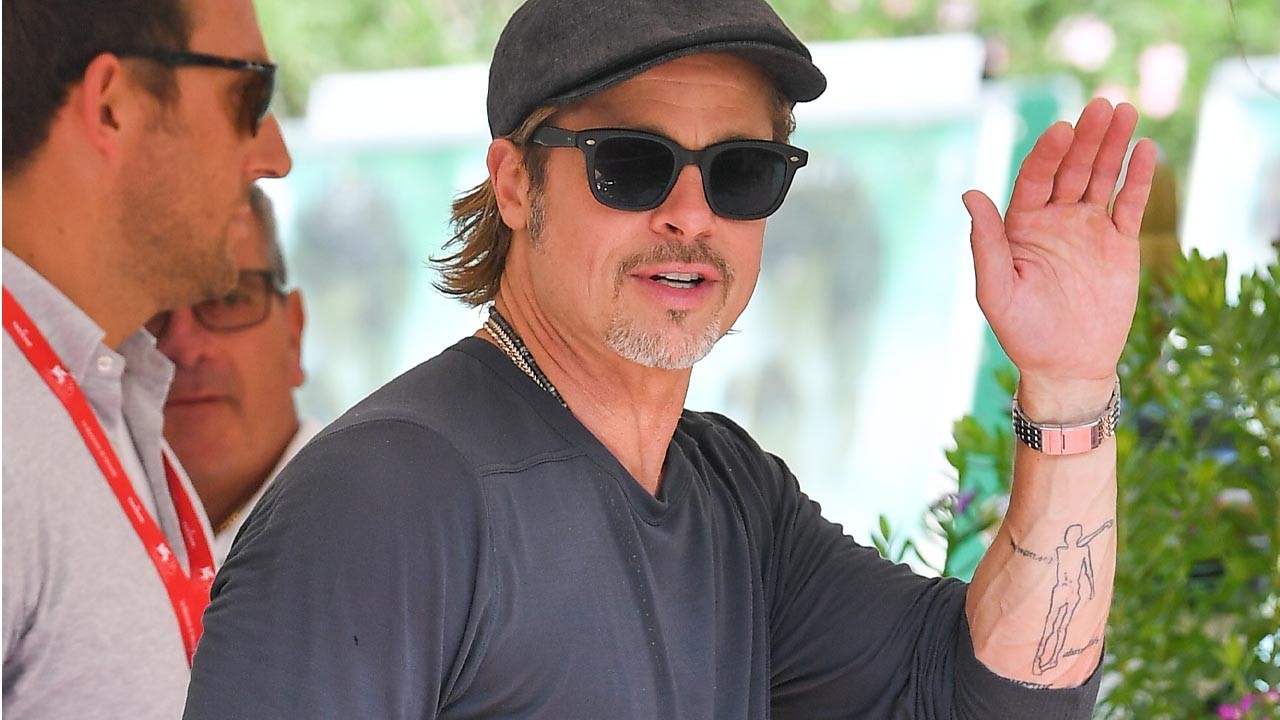
Brad Pitt’s Mysterious ‘Invictus’ Tattoo: The Story Behind the Ink
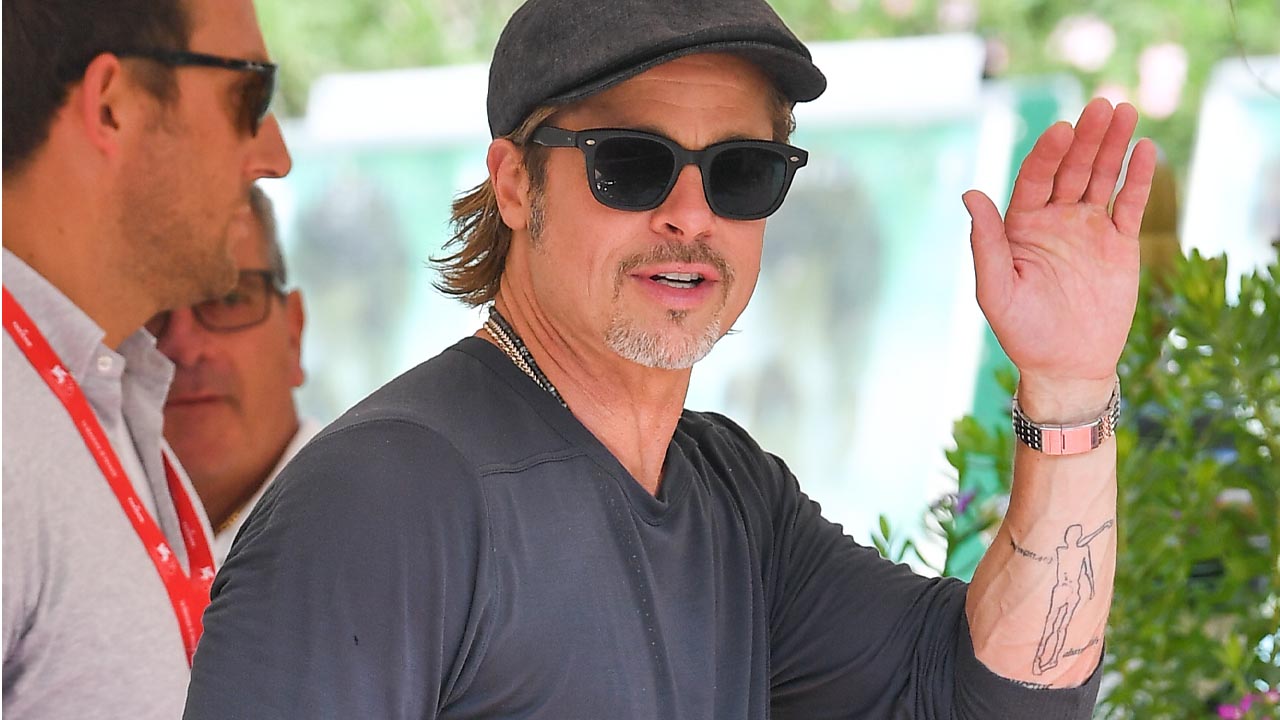
Brad Pitt is a renowned actor whose personal style and choices often command public attention. Among the many tattoos that Pitt has acquired over the years, a recent piece of ink on his forearm has sparked significant curiosity among fans and cultural observers. This tattoo, a simple outline of a figure with the word “Invictus” inscribed beneath it, is the subject of intense speculation, blending celebrity culture with ancient history and literary symbolism.
The Nature and Significance of Tattoos
Tattoos have served as a form of expression and identity for thousands of years. People get tattoos for a range of reasons: to commemorate important events, signify their affiliations, express their beliefs, or simply for artistic appreciation. For some, tattoos serve as personal reminders of triumph, grief, or transformation. For celebrities, body art can hold additional layers of meaning, acting as a signature on their public persona and a method for connecting with their audiences.
Brad Pitt is no exception to this phenomenon. Throughout his career, the actor has sported a variety of tattoos, each shrouded in a degree of mystery and speculation. His latest ink on the left forearm has become the topic of widespread discussion, partially because its meaning is ambiguous and has never been directly explained by Pitt himself.
Unveiling the Tattoo: Outline of a Figure and ‘Invictus’
At first glance, the tattoo appears straightforward. It consists of a minimalist outline of a man’s figure, accompanied by the word “Invictus.” While minimalist tattoos are popular, fans have noticed the specific shape and context of Pitt’s ink and have feverishly dissected its possible meaning on social media platforms and online forums.
One Twitter user sought clarification from Grok, an AI chatbot known for providing quick cultural, historical, and factual insights. According to reports from UNILAD, Grok responded that the enigmatic figure represents Ötzi the Iceman—a 5,300-year-old Alpine mummy who himself bore tattoos—and the word “Invictus,” Latin for “unconquered,” alluding to resilience and strength.
Who Is Ötzi the Iceman?
Ötzi the Iceman is one of the most famous and well-preserved ancient mummies ever discovered. Unearthed in 1991 by hikers in the Ötztal Alps on the Austrian-Italian border, Ötzi’s frozen remains date back over 5,000 years. The discovery revolutionized the study of prehistoric humans, shedding light on European Copper Age society, health, and technology.
Ötzi’s body, along with the artifacts found with him, is now housed at the South Tyrol Museum of Archaeology in Bolzano, Italy. Extensive research into Ötzi’s physical condition has revealed details about his diet, the clothing he wore, and the injuries he sustained, ultimately leading to theories about the violent circumstances surrounding his death. The tattoos on Ötzi’s own body have been the subject of scientific investigation, believed by some researchers to be therapeutic or symbolic in nature.
By choosing Ötzi’s outline for his own tattoo, Pitt aligns his personal symbolism with this ancient story of endurance and mystery. This reference carries a subtle but powerful nod to both historical resilience and the inexplicable aspects of the human journey.
The Meaning of ‘Invictus’
The second element of Pitt’s tattoo, the word “Invictus,” is steeped in history. It is derived from Latin, translating as “unconquered” or “invincible.” The word is widely recognized due to its association with the classic poem by William Ernest Henley. Written in 1875, “Invictus” speaks of unwavering resolve and resilience in the face of adversity:
Out of the night that covers me,
Black as the pit from pole to pole,
I thank whatever gods may be
For my unconquerable soul.
Henley’s words have inspired many to persevere during difficult times. The poem was cited by Nelson Mandela during his years of imprisonment and has become a universal symbol of courage and the belief in personal agency. By emblazoning “Invictus” beneath Ötzi’s outline, Pitt invokes a dual legacy of historical endurance and literary inspiration.
Brad Pitt and Tattoo Symbolism
As a public figure, Brad Pitt rarely provides detailed explanations about his tattoos, preferring to leave their interpretations open. This approach encourages fans and media to speculate, drawing connections between Pitt’s roles, life events, and the imagery he chooses to display. Pitt’s tattoos often signal transitions, memorialize personal or professional achievements, and channel broader themes that resonate with his persona.
The actor’s interest in ambiguous or historical symbolism is well-documented. Whether it be runes, significant dates, or outlines of figures, Pitt’s tattoos typically possess an understated elegance coupled with multifaceted meaning. This newest tattoo is a prime example—simple in appearance yet layered with cultural, historical, and philosophical references.
The Role of AI and Social Media in Decoding Celebrity Symbols
The internet’s engagement with Pitt’s tattoo illustrates the role modern technology plays in shaping public understanding of celebrity culture. AI chatbots like Grok have become instrumental in interpreting symbols, providing explanations that blend historical knowledge with contemporary context. These tools allow for collective speculation and instant access to information, amplifying the intensity and speed of public discourse.
However, the ultimate meaning of Pitt’s tattoo remains shrouded in ambiguity as the actor has not publicly commented on its significance. Without a personal statement, the tattoo becomes a canvas onto which fans project their own interpretations—whether as a symbol of resilience, a link to ancient history, or simply as a piece of minimalist art.
International and Societal Reactions
The fascination with Pitt’s tattoo extends beyond mere celebrity gossip. International media outlets analyze its components—with Italian press emphasizing the Ötzi connection, and English-language outlets highlighting the literary significance of “Invictus.” Fans and cultural critics alike debate the tattoo’s possible meanings, leading to discussions about tattoo culture, celebrity identity, and the connections between past and present.
Moreover, the attention on Pitt’s tattoo brings awareness to Ötzi’s story, reinforcing the ongoing scientific research and museum exhibitions that educate the public about prehistoric life. Tattoo professionals also weigh in, noting the trend toward minimalist and meaningful designs among both celebrities and the wider population.
The Enduring Secret of Pitt’s Tattoo
While AI and internet sleuths offer plenty of plausible explanations, Pitt’s silence on the personal significance of his tattoo preserves its mystique. Like many pieces of art, the tattoo’s true meaning may lie in the eye of the beholder. It might represent a personal journey, a tribute to endurance, or a reflection on mortality and legacy. By referencing Ötzi and “Invictus,” Pitt’s tattoo suggests a layered narrative of unconquered spirit, human persistence, and the mysteries of both history and celebrity life.
The story behind Brad Pitt’s tattoo reminds us that body art is often more than skin deep. Whether an expression of resilience, a nod to ancient roots, or a quiet statement of self—its significance endures, inviting ongoing interpretation and appreciation.
Conclusion
The dialogue surrounding Brad Pitt’s enigmatic tattoo exemplifies how modern society blends ancient history, literary tradition, and digital technology to search for meaning in celebrity choices. By engaging with symbols like Ötzi the Iceman and “Invictus,” the public not only celebrates Pitt’s style but also explores broader themes of endurance and self-determination. Until Pitt himself speaks, the meaning remains open—an intriguing mystery at the intersection of art, history, and fame.
Sources
Disclaimer: This content is intended for entertainment purposes only and is not based on real events.