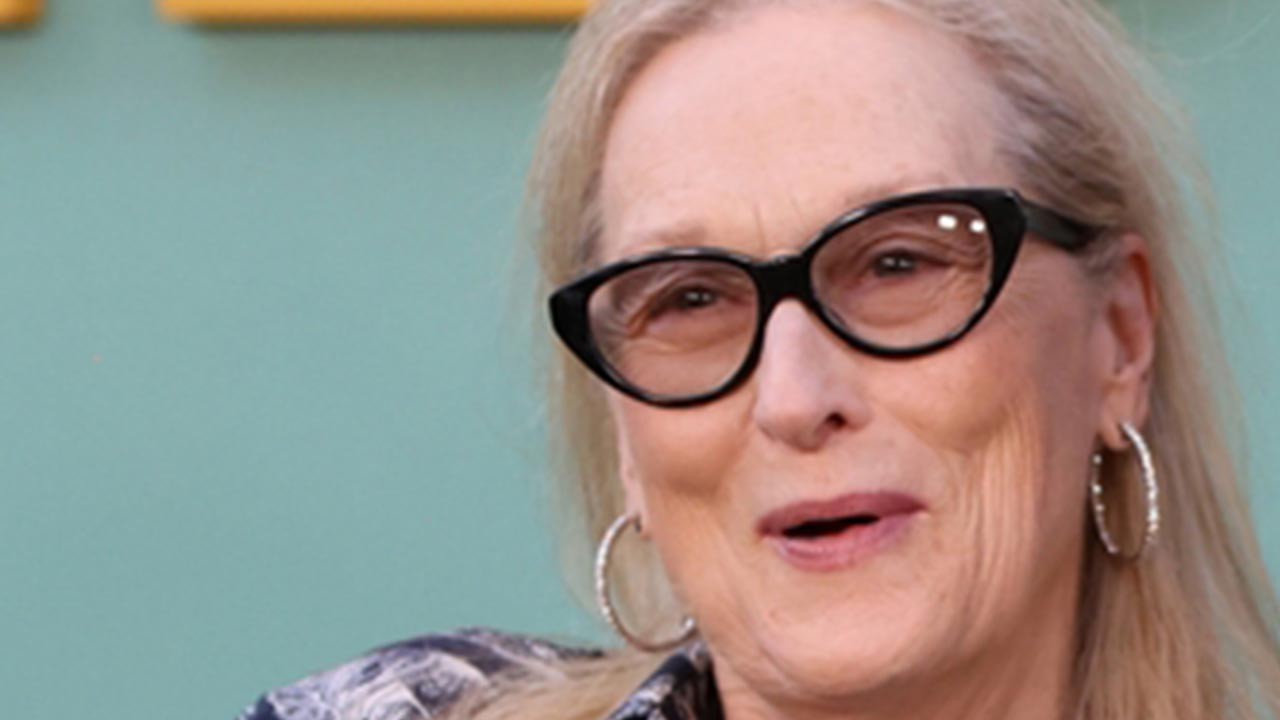
Meryl Streep’s Casting as Aslan in Greta Gerwig’s Narnia Adaptation Sparks Debate
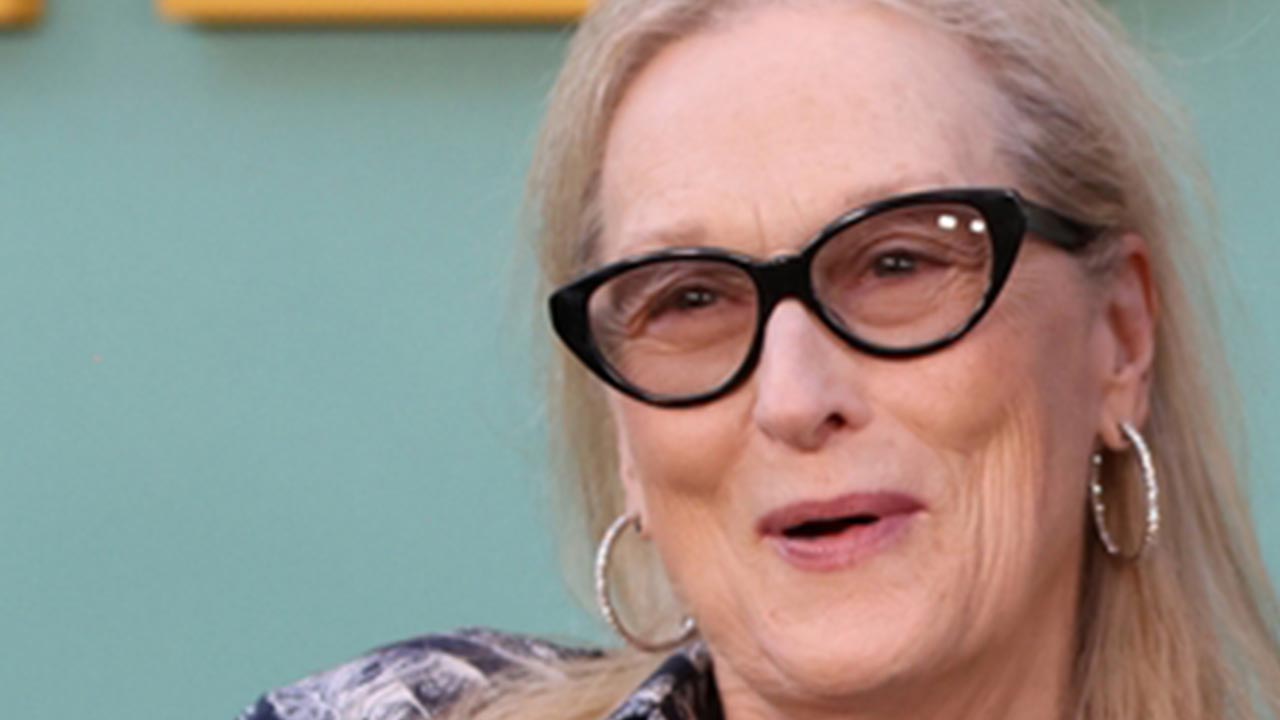
Meryl Streep’s casting as Aslan in Greta Gerwig’s new adaptation of The Chronicles of Narnia: The Magician’s Nephew has generated widespread attention and discussion. Critics have expressed concern over the selection of a female actor to voice a character traditionally aligned with male symbolism, particularly due to Aslan’s religious underpinnings. This article examines the origins of Aslan, Gerwig’s rationale for her casting choice, the nature of the backlash, and broader reactions from cultural and religious communities, all within a framework of factual reporting and analysis based on credible sources.
The Significance of Aslan in C.S. Lewis’s Narnia Universe
Since its initial publication, C.S. Lewis’s Chronicles of Narnia series has captivated generations with its blend of fantasy and allegorical storytelling. Among the seven novels, Aslan stands as the iconic guardian and creator of Narnia, a figure of wisdom, power, and sacrificial love.
Lewis, a committed Anglican, maintained that his books were not strictly Christian allegories. Instead, he invited readers to see them as “suppositions,” a subtle reimagining of how Christ’s presence might manifest in another world. Aslan, the majestic lion, embodies this creative concept, particularly in The Lion, the Witch and the Wardrobe, where his sacrifice and subsequent resurrection parallel Christian theology.
In The Magician’s Nephew, Aslan’s role expands to an even more foundational level, singing Narnia into existence and shaping its destiny—a narrative element that resonates deeply with Lewis’s vision of spiritual and moral leadership.
Greta Gerwig’s Vision and Artistic Motivation
Greta Gerwig, the acclaimed director behind Barbie and Little Women, is steering her reported $280 million adaptation of The Magician’s Nephew for Netflix with a distinctly creative approach. In interviews, Gerwig emphasized the need for a portrayal of Aslan that encapsulates the lion’s depth, warmth, and authority, without tipping into rigidity or self-importance.
Speaking to Empire magazine, Gerwig described her search:
- “I wanted someone who was profound but not pretentious, with gravitas but not morose self-seriousness.”
- “Someone with wisdom of experience, ideally older than 70, but with the capacity for fresh wonder. And also, to be one of the greatest actors to ever do it. That list is not a long one.”
Gerwig ultimately chose Meryl Streep, reuniting her with the celebrated actor after their previous collaboration on Little Women (2019). Streep’s decades-spanning career and ability to access joy, pathos, and gravitas were central to the director’s reasoning.
The Tradition of Aslan’s Portrayal
In the history of screen adaptations, Aslan has consistently been voiced by male actors. Notably, Liam Neeson brought his distinctive tone to the role in the films released between 2005 and 2010, reinforcing the lion’s majestic persona and maintaining the textual fidelity to Lewis’s depiction as a male character.
Gerwig’s decision marks a clear departure from this tradition, inviting both cinematic innovation and controversy. Streep, now 77 years old and holder of three Academy Awards, was tasked with capturing Aslan’s balance of compassion, wisdom, and terrifying power.
Religious and Cultural Concerns Regarding Aslan’s Gender
The casting choice has stirred passionate debate, particularly within sectors of Lewis’s Christian readership. Aslan, designed by Lewis as an incarnation of Christ for the Narnian universe, is repeatedly referenced as “he” throughout the books, and his identity as the Son of the Emperor-Beyond-the-Sea is key to his allegorical role.
Some critics worry that a female voice might reinterpret, or even undermine, Lewis’s intent. Texas preacher David Fairchild commented:
“Lewis explicitly conceived of Aslan as what Christ might be like if the Son of God entered a world like Narnia. Giving Aslan a female voice isn’t daring or profound or some brilliant act of creative genius – it’s an act of creative vandalism.” (link)
Gerwig’s adaptation further distinguishes its visual design, drawing reported inspiration from David Bowie: Aslan will feature heterochromic eyes and a red stripe across his face, aligning with Gerwig’s vision for a “revolutionary rock’n’roll” aesthetic.
“Aslan isn’t some generic figure with an interchangeable identity. He’s male. Lewis wrote him as male. He’s repeatedly called ‘he.’ He’s a king, not a queen. He’s the Son of the Emperor-Beyond-the-Sea,” Fairchild continued, voicing concerns that the adaptation is driven by ideology.
Social Media Reactions: Passion and Debate
The public response to the casting announcement has unfolded online, especially in comment sections and platforms such as X (formerly Twitter). Some criticisms have centered around religious and gender identity themes, while others focus on the fidelity to Lewis’s original characterization.
🚨WORLD-EXCLUSIVE FIRST LOOK 🚨
Greta Gerwig opens the doors to Narnia: The Magician’s Nephew in the new issue of Empire – detailing her revolutionary rock’n’roll adaptation.
Here’s your first look at Aslan – and he’s voiced by the legendary Meryl Streep.
On sale Thurs… pic.twitter.com/zsXC1yRkJD
— Empire (@empiremagazine) September 17, 2026
Evangelical influencer Jackie Chea accused Gerwig of using the casting to make a “feminist statement,” raising questions about the director’s motivations and interpretation of Narnian themes (link).
Other online reactions included statements such as:
- Criticism: “It doesn’t even make sense why a MALE LION would sound like Meryl Streep! It’s ridiculous!”
- Concern: “They want to make God trans. Run as far away from Hollywood as you can.”
- Disappointment: “Is there anything left out there that’s not been, isn’t and will not be ruined by the orcs of the Era of Woke?”
Counter to these voices, some users defended Gerwig’s creative freedom, referencing the historical convention in Elizabethan theater, where men played female roles due to legal restrictions. A user observed: “All you butthurt folks would spontaneously combust if you were sent back to Shakespeare’s time and saw who played Juliet…” This reflects the ongoing conversation about the evolution of casting practices and the interplay between tradition and modernity in cinema and theater.
Cinematic and Literary Context: Expert Views and Industry Analysis
Film industry experts emphasize that reinterpretation is a natural aspect of adaptation. Literary scholar and Lewis specialist Dr. Devin Brown notes that while fidelity to source material is important, reinterpretation can also spark new audience engagement and dialogue. Casting choices in major adaptations often reflect directors’ priorities, evolving social norms, and broader efforts at inclusiveness in media.
Gerwig’s vision for Narnia fits within a wider trend in Hollywood to challenge established archetypes, test boundaries, and invite fresh perspectives. In many classic stories, character gender roles and voice portrayals have shifted to accommodate changing societal attitudes, as seen in reimagined productions from Shakespeare to modern Broadway. The degree to which such changes affect story reception often depends on the cultural context and the way creative choices are explained and executed.
At the same time, critics underscore that characters with strong allegorical meaning, such as Aslan, warrant particular sensitivity. The intersection of literature, faith, and media adaptation is sufficiently complex that each reinterpretation raises substantive questions, both artistic and philosophical.
International and Societal Responses
The debate over Streep’s casting is not limited to English-speaking audiences or Christian readers. Internationally, fans of fantasy literature and cinema have reflected on the adaptation’s potential impact. In online forums, some have taken a wait-and-see attitude, expressing eagerness to observe how Gerwig integrates Streep’s voice and persona with the established lore.
Others, especially those for whom the series holds personal meaning, have articulated hope for a respectful treatment of Lewis’s vision, regardless of gender casting decisions. At the same time, the debate signals wider societal questions about representation, creative adaptation, and the evolving landscape of popular culture.
Looking Ahead: Narnia’s Place in Modern Adaptation
The adaptation of The Magician’s Nephew with Meryl Streep as Aslan is shaping up to be one of the year’s most anticipated and contentious film projects. While Gerwig’s vision has attracted criticism, it has also generated curiosity and excitement among those who welcome fresh creative approaches to classic narratives.
Regardless of the outcome, the debate highlights how beloved stories can inspire passionate dialogue about artistic interpretation, faith, and evolving social values. As production continues and promotional material emerges, viewers and fans will be able to judge for themselves whether Streep’s performance resonates with Aslan’s storied role in Narnia.
Join the Conversation
What do you think about Meryl Streep voicing Aslan? Does the change represent a bold artistic decision, or is it a departure from tradition that warrants concern? Share your thoughts, and continue the conversation about the evolving nature of literary and cinematic adaptation.
Further Reading
Sources
Disclaimer: This content is intended for entertainment purposes only and is not based on real events.