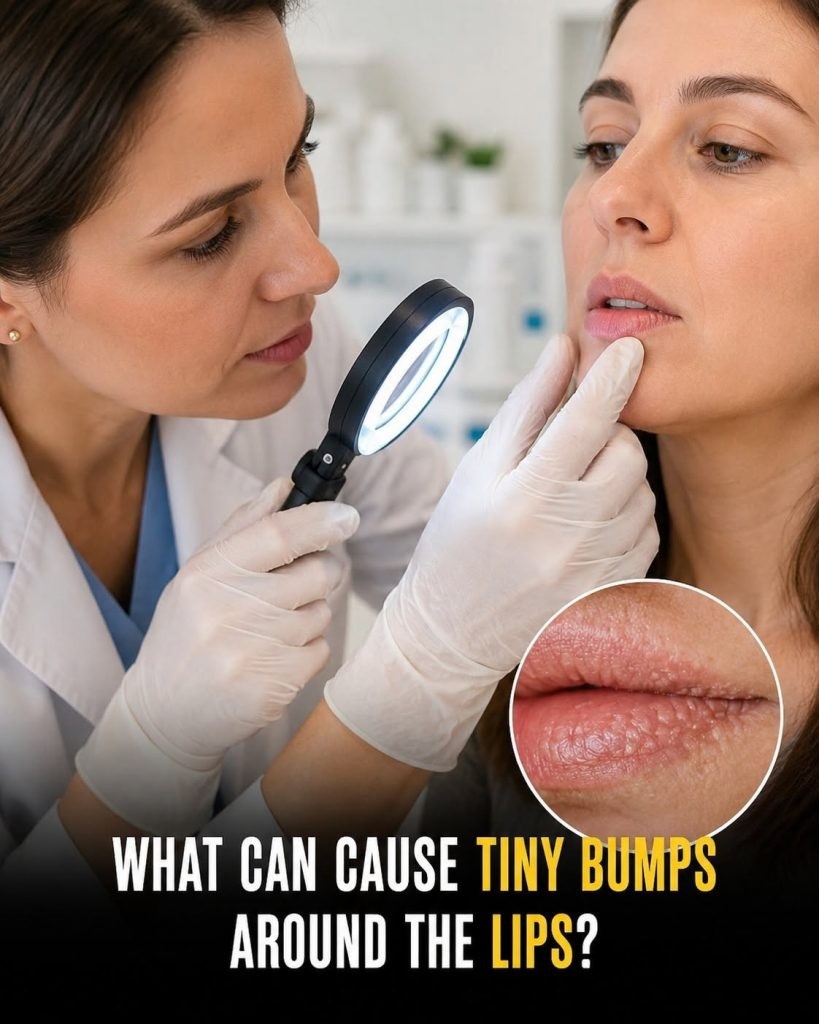
Small White Bumps on the Lips or Intimate Area: Causes and When to Seek Care
Discovering small white bumps on the lips or intimate area can be unsettling. While these bumps are often benign and result from harmless conditions, it is natural to feel concerned about changes in sensitive areas of the body. Understanding the possible causes, risk factors, and when to seek medical advice is crucial for maintaining both peace of mind and skin health.
Understanding White Bumps: An Overview
Small, white bumps that develop on the lips or intimate parts of the body have a variety of explanations. Most typically they are not a sign of serious illness or infection. Frequently, they represent normal anatomical variations, mild irritation, or minor skin reactions. Knowing what characterizes harmless bumps versus those that may require professional attention is a helpful first step in managing skin health.
Common Causes of White Bumps on the Lips and Intimate Area
Fordyce Spots
Among the most common and well-documented causes of small white or yellowish bumps on the lips and genitals are Fordyce spots. These are small, visible sebaceous (oil) glands present in most individuals’ skin. They typically measure 1-3mm in diameter, are painless, and are not associated with any disease or infection.
Fordyce spots generally appear on the inner border of the lips or along the shaft of the penis or the labia in women. Medical experts emphasize that Fordyce spots are a natural anatomical feature. They are not contagious, do not result from poor hygiene, and do not require medical treatment. For aesthetic reasons, some people seek dermatological advice regarding Fordyce spots, but removal is not medically necessary.
Clogged Pores and Blocked Oil Glands
Another very common cause of small white bumps is the clogging of pores or blockage of oil glands. This can happen if sweat, sebum, and dead skin cells accumulate on the skin’s surface. The routine use of heavy lip products such as balms, glosses, or lipstick can contribute to clogged pores on the lips. In the intimate area, friction from tight clothing, synthetic fabrics, or shaving may encourage blockages as well.
Blocked oil or sweat glands may become apparent as tiny white bumps. While mostly harmless, if irritation persists, it can lead to discomfort or infection.
Contact Dermatitis and Mild Skin Irritation
The lips and genital skin are delicate and can react to a range of external factors. Contact dermatitis occurs when these sensitive areas come in contact with irritants or allergens. Common triggers include:
- Certain cosmetics and lip care products
- Perfumed soaps or detergents
- Latex condoms or synthetic fabrics
- Hygiene products with fragrances or harsh chemicals
Contact dermatitis may present as small red or white bumps, with or without itching and mild redness. Fortunately, the issue often resolves by identifying and avoiding the irritant.
Minor Infections
In some cases, small white bumps may arise due to minor bacterial or fungal infections. These are more likely to occur if the skin barrier is compromised—such as after shaving, waxing, or injury to the skin—because bacteria or fungi find it easier to establish infection. Such bumps might be surrounded by mild redness or sensitivity and can clear up once the underlying irritation and inflammation resolve.
Maintaining good hygiene, wearing breathable fabrics, and avoiding aggressive hair removal practices can help reduce the risk of such infections.
Less Common and Concerning Causes
While most white bumps in these areas are harmless, some may signal underlying health concerns. The following factors should be considered, especially if the bumps persist, grow, or are accompanied by other symptoms.
- Cysts: Sebaceous cysts can occur when an oil gland or hair follicle becomes blocked, leading to small, raised white or yellow lumps beneath the skin’s surface. These cysts are usually painless but may become tender if inflamed or infected.
- Molluscum Contagiosum: This viral skin condition is characterized by tiny, flesh-colored or white bumps that may appear on the lips, genitals, or elsewhere. It is generally spread through direct skin contact; affected bumps may persist for many months.
- Sexually Transmitted Infections (STIs): Some STIs (such as genital herpes or human papillomavirus, HPV) may appear as bumps, though these usually present with additional symptoms like pain, itching, or ulcers. Not all white or red bumps are caused by STIs, but unexplained, persistent changes should be evaluated by a healthcare provider.
- Oral Thrush (Candidiasis): In the mouth, white spots, patches, or bumps can result from a yeast infection, particularly in immunocompromised individuals, people taking antibiotics, or those with diabetes.
When to Seek Medical Evaluation
Isolated, painless, and non-changing white bumps rarely signal a serious problem, but you should seek professional medical advice if you experience:
- Bumps that are painful, itchy, or spreading
- Sores, blisters, or ulceration around the area
- Confusing discharge, bleeding, or foul odor
- Swelling, redness, warmth, or other signs of active infection
- Bumps that persist beyond two to four weeks despite home care
- Changes in color, size, or texture of the bumps
- Fever or enlarged lymph nodes accompanying the skin changes
A healthcare provider can perform a thorough examination, take a medical history, and order tests if necessary to determine the underlying cause and recommend appropriate care or treatment.
Safe Home Care and Prevention Tips
Most cases of small white bumps on the lips or intimate area do not require aggressive intervention. The following tips can help maintain healthy skin and encourage natural healing:
- Avoid touching, squeezing, or picking at bumps to reduce the risk of irritation, infection, or scarring.
- Use gentle, fragrance-free cleansers for daily washing of sensitive areas.
- Wear loose, breathable clothing and avoid prolonged moisture or sweat exposure.
- Keep the area dry after exercise or bathing, and avoid harsh scrubbing.
- Discontinue use of lip care or personal hygiene products that cause irritation.
- Shave gently if needed, using a clean blade and moisturizing well afterwards.
- Use hypoallergenic products when possible and patch-test new items on a small area of skin first.
If medication or topical treatments are needed, these should be used based on a healthcare provider’s recommendation.
The Psychological Impact and Social Concerns
Because white bumps can appear in intimate or visible locations like the lips, they may cause embarrassment or emotional distress. It is important to emphasize that Fordyce spots and most other benign lesions are a normal part of human anatomy and not an indicator of infection, poor hygiene, or transmissible disease. Open, judgment-free discussions with healthcare professionals are encouraged so proper explanations and reassurance can be provided.
Misconceptions and stigma around natural skin variations sometimes discourage individuals from seeking care. Trusted medical sources reinforce that investigation and reassurance are always warranted if you are worried or uncertain about a skin change.
Expert Views and International Perspective
Dermatologists and sexual health experts around the world consistently report that the overwhelming majority of isolated white bumps on the lips or genital area are benign. Many medical guidelines recommend observation and avoidance of unnecessary interventions.
On a broader scale, public health agencies emphasize education, awareness, and the reduction of stigma associated with these normal skin changes. Promoting accurate information helps individuals make empowered decisions about their health and seek appropriate help without fear of embarrassment or discrimination.
Summary
Small white bumps on the lips or intimate area are common and usually harmless. They are mostly explained by Fordyce spots, blocked pores, or mild irritation, and do not generally require treatment. Rarely, persistent or unusual bumps may be caused by infections or other health issues, in which case medical evaluation can provide clarity and peace of mind. Avoid manipulating the area, practice gentle self-care, and consult a healthcare provider if you notice worrisome or lasting changes. Through informed awareness and medical support, most concerns can be managed safely and effectively.
Sources
- Mayo Clinic: Fordyce spots
- CDC: Sexually Transmitted Diseases – Fact Sheets
- American Academy of Dermatology: Molluscum Contagiosum Overview
- NHS: Contact Dermatitis
- WebMD: Skin Bumps, Lumps, and Cysts
- BBC Health: What are the white spots on my lips?
Disclaimer: This content is intended for entertainment purposes only and is not based on real events.