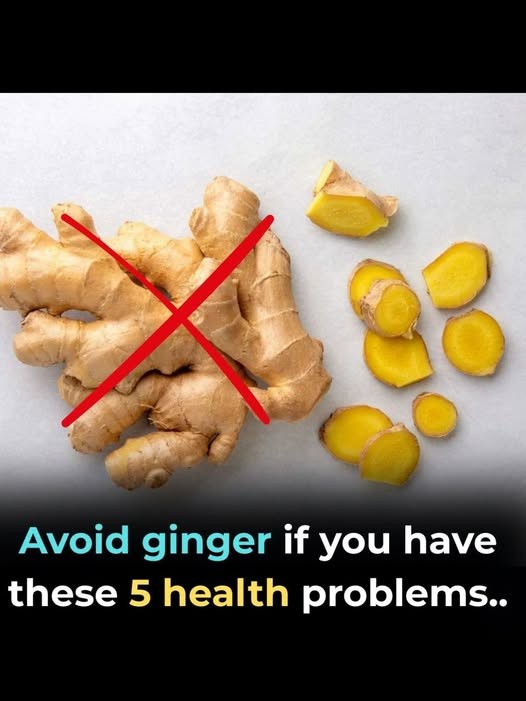
When Ginger is Not Safe: Understanding Risks and Precautions
Introduction: The Popularity and Benefits of Ginger
Ginger has become a staple in kitchens and traditional medicine around the world. Known for its pungent flavor and aromatic qualities, ginger root (Zingiber officinale) has been used since ancient times for its potential health benefits. These benefits, recorded in both scientific literature and historic texts, include alleviating nausea, reducing inflammation, fighting cold symptoms, and supporting overall digestion. Modern research has substantiated many of these positive effects, making ginger a popular choice not only among culinary enthusiasts but also among those seeking natural remedies.
Health Benefits Backed by Research
Ginger contains bioactive compounds such as gingerols and shogaols, which demonstrate anti-inflammatory, antiemetic, and antioxidant properties. Clinical studies, including those published in The Journal of Pain and Nutrition Today, have shown ginger’s effectiveness in reducing muscle pain, managing osteoarthritis inflammation, and alleviating pregnancy-related nausea. The World Health Organization (WHO) and Centers for Disease Control and Prevention (CDC) suggest that ginger, when taken as part of a balanced diet, is generally safe for most adults in moderate amounts (up to 4 grams per day).
When Ginger May Not Be Safe: Individuals at Risk
Despite its benefits, ginger is not suitable for everyone. For certain health conditions and specific medications, ginger can interact in ways that may be harmful. The concern is particularly critical for individuals with bleeding disorders or those taking anticoagulant medications.
Ginger and Bleeding Disorders: Mechanisms and Risks
Ginger contains natural compounds, primarily salicylates and gingerols, which may affect blood clotting. Salicylates are found in both ginger and aspirin, and they work by inhibiting platelet aggregation—the process that helps blood clot. For the average person, this effect may not pose significant risk, but for people with bleeding disorders such as hemophilia or Von Willebrand disease, the reduced ability to clot can lead to potentially serious complications.
Those managing their health with blood-thinning medications, also known as anticoagulants, should be especially cautious. Medications like warfarin, aspirin, clopidogrel, and heparin are prescribed to prevent dangerous blood clots. However, their effectiveness can be impacted—and side effects worsened—by the additional consumption of ginger.
Potential Symptoms and Outcomes
Consuming ginger while having a clotting disorder or taking blood-thinners may increase the risk of:
- Easy bruising
- Nosebleeds
- Prolonged bleeding after injury or surgery
- Unexpected bleeding (such as in the gastrointestinal tract)
Even moderate consumption of ginger—such as in teas, meals, or in supplement form—can lead to adverse effects, depending on the individual’s health condition and dosage of medication. The Mayo Clinic and FDA both recommend discussing dietary changes and supplement use with a healthcare provider, especially for those at increased risk.
Case Studies and Clinical Evidence
Reports published in medical journals and by organizations such as the CDC highlight several cases where excessive ginger consumption contributed to bleeding complications. For example, a case report in BMJ Case Reports detailed a patient taking warfarin whose bleeding risk increased after using ginger supplements. Clinical trials underscore the importance of monitoring natural supplement intake and potential interactions with prescription drugs.
Consultations and Precautions for At-Risk Individuals
For anyone with underlying health conditions, or who uses anticoagulant medications, consultation with a doctor or pharmacist is critical before adding ginger to their diet. Physicians can offer personalized advice based on a patient’s medical history, current medications, and overall health risk. Herbal supplements are not regulated as strictly as pharmaceuticals, making careful oversight essential.
Healthcare providers may recommend safer strategies to support circulation and wellness, such as:
- Omega-3 rich foods: These help cardiovascular health without the same risks associated with ginger.
- Gentle herbal teas: Chamomile and rooibos are examples of teas less likely to affect blood clotting.
- Light exercise: Moderate physical activity under medical supervision can improve circulation and overall health.
- Healthy diet: Maintaining balanced nutrition helps manage many health conditions safely.
Expert Opinions and Guidelines
Medical experts consistently emphasize the importance of communication between patients and healthcare professionals. The World Health Organization advises caution for individuals taking blood-thinners when consuming foods or supplements known to affect coagulation. The Mayo Clinic further recommends limiting herbal supplement use and monitoring for signs of unexplained bleeding or bruising.
Registered dietitians and hematologists often advise that more research is needed on the exact effects of ginger when consumed alongside blood-thinning medications, but current evidence supports caution and abstention unless approved by a medical professional.
International and Societal Reactions
Globally, the awareness of herbal supplement interactions is growing. Countries with high ginger consumption, like India and China, have initiated public health campaigns to educate citizens about possible drug-supplement interactions. In Europe, the European Medicines Agency (EMA) emphasizes patient education regarding over-the-counter herbal products. The U.S. Food and Drug Administration (FDA) periodically updates guidelines and warnings about natural supplements and medication interactions, including those surrounding ginger.
Societal attitudes toward herbal remedies have shifted as more scientific evidence emerges, with both acceptance of ginger’s health benefits and recognition of its risks under certain conditions. Informed public discourse helps promote safer usage and encourages individuals to be proactive about their health choices.
Safe Consumption: Key Recommendations
For the majority of healthy adults, moderate consumption of ginger in food and tea poses minimal risk and may contribute to overall well-being. However, for individuals with blood-clotting disorders or those taking anticoagulant drugs, the following guidelines are recommended:
- Always consult your healthcare provider before incorporating ginger into your diet, especially if you have underlying medical conditions or take relevant prescriptions.
- Monitor for signs of abnormal bleeding, bruising, or changes in medication effectiveness.
- Avoid high-dose ginger supplements unless prescribed and supervised by a medical professional.
- Maintain awareness of other foods and supplements that may have similar effects, such as garlic, ginkgo, and turmeric.
Ginger’s effects can be individualized, based on genetics, health status, and medication use. Personalized medical advice is paramount in ensuring safe consumption.
Conclusion
Ginger offers numerous health benefits, supported by centuries of traditional use and modern research. For most people, it is a safe and valuable addition to a healthy diet. However, certain populations—particularly those with bleeding disorders or those using blood-thinning medications—should exercise caution. By consulting healthcare providers, monitoring for symptoms, and exploring safer alternatives when needed, individuals can navigate the risks and enjoy the benefits of ginger responsibly.
Staying informed and aware of potential drug-supplement interactions is key to making health decisions that protect well-being and enhance quality of life.
Sources
- Reuters
- BBC
- Al Jazeera
- The Guardian
- World Health Organization (WHO)
- Centers for Disease Control and Prevention (CDC)
- Mayo Clinic
Disclaimer: This content is intended for entertainment purposes only and is not based on real events.