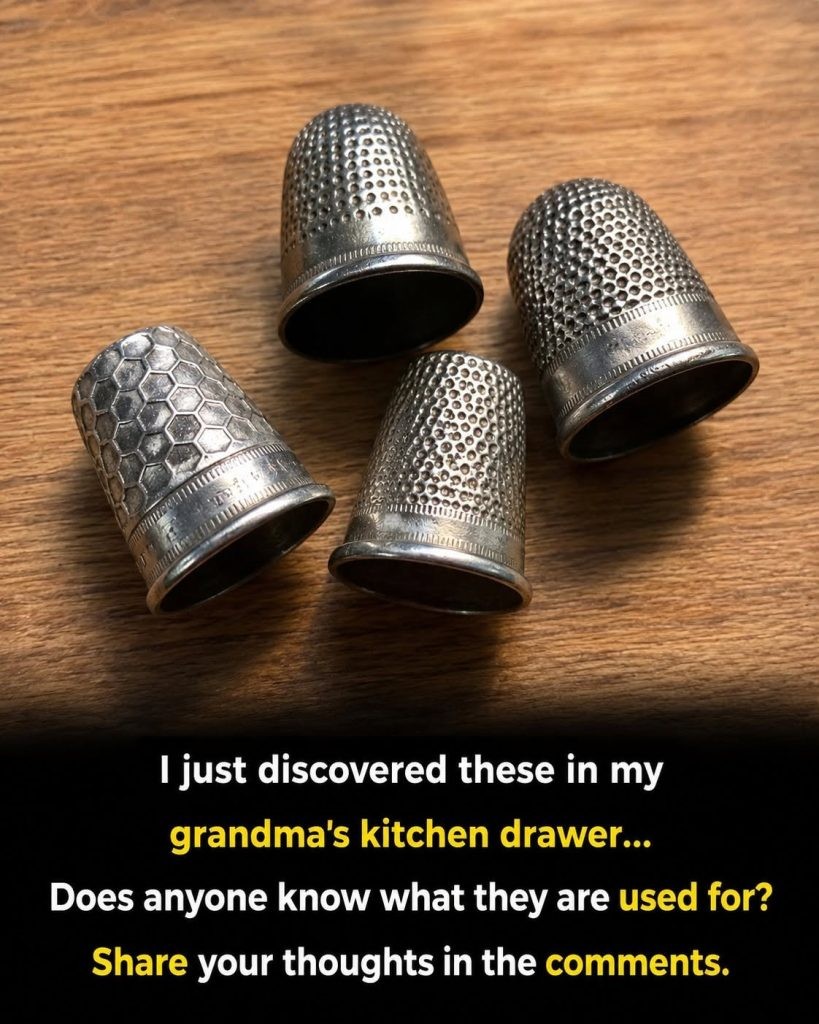
The Timeless History and Evolution of the Thimble
Introduction: The Humble Thimble and Its Significance
The thimble, commonly recognized as a simple tool for sewing, has a long and intricate history that spans continents, cultures, and centuries. Far more than a utilitarian object, the thimble has evolved into a symbol of craftsmanship, creativity, and tradition. Its enduring relevance traces the progress of human ingenuity in the craft world, reflecting advances in materials science, manufacturing, and cultural practices. This article explores the thimble’s historical development, its diverse forms and functions, societal impact, and its place in both modern craft and collectible culture.
Ancient Origins: Early Forms of Finger Protection
Archaeological studies suggest that the concept of finger protection during sewing dates back thousands of years. Evidence from prehistoric sites reveals that early humans fashioned rudimentary finger guards from bone, stone, or ivory to aid in pushing needles through animal hides and leather. These tools were essential for survival, allowing communities to create garments and shelter materials that were both durable and protective. Unlike the sophisticated thimbles of later eras, these primitive tools were usually hand-carved, fitting loosely over the finger, and provided basic protection against puncture injuries.
As civilizations advanced, so did the need for more effective and durable sewing tools. By around 100 AD, the Romans had introduced bronze thimbles, an innovation that significantly improved both the durability and usability of the implement. Similar evidence points to early thimbles in ancient China and other regions, demonstrating the global necessity for such tools in societies dependent on hand stitching.
Formation and Function in Ancient Civilizations
The ancient Roman thimbles were typically crafted from bronze by skilled metalworkers. These early versions were handmade and focused primarily on longevity and practicality rather than aesthetics. Archaeological finds indicate that Roman thimbles were used in domestic as well as military settings, aiding in tasks ranging from clothing repair to tent maintenance. In parallel, artifacts in China show the presence of thimble-like finger protection, highlighting the widespread adoption of the tool across early civilizations.
Throughout these early periods, the thimble’s design remained relatively simple, reflecting its sole purpose: to protect fingers from needle damage during sewing. The use of durable materials like bronze, bone, or stone ensured their lasting utility. These thimbles offered insight into early manufacturing processes, showcasing the resourcefulness and adaptability of ancient societies.
The Middle Ages: Expanded Utility and European Craftsmanship
The thimble became increasingly common across Europe during the Middle Ages. By the 14th century, it had firmly established itself as an essential tool for tailors, embroiderers, and leather workers. Early European thimbles were typically made from brass or bronze, shaped either through casting or by hammering metal sheets. These craft techniques marked the beginning of mass production in the thimble’s history, allowing for greater accessibility and standardization of quality.
During this period, thimbles were produced for purely practical reasons. The designs focused on ergonomic efficiency, ensuring ease of use for artisans who spent hours stitching by hand. As sewing became increasingly vital for domestic life and trade, the thimble’s presence expanded within households, guilds, and workshops.
A Golden Era: Nuremberg’s Thimble Production in the Renaissance
One of the most significant milestones in thimble history occurred during the 15th and 16th centuries in Nuremberg, Germany. Renowned for its metallurgy and skilled craftsmen, Nuremberg became a leading center for thimble manufacturing. Metalworkers developed improved brass alloys and invented new techniques for precision casting and finishing. The result was a thimble that was not only strong and durable but also smooth and comfortable.
This period marked the transformation of thimbles from handmade, variable items into more uniform, standardized tools. Nuremberg thimbles were highly sought after and exported across Europe, contributing to both the economic prosperity of the city and the popularization of the thimble in households of various social classes. The technological advancements achieved in Nuremberg set standards for subsequent manufacturing practices.
Expansion and Decoration: 17th Century Innovations
By the 17th century, thimble production spread widely across Europe, particularly to England and the Netherlands. Advances in metalworking enabled larger-scale production, and improved molds and finishing methods allowed thimbles to become more refined and durable. In addition to functional versions, decorative thimbles began to emerge, crafted from silver, gold, and other precious materials. These luxury thimbles often featured intricate engravings, filigree, and personalized embellishments.
The appearance of decorative thimbles coincided with changes in social customs, where sewing became associated with gentility and domestic refinement. As a result, thimbles started to serve dual purposes: critical tools for everyday craft and status symbols reflecting personal taste and social standing. Ownership of ornate thimbles could signify wealth, family connections, or artistic appreciation, and they often became cherished gifts or keepsakes.
18th and 19th Century: Thimbles as Personal Artifacts and Collectibles
In the centuries that followed, thimbles evolved further in both practical and cultural contexts. The 18th and 19th centuries witnessed a surge in the use of precious metals, gemstones, and personalized designs. Thimbles became popular as commemorative gifts, with special editions produced for weddings, anniversaries, and other notable events. Elaborate engraving and miniature artwork transformed select thimbles into collectable masterpieces, sought openly by aristocrats and collectors alike.
Notably, some thimbles were designed as presentation pieces or tokens of affection, filled with sentimental symbolism. The propensity for collecting grew in the Victorian era, as social gatherings and exhibitions displayed rare and unique thimble designs. Museums and private collections dedicated to thimbles began to emerge, highlighting the object’s role as a touchstone of craft heritage and artistic expression.
The Industrial Revolution and Modern Manufacturing
The Industrial Revolution brought profound changes to thimble production. Mechanization enabled mass production, making thimbles accessible to a wider audience and increasing their presence in homes around the world. Machine stamping, rolling, and plating allowed for greater consistency in sizing and patterns, ensuring that thimbles could be produced rapidly in a variety of metals, including steel, aluminum, and copper alloys.
This era also brought attention to ergonomics, with various shapes and sizes developed to fit different fingers and crafts. Some thimbles in the 19th and 20th centuries featured open tops or adjustable bands, catering to specific tasks such as quilting or embroidery. Scientific and engineering advances improved durability and user comfort, further solidifying the thimble’s reputation as an indispensable sewing accessory.
Modern Times: The Thimble’s Continued Relevance
While machine-sewing dominates the textile industry today, thimbles are far from obsolete. Artisan sewers, quilters, and craft enthusiasts continue to use thimbles to safeguard fingers during delicate work. Specialty thimbles, adapted for different crafts, remain widely available. Many modern thimbles are made with non-metallic materials like plastic or rubber, designed for enhanced comfort and lightness.
The thimble’s enduring appeal has also given rise to vibrant collecting communities. Thimble collectors value rarity, historical authenticity, and craftsmanship, with antique and limited-edition pieces regularly featured in auctions and exhibitions. Museums preserve notable thimbles as examples of historical craft, material culture, and artistic achievement. The digital era has further expanded access, making it possible for enthusiasts to share collections, expertise, and research globally.
Symbolism and Cultural Legacy
Beyond its material function, the thimble embodies a deeper symbolism in many cultures. It represents protection, diligence, and the continuity of handmade traditions. Folklore and literature frequently reference thimbles in tales of industriousness, generosity, and creativity. Occasionally, thimbles are even bestowed as tokens of luck, love, or remembrance.
The thimble’s journey from ancient tool to treasured artifact highlights the evolution of human society and the enduring value of craftsmanship. Its presence in diverse cultures reinforces the universality of sewing as both necessity and art form. Whether as a practical accessory or a collector’s prize, the thimble remains a testament to the power of small tools to shape history, identity, and creative tradition.
Conclusion: The Thimble as a Lasting Icon of Craftsmanship
The history of the thimble is a microcosm of human progress in material culture and craft. From prehistoric finger guards to ornate collectibles, the thimble has adapted to the changing needs, technologies, and aesthetic preferences of each era. Its story illustrates the ingenuity and perseverance of craftsmen and the importance of protecting and nurturing creative tradition. Today, the thimble’s legacy continues in the hands of makers, collectors, and historians who celebrate its contribution to sewing, art, and culture.
Sources
Disclaimer: This content is intended for entertainment purposes only and is not based on real events.