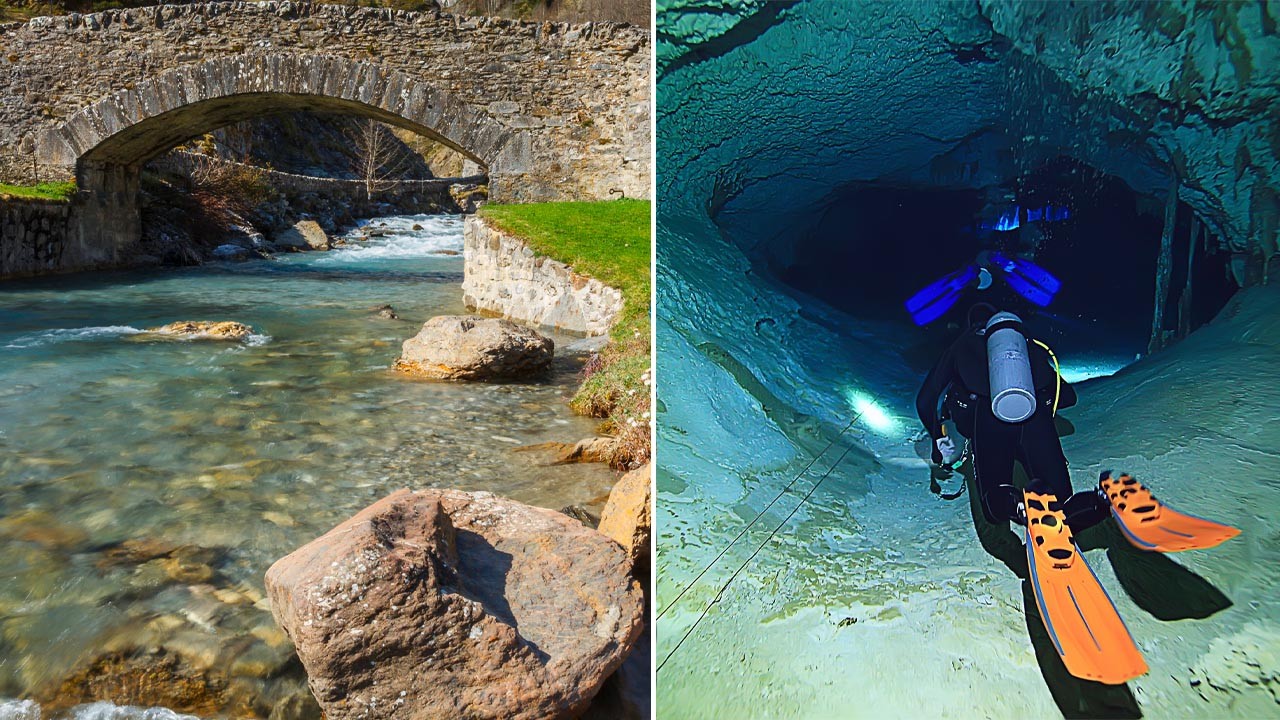
A British Cave Diver Dies After Becoming Trapped in Underwater Cave System in Southwestern France
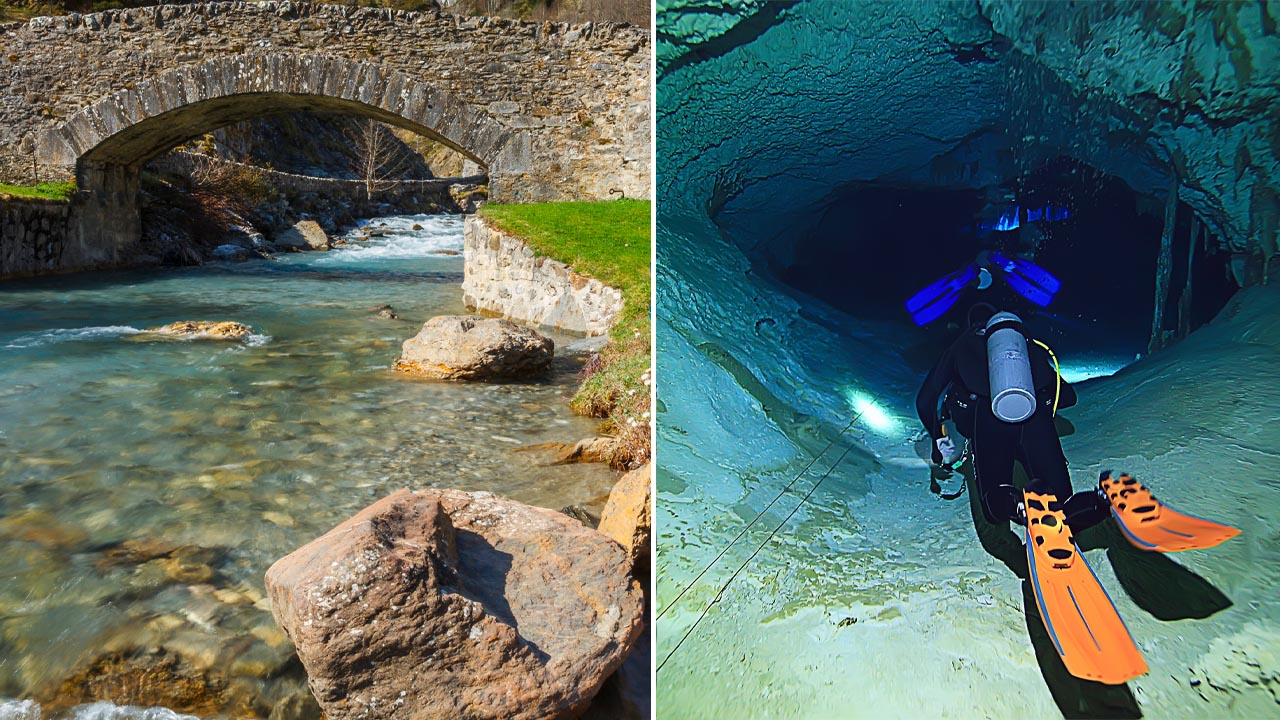
The international cave diving community is mourning the loss of a 43-year-old British diver who tragically died after becoming trapped deep inside an underwater cave system in southwestern France. The incident, which occurred at the renowned Gouffre de Saint-Sauveur near Calès, underscores both the risks and challenges inherent in this exacting sport. Authorities, friends, and experts are now seeking to understand the circumstances surrounding the accident, as rescue and recovery efforts continue amid hazardous conditions.
The Incident: Timeline and Early Reports
On Friday, September 18, the experienced diver entered the Gouffre de Saint-Sauveur as part of a group of eight British cave divers. The site is internationally recognized for its demanding labyrinth of underwater passages, drawing seasoned cavers from across the globe. However, its reputation for technical complexity also means the risks remain ever-present, even for the highly skilled.
According to local media reports, the missing diver’s absence was noted by his companions after he failed to surface by the expected time on Friday evening. Emergency authorities were alerted at approximately 8 p.m. Rescue efforts were immediately launched, with hopes bolstered by the knowledge that the diver had entered the cave with breathing gas adequate for up to eight hours, as well as a backup tank—standard precautions in technical cave diving.
The Underwater Cave: Gouffre de Saint-Sauveur
Nestled near Calès, the Gouffre de Saint-Sauveur is recognized among the cave diving community as a premier, yet perilous, destination. The cave system features interlinked submerged chambers that can reach extreme depths, including the section where the tragedy unfolded, approximately 88 meters (nearly 290 feet) below the surface. Due to its depth, confined passages, and complex layout, the site is typically reserved for divers with specialized training and extensive experience.
The Gouffre de Saint-Sauveur regularly draws international teams who explore its underwater corridors and document its features. However, the narrow sections and entangled guide lines can pose significant obstacles, making navigation and safe return difficult even for experts.
Rescue and Recovery: Efforts and Challenges
Once the alert was raised, French authorities quickly activated the underground-rescue protocols through the ORSEC emergency system (Organisation de la Réponse de Sécurité Civile). Specialized teams, including firefighters and expert cave rescuers, converged on the site. The technical expertise required for such missions is substantial, given the necessity to operate safely at great depth in pitch darkness, cold water, and very confined spaces.
For several hours, rescuers maintained cautious optimism. There was a possibility that the missing diver had located an air pocket—a rare but not impossible scenario in such systems. Extensive search efforts were undertaken, but conditions inside the cave, including silty water, reduced visibility, maze-like passages, and physical obstructions, rendered the search exceptionally challenging.
After two days of dedicated effort, rescue divers discovered the body at a depth of around 88 meters. The diver is believed to have become entangled in a guide line while maneuvering through a particularly narrow and restrictive passage, making self-rescue impossible.
Official Confirmation and Investigative Response
The Cahors public prosecutor Clara Ribeiro confirmed the identification and the location of the diver’s body. Ribeiro clarified that recovery operations were postponed due to the “extremely difficult” nature of the underwater site, highlighting the risks facing even the most skilled cave rescue teams. Preparations are now underway to safely retrieve the body, which may require an extensive and methodical approach given the circumstances.
In accordance with French legal procedure, authorities have opened an investigation into the incident. The aim is to comprehensively assess the chain of events leading to the fatal accident, analyze potential contributing factors, and consider the efficacy of existing safety measures. Such investigations are standard following major accidents in technical recreational activities, and findings are often used to inform updated safety protocols.
Cave Diving: Context, Risks, and Safety
Cave diving is widely recognized as one of the most challenging and hazardous forms of scuba diving, demanding rigorous training, physical fitness, advanced equipment, and precise planning. Divers face unique risks such as disorientation, silt-outs (loss of visibility when fine sediment is disturbed), entanglement, equipment failure, and the ever-present danger of running out of breathable gas far from the surface.
The British Sub-Aqua Club (BSAC) and international agencies like the Cave Diving Group (CDG) and the National Speleological Society Cave Diving Section (NSS-CDS) provide comprehensive guidelines for safe cave diving. These include redundancy in equipment, continuous presence of a guideline to the surface, careful air management, and never diving alone. The diver in this incident reportedly adhered to such protocols, entering with a group and carrying backup supplies.
According to statistics cited by the Cave Diving Group, accidents in cave diving, while rare, are almost always fatal due to the inability to access the surface quickly in an emergency. Most incidents are attributed to running out of gas, becoming lost or trapped, and failure to follow established guidelines.
The International Cave Diving Community Reacts
The tragic incident at Gouffre de Saint-Sauveur has resonated throughout the international diving community. Many divers have expressed condolences to the victim’s friends and family on social media and in online forums, while organizations have reiterated the need for ongoing education and the strict observance of safety measures.
Veteran cave diver and instructor Joe Seldon commented, “This loss is a stark reminder of the unforgiving nature of underwater caves. Even with rigorous preparation and experience, the environment can present unforeseen hazards that are impossible to completely eliminate.”
In the U.K., the British Cave Rescue Council (BCRC) and the Cave Diving Group have offered technical advice and, if needed, support to French rescue authorities. Collaborations between international agencies are common in major incidents, given the shared goal of advancing safety and learning from each event.
Emergency Systems and Rescue Preparedness
France’s ORSEC emergency response system is designed to mobilize specialized resources for complex incidents, such as cave rescues, mine accidents, or large-scale natural disasters. In the case of the Gouffre de Saint-Sauveur, the rapid deployment of experienced teams was critical. Cave rescues differ significantly from open-water or mountain rescues, due in part to the logistical and environmental challenges of accessing victims and maintaining rescuer safety.
Recovery operations in deep underwater caves often involve support divers, remote-operated vehicles (ROVs), and continuous monitoring of weather and water conditions. Specialized decompression procedures are sometimes required for personnel working at significant depths, emphasizing not only the complexity but also the risks for those attempting such missions.
The Human Impact and Looking Forward
The loss of a life in the course of exploration deeply affects all those involved. Friends, family, and fellow divers are united in grief, while the wider community reflects on both the allure and dangers of adventure sports. Experts stress the value of ongoing education, thorough training, advancements in equipment design, and full transparency regarding the risks.
In the wake of this tragedy, it is expected that officials and advocacy groups will review existing protocols for cave diving and emergency responses. Such reviews are crucial for preventing similar incidents in the future and ensuring that the pursuit of exploration does not come at the cost of safety.
Conclusion
The circumstances surrounding the death of the British cave diver in southwestern France are a somber reminder of the challenges inherent in technical diving. As recovery efforts proceed and official investigations continue, the incident will likely prompt renewed emphasis on safety among both new and experienced divers. Through shared knowledge, adherence to best practices, and mutual support, the international community strives to ensure that safe exploration of underwater frontiers remains possible, even as it honors those who have lost their lives in pursuit of discovery.
Sources
- BBC News (World)
- Reuters Europe
- The Guardian: World News
- Al Jazeera Europe
- Cave Diving Group (U.K.)
- British Caving Association
Disclaimer: This content is intended for entertainment purposes only and is not based on real events.