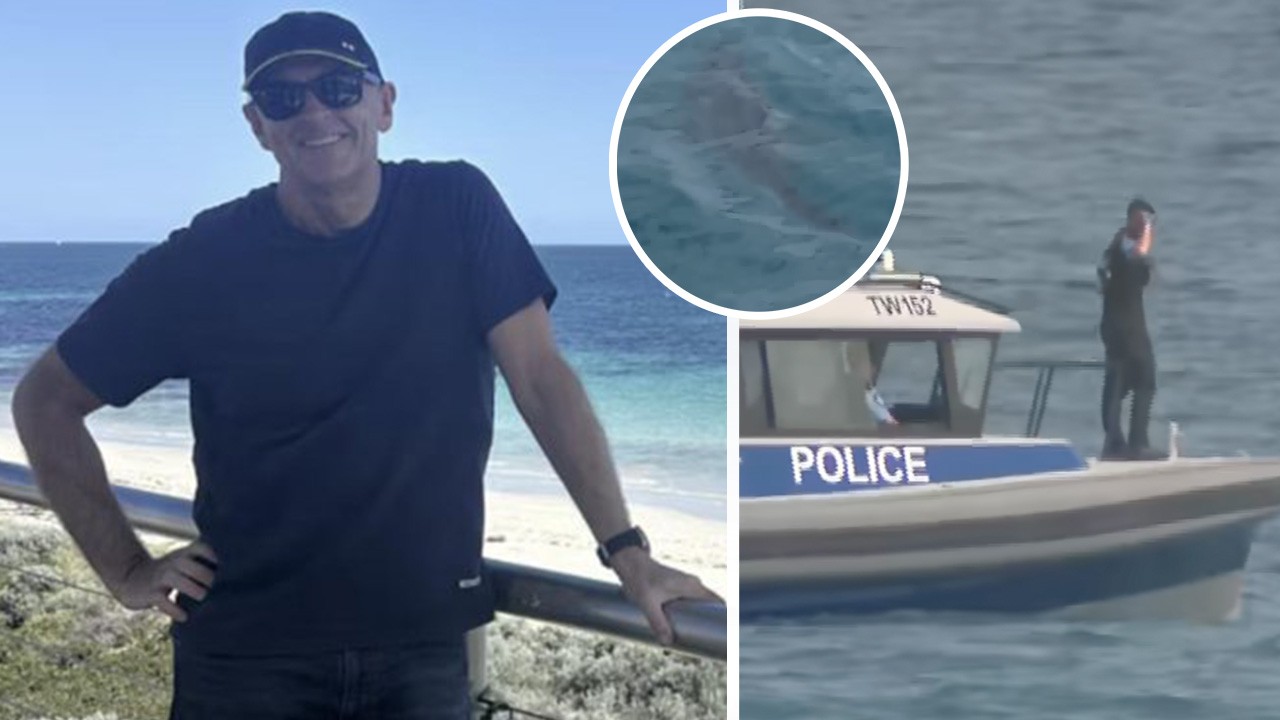
63-Year-Old Greg O’Neill Killed By Shark Outside Perth: Rare Catch-and-Kill Order Issued Before Being Called Off
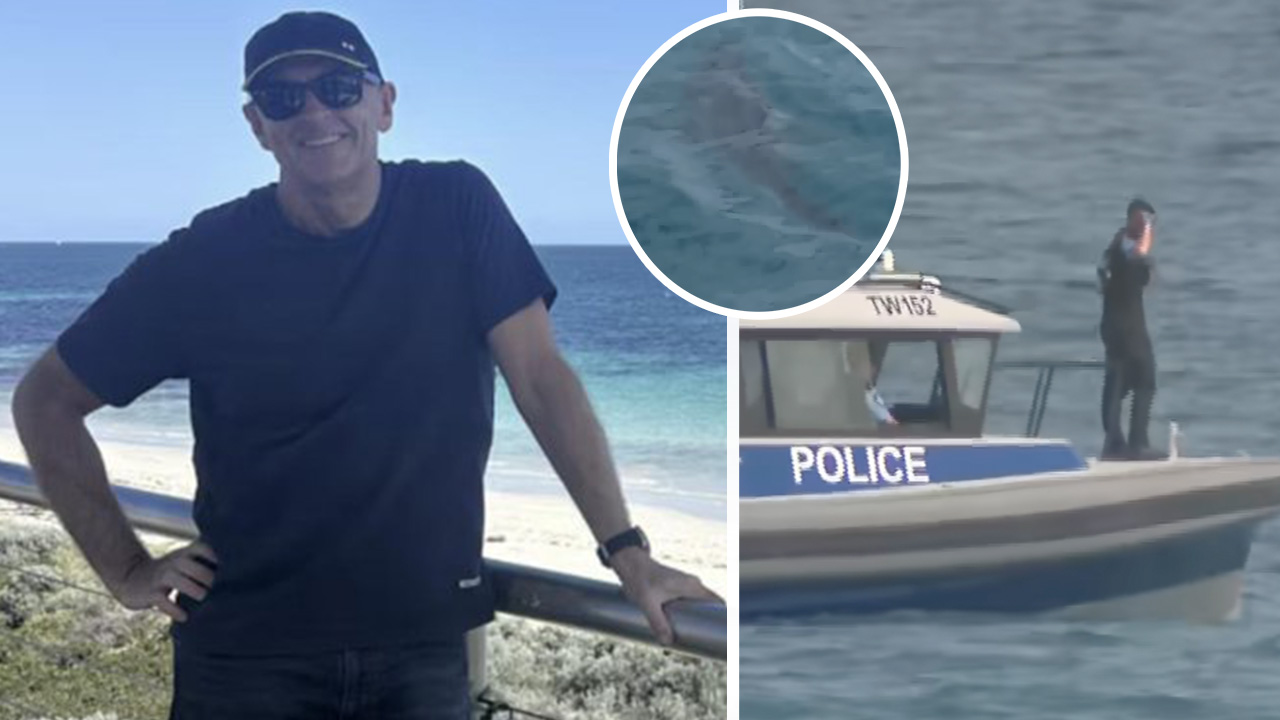
The tragic death of Greg O’Neill, a 63-year-old swimmer fatally attacked by a great white shark off Sorrento Beach in Western Australia, has prompted renewed discussion about shark management, community safety, and conservation policies. This incident, which occurred just outside Perth, led authorities to take the extraordinary step of issuing a rare catch-and-kill order for the shark believed responsible. The move was met with significant public and expert debate before authorities ultimately called off the hunt. This article examines the details of the attack, the societal response, and the broader questions it raises about how humans and sharks coexist in Australia’s coastal waters.
Details of the Shark Attack at Sorrento Beach
On a Friday morning, Greg O’Neill was enjoying a swim approximately 50 feet from shore at Sorrento Beach, a popular seaside destination north of Perth. Eyewitnesses described a sudden, violent attack as the great white shark struck O’Neill, resulting in fatal injuries in view of other swimmers and beach visitors. Accounts of the scene were harrowing; Ryan Rowe, a local resident who arrived soon after, recounted to The West Australian the extent of the blood visible in the water, comparing the scene to the iconic horror from the film “Jaws.” Other witnesses, such as Darrel Haythornthwaite, told Nine Network that O’Neill was swimming with a friend at the time of the attack, and that the devastating event unfolded too quickly and violently for anyone to intervene.
The immediate aftermath saw first responders and bystanders scrambling for help. Despite extensive search and rescue efforts, O’Neill’s body could not be recovered. However, police concluded, based on evidence at the scene and the nature of the attack, that the fatal outcome was beyond doubt.
Community and Family Response
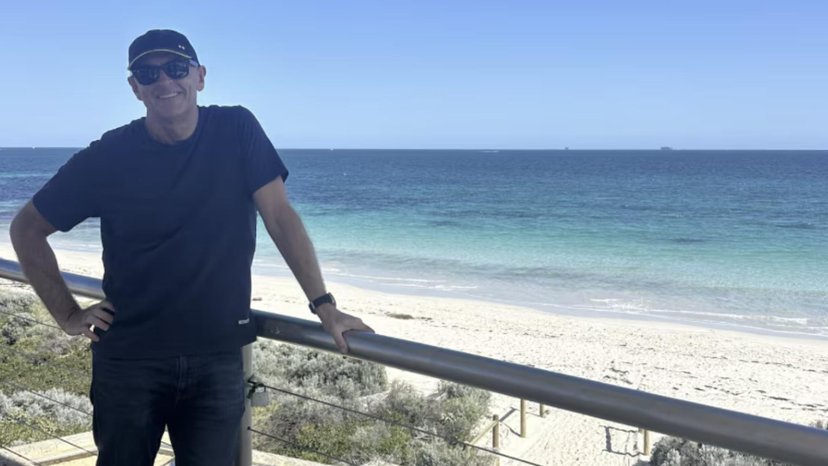
Greg O’Neill’s death sent ripples through his family, friends, and the local community. In a statement provided to ABC Australia, his family expressed profound grief: “Our family is deeply shocked and devastated by the terrible tragedy that took the life of father, grandfather-to-be, brother, uncle, husband and friend, Greg James O’Neill.” They described him as a “generous, devoted family man” who shared a strong love of the ocean and enjoyed an active lifestyle as a passionate swimmer, sports enthusiast, and “all-round generous, witty guy.”
The tragedy underscored the risks associated with ocean activities in regions known for active marine life, while also highlighting the bonds among the swimming community in Perth—a city where open-water swims and beach culture are cherished traditions.
Understanding Shark Attacks in Australia
Australia is home to a diverse array of marine life, including several shark species known to inhabit coastal waters. The great white shark (Carcharodon carcharias) is both a protected species and one of the most formidable predators in these waters. Despite media focus, shark attacks on humans remain statistically rare. According to the BBC, five people have died as a result of shark attacks in Australia so far this year; in Western Australia, O’Neill’s death marked the third fatality in the state in 2024.
In this context, each incident—particularly one as fatal and public as the Sorrento Beach attack—raises complicated questions about safety, conservation, and coexistence. While tragic, such events often prompt a review of current protocols by law enforcement, government, and public safety officials.
The Rare Catch-and-Kill Order: Policy and Controversy
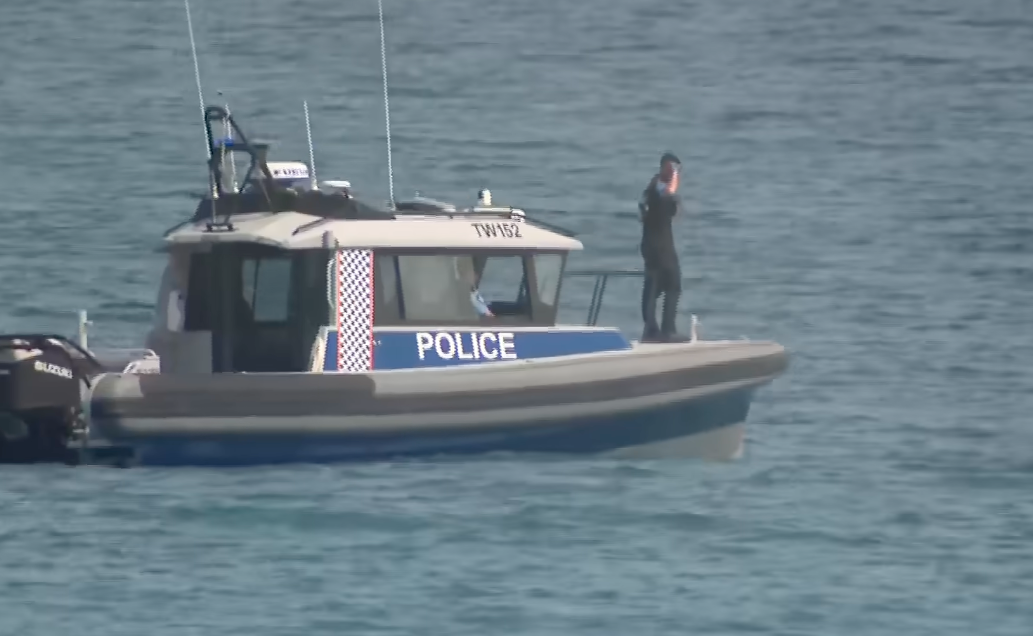
After the attack, Western Australia’s Fisheries Minister, Jackie Jarvis, authorized an immediate catch-and-kill order. This move permitted officers to locate and, if possible, destroy the shark responsible—a decision reserved for “exceptional circumstances,” according to a public statement. The order’s invocation reflects the severity of public concern after the attack, as well as the shock to the local community and officials.
Catch-and-kill orders are extremely rare in Western Australia, especially involving great white sharks, which are protected under both state and federal law due to their vulnerable population status. By some accounts, this was the first such order issued in nearly ten years. Previous use of these powers triggered considerable public debate and large-scale protests—as seen in 2014, when a spate of shark attacks led to controversial culling measures and galvanized conservation groups, surfers, and scientists to march in opposition.
This time, authorities deployed capture equipment some 1.5 kilometers offshore near the attack site, hoping to intercept the shark and prevent further danger to swimmers. The rationale was to safeguard the public, but official statements emphasized that such actions would not be taken lightly given the environmental and ethical dilemmas involved.
Expert Perspectives on Catch-and-Kill Orders and Shark Management
The appropriateness and effectiveness of lethal responses to shark attacks are highly debated among marine scientists. Culum Brown, a professor at Macquarie University’s Ecology and Evolution of Fishes Laboratory, questioned the decision’s practicality and potential consequences. In an interview with ABC Australia, Brown likened the search for the “responsible” shark to seeking “a needle in a haystack,” arguing that identifying and capturing the exact individual is nearly impossible, especially given shark mobility and the presence of other large sharks in the area.
Many experts, including Brown, advocate for non-lethal protective measures. Shark-spotting drones, improved real-time surveillance, and public education are seen as preferable alternatives with proven effectiveness. Drones, in particular, are increasingly deployed across Australian beaches and are credited with early detection of sharks and timely alerts for swimmers and surfers, striking a balance between recreational freedom and risk mitigation. These systems cost less than crewed helicopter patrols and offer more consistent monitoring.
Termination of the Catch-and-Kill Operation
Following several days of unsuccessful efforts, Western Australian officials announced they were discontinuing the catch-and-kill operation. As reported by ABC Australia, authorities explained there was now a “significantly diminished chance” of identifying or capturing the shark responsible for O’Neill’s death. The decision was informed by scientific opinion, animal movement data, and the impracticality of identifying a particular shark in a vast and dynamic ocean environment.
This shift reflected a realist approach to the limits of intervention, as well as the need to direct resources toward broader safety strategies rather than seeking targeted retribution after the fact.
Shark Attack Trends and Broader Context
Western Australia has seen a rise in high-profile shark incidents in recent years. O’Neill’s attack was the second shark incident in the state during the week, following another attack in which a 56-year-old surfer suffered serious injuries. Overall, Australia’s rate of shark attacks—both fatal and nonfatal—remains relatively low given the millions of annual ocean visits, yet each attack garners extensive media attention and fuels public debate.
On the global stage, shark-related fatalities are even less common, with Australia, the United States, and South Africa among the few countries where fatal incidents occasionally occur. Conservationists note that, despite the fears such events inspire, the great white shark remains an endangered species. Many marine biologists urge respect for sharks as apex predators critical to the marine ecosystem, yet acknowledge the need for pragmatic public safety measures to maintain community trust and coastal tourism.
Balancing Human Safety and Marine Conservation
Australian authorities face ongoing challenges in balancing the imperative to protect beachgoers with the scientific consensus against indiscriminate culling of marine wildlife. Non-lethal approaches to shark risk reduction have gained support in recent years, including:
- Shark-spotting drones and camera networks along beaches
- Tag-and-release programs that monitor shark movements and alert authorities to potential risks
- Public education campaigns on ocean safety, shark behavior, and risk mitigation strategies
- Use of exclusion nets and barriers in popular swimming zones
Alongside these efforts, scientists conduct ongoing research to better understand shark migration patterns, feeding behavior, and population dynamics in an effort to forecast and prevent future attacks.
Societal and International Reactions
The Sorrento Beach incident drew significant attention in both Australia and abroad. Public reaction has been characterized by an outpouring of sympathy for O’Neill’s family as well as a renewed debate among environmental groups, politicians, and ordinary citizens about the best ways to protect lives without compromising the health of ocean ecosystems. Media coverage referenced similar incidents, such as other recent shark attacks and high-profile sightings of extraordinarily large great whites, feeding public interest and debate about the coexistence of humans and large marine predators.
Internationally, Australia’s shark management practices are observed as case studies in risk mitigation and conservation policy. Many coastal nations are grappling with similar issues as climate change, fisheries management, and increased recreational ocean use alter the interactions between wildlife and people.
Conclusion
The death of Greg O’Neill at Sorrento Beach is a tragic event that highlights the enduring challenge of ensuring human safety while protecting crucial marine species in Australia’s coastal environments. As communities mourn loss and seek reassurance, the debate over how best to manage shark risks continues. The shift away from catch-and-kill measures toward science-driven, technology-assisted monitoring reflects a broader move to a more balanced and humane approach—aiming to secure both the safety of the public and the vitality of Australia’s majestic marine life.
Sources
Disclaimer: This content is intended for entertainment purposes only and is not based on real events.