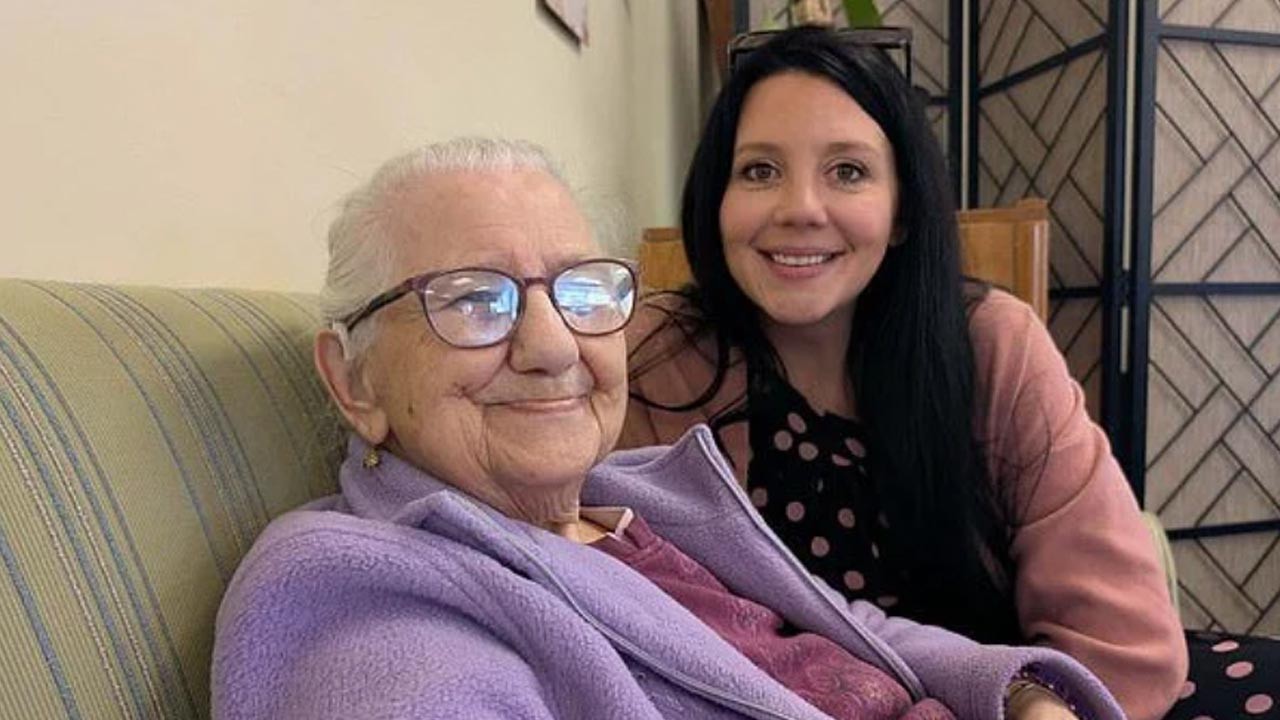
Brigitte Stegemann, an 83-year-old Christian woman, died during a medically assisted death procedure in Canada after her granddaughter says she had previously told the family she did not want MAiD – and later became distressed after learning she was scheduled to undergo the procedure.
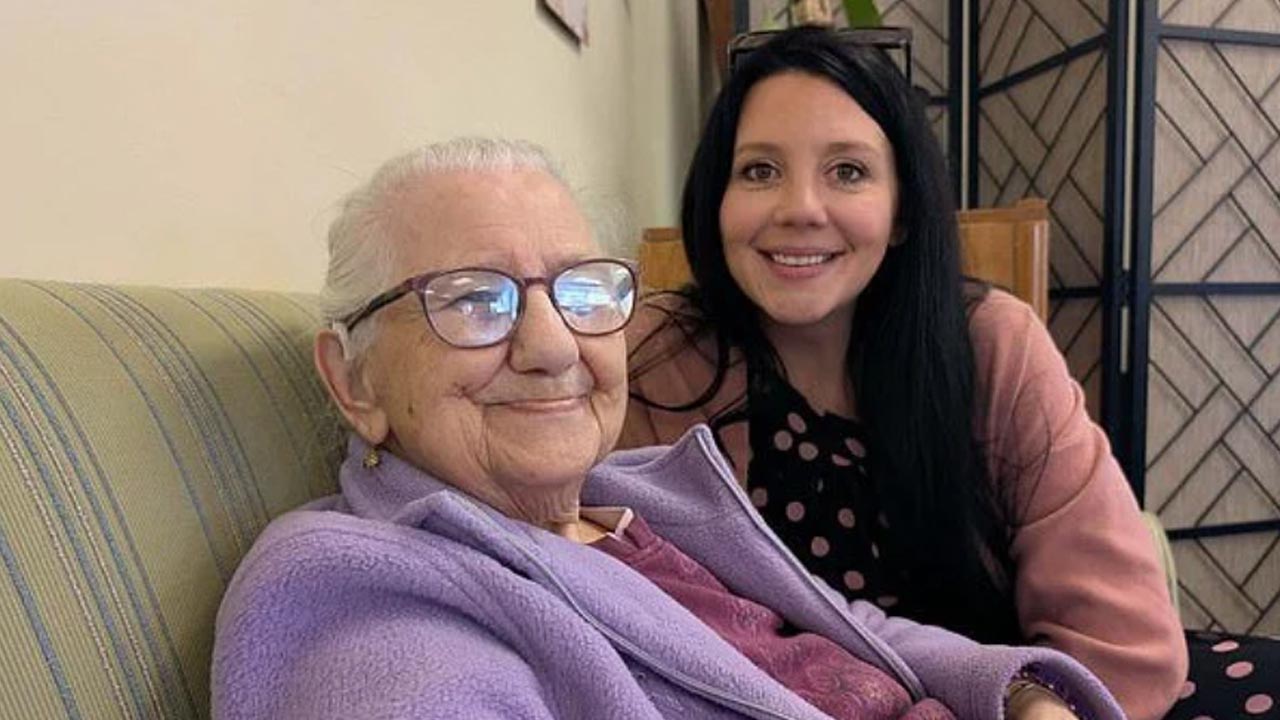
On July 10, 2024, Brigitte Stegemann, an 83-year-old German-born Christian known affectionately as “GG” or “Oma,” died at The Pearl care home in Cannifton, Ontario, through Canada’s Medical Assistance in Dying (MAiD) program. Her death has emerged as a focal point in ongoing debates regarding consent, vulnerability, and end-of-life care protocols in Canada’s expanding assisted dying framework.
Stegemann’s granddaughter, Brigitte Kranendonk, who cared for her for 12 years and served as her medical power of attorney for six, now alleges that Stegemann never gave clear or informed consent for the MAiD procedure on the morning of her death. The care home and medical practitioners involved in her case have maintained that their actions complied with legal requirements, asserting that Stegemann fully consented to MAiD. Nevertheless, local authorities—including Ontario’s Chief Coroner’s Office, the Patient Ombudsman, and Belleville Police—have launched investigations into the events leading up to Stegemann’s death.
Background: Medical Assistance in Dying in Canada
Canada legalized Medical Assistance in Dying (MAiD) under federal legislation in 2016. Since then, thousands of Canadians have opted for MAiD due to terminal illnesses, chronic health conditions, or intolerable suffering. Canadian law sets forth a stringent consent process, requiring that eligible patients demonstrate competence and voluntary intent, with multiple safeguards including assessments by medical professionals. MAiD remains controversial, with ethical debates about autonomy, patient capacity, and protections for vulnerable individuals—particularly the elderly, those with disabilities, and people with cognitive impairments.
Family Concerns and Allegations of Consent
Stegemann was moved to The Pearl care home about eighteen months before her death due to declining physical and cognitive health. In February 2024, she was diagnosed with stage 4 stomach cancer. Physicians estimated her life expectancy could range from six months to two years, but the prognosis was uncertain. Amid her declining health, Stegemann’s family—including Kranendonk—discussed various end-of-life care options, including MAiD. During these conversations, Kranendonk reports that her grandmother clearly rejected assisted death, allegedly stating, “No, I don’t want that.” Stegemann’s Christian faith strongly informed her reluctance.
The situation shifted during a ten-day period when Kranendonk was away. On July 3, Kranendonk received a call that a MAiD assessment was scheduled due to Stegemann’s deteriorating health. By the time she returned, Stegemann had undergone an initial consultation. Kranendonk expresses frustration that no one had informed her, despite her role as medical power of attorney.
Assessment Questions and Communication Barriers
Kranendonk attended Stegemann’s second MAiD assessment and raised concerns about how information was explained and whether her grandmother truly understood what was happening. During the assessment, a physician explained the procedure using simple terms, but Stegemann, whose first language was German and who lived with hearing impairment, appeared only to nod in response. Kranendonk questioned her grandmother’s capacity to consent, noting that during a cognitive assessment, Stegemann inaccurately said she had no siblings—when in fact, she had thirteen, with two still living—which raised red flags for the family about her cognitive status.
Despite these concerns, the doctor determined that Stegemann was mentally fit for MAiD and scheduled the procedure for Friday, July 10. Kranendonk felt the process was rushed, with little time to discuss or intervene. Staff considered moving the procedure forward to Thursday when the doctor had an opening, but Kranendonk objected, wanting Stegemann’s son and pastor to be present.
Stegemann’s Distress Before the Procedure
Kranendonk later sat down with her grandmother and explained in clear terms what was about to happen, asking, “Do you know that you’re going to die on Friday?” According to Kranendonk, Stegemann became deeply upset and cried for nearly 45 minutes, eventually stating, “I’ve made a mistake.” Kranendonk tried to reassure her, emphasizing that consent was not final and could be withdrawn at any time. Despite her doubts, Kranendonk decided to focus on spending time with Stegemann, trusting that care staff would handle the situation responsibly. Reflecting on the experience, she described feeling vulnerable due to grief and reliance on the medical system.
The Morning of Stegemann’s Death
On the morning of July 10, Stegemann’s family gathered with her in The Pearl’s garden, sharing ice cream and prayers with her pastor. Shortly afterward, the MAiD nurse asked everyone to return inside, earlier than expected. Kranendonk alleges that the nurse struggled to insert an IV, resulting in a significant amount of blood on Stegemann’s arm, nightgown, pillow, and sheets. She also claimed that the nurse was not wearing gloves during the procedure. When the doctor arrived, Stegemann was reportedly asked if it was okay to receive “medicine,” but she did not respond.
Questions About Consent and Procedure
Kranendonk describes her grandmother as unresponsive in her final moments. She did not open her eyes, nod, or verbally consent as the doctor proceeded. Approximately ten minutes later, Stegemann was pronounced dead, but Kranendonk was unsure whether the MAiD medication was the direct cause, whether Stegemann had died beforehand, or whether she was deeply focused on prayer. She also says a heartbeat was not checked either before or after the procedure, raising further questions for the family about protocol.
Earlier that same morning, Stegemann interacted with her granddaughter, remarking, “If you don’t stop crying, I’m not going to sleep tonight,” suggesting she was aware and responsive before the procedure.
Family’s Search for Answers
After Stegemann’s death, Kranendonk learned more about MAiD rules, including that nurses cannot pressure patients and that proper documentation must be completed before the procedure. She alleges that some paperwork was filled out only after her grandmother died. Kranendonk firmly believes Stegemann did not consent on the morning of the procedure and that she was euthanized against her will. She has struggled to obtain medical records from The Pearl, compounding her distress.
Kranendonk regrets not seeking a legal injunction to delay or halt the MAiD procedure, but says she was unaware this was possible at the time. She did not feel able to remove Stegemann from the care home because her grandmother required continued medical care, highlighting another challenge faced by families navigating difficult end-of-life decisions in the Canadian healthcare system.
Ongoing Investigation and Broader Context
Belleville Police have confirmed they are actively investigating the circumstances of Stegemann’s death, but have declined to provide further details while the case remains open. The Pearl care home and medical practitioners involved have not commented publicly on the allegations, reiterating their position that Stegemann’s participation in MAiD followed legal procedures and requirements.
This case brings renewed attention to Canada’s MAiD system, particularly concerning vulnerable populations. Experts in medical ethics and elder care stress the importance of robust safeguards, clear communication, and thorough documentation to ensure consent is truly informed and voluntary. Internationally, Canada is regarded as having one of the most permissive assisted dying laws, but this has sparked debates about protections for the elderly and cognitively impaired, especially among communities with linguistic or cultural barriers.
Christian faith communities and advocacy organizations have called for greater oversight and transparency in MAiD cases, raising questions about whether the program’s safeguards are sufficient to protect those at risk of undue influence, misunderstanding, or procedural errors. The ongoing investigation may provide clarity and guidance for policy reforms, particularly as Canada’s MAiD eligibility criteria are expected to expand in coming years.
For families, Stegemann’s story underscores the complexities involved in end-of-life decision-making, especially when loved ones depend on institutional care. It highlights the challenges of navigating emotional, ethical, and legal considerations, and the need for open communication between healthcare teams and family members.
Sources
- BBC News – Canada’s MAiD law and background
- CBC – MAiD consent requirements and controversies
- The Guardian – Canada’s assisted dying law and debate
- Reuters – Canada MAiD system analysis
Disclaimer: This content is intended for entertainment purposes only and is not based on real events.