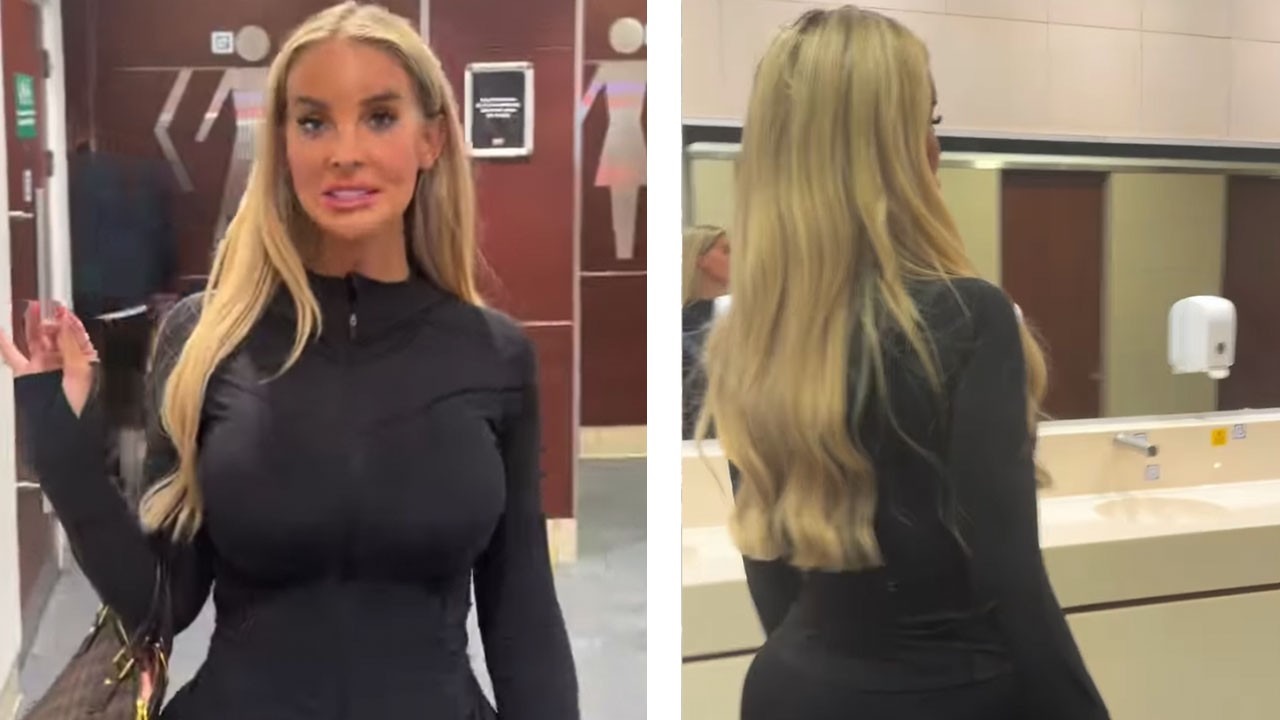
A Viral Video of a Trans Woman in a Men’s Restroom Reignites Debate on UK Bathroom Access Policy
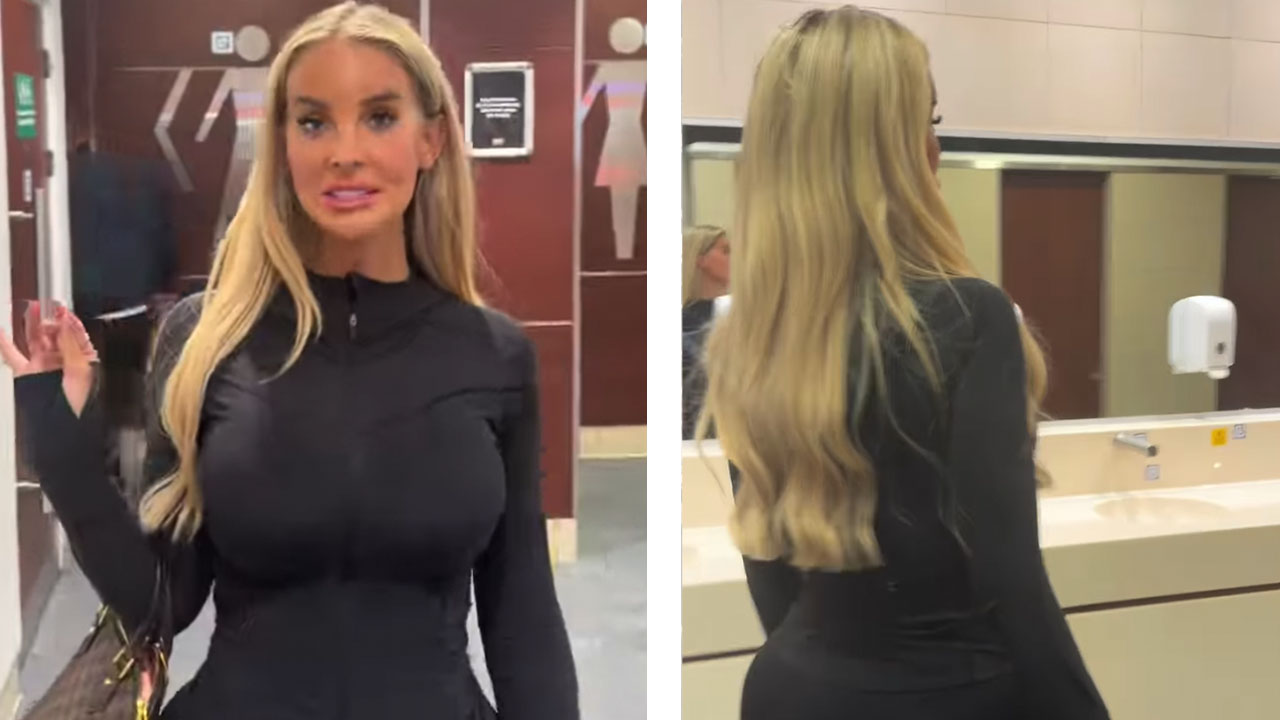
In May 2026, a viral video depicting a trans woman entering a men’s restroom became a flashpoint in the United Kingdom’s ongoing debate about access to single-sex public spaces. The original video, posted on Instagram by content creator Jessica (@jessicasuch_x), was intended to serve as a real-life demonstration of the social complexities and unintended consequences that can result from policies requiring individuals to use restrooms corresponding to their sex assigned at birth. As the UK’s guidance on access to single-sex spaces continues to develop, Jessica’s experience has brought renewed attention to how such policies impact the country’s transgender population, and sparked wider public discussion about the rights and safety of all people in public facilities.
Background: The Event That Sparked New Debate
Jessica, who regularly shares aspects of her life as a transgender woman on social media, posted a video on Instagram (see video) showing her entering a men’s public restroom. She described the experience as “uncomfortable and, at times, alarming,” adding that the reactions of others in the restroom ranged primarily from confusion to unease, but did not escalate into direct confrontation. In the video, she is heard responding when a man appears visibly uncomfortable about her presence, pointedly asking, “Do you feel uncomfortable with a trans woman in the toilet, boys?”
According to Jessica, the video is designed not as a provocation, but as a visual representation of what it means, in practice, for trans women to be required by regulation or social expectation to use men’s bathrooms. Speaking to VT.co, she explained: “It’s easy to say online, but seeing a visibly feminine trans woman actually enter that space makes the issue feel very different.” Her intent was to illustrate the discord between public policy and real-world experience for many transgender individuals.
Current Policy Environment: UK Guidance on Single-Sex Spaces
The conversation around bathroom access has intensified in the UK over the past decade, mirroring similar debates globally. In May 2026, updated UK government guidance clarified how providers of single-sex services—including public toilets, changing rooms, and shelters—could manage access. The guidance stipulates that limiting access to biological sex may be permitted in some circumstances, especially where privacy, safety, and dignity are cited concerns. At the same time, providers are instructed to carefully consider how such exclusions affect trans individuals, and whether suitable alternative arrangements can be made where possible.
This policy update aimed to address growing public demand for clarity around rights, responsibilities, and the balance between competing interests of different groups using shared spaces. It also recognized that transgender people, as a protected group under the UK Equality Act 2010, face disproportionate risks of discrimination and harassment in public life. As a result, the current guidance emphasizes the need for policies founded both on evidence and on principles of inclusion, fairness, and safety.
The Lived Experience: Jessica’s Perspective
For Jessica and many other transgender people, the stakes of the debate are far more than theoretical. Sharing her feelings in her Instagram post, Jessica wrote: “Trans women belong in the female toilets. I’m not going to shrink myself, apologise for existing, or spend my life explaining my humanity every time somebody decides my existence should become a debate.”
She described the exhaustion that comes with feeling that her daily activities, such as using a public restroom, are continuously turned into a public discussion, and the alienation that results from having her identity politicized. “There is something so exhausting about having your everyday life turned into a public discussion by people who will never understand what it feels like to have strangers debating where you should be allowed to exist,” she added.
Jessica’s video sought to highlight the dissonance between policy and the personal realities of navigating public spaces. She reflected that the onlookers’ confusion and discomfort in the restroom was “exactly the point I was trying to demonstrate.” According to Jessica, only by seeing these consequences firsthand can the public, policymakers, and service providers understand what is at stake for transgender people in their everyday lives.
The Social Implications: Reactions and Debate
The reactions to Jessica’s video were mixed, mirroring the broader societal debate surrounding access to single-sex spaces. Some viewers expressed immediate understanding and empathy, recognizing the difficult position in which trans people are placed when asked to use bathrooms that do not align with their gender identity. Others reacted with discomfort or anger, particularly when confronted with the tangible reality of a trans woman in a men’s bathroom. The division in reactions itself underscores the complexity and deeply personal nature of the issue for different segments of society.
A frequent argument among critics of inclusive restroom policies is that women’s spaces must be protected for reasons of privacy and safety. Supporters of trans inclusion, by contrast, point out that trans people are statistically at higher risk of facing harassment or violence in public facilities. According to studies referenced by organizations such as Stonewall and the UK Equality and Human Rights Commission, most trans people avoid public restrooms altogether when possible and report feeling unsafe or unwelcome when they do use them.
Expert Views and Research Findings
Research into the consequences of bathroom access restrictions has grown in recent years, drawing from public health, sociology, and legal studies. The Stonewall charity, for instance, argues that allowing trans people to use the restroom that matches their gender identity is critical for both safety and dignity, and has no proven negative impact on non-trans users. Internationally, studies from the Williams Institute at UCLA have noted that jurisdictions with inclusive bathroom policies have seen no increase in safety risk in public spaces.
The UK’s Equality and Human Rights Commission has issued guidance emphasizing both the need to protect existing rights under the Equality Act 2010 and to ensure that policies are justified, proportionate, and evidence-based. Their position is that blanket exclusions are rarely lawful, and service providers must approach each case considering both privacy and inclusion. “There is a strong legal framework in place protecting the rights of both women and trans people,” the Commission observes. “It is essential that providers assess risks accurately and seek solutions that respect everyone’s dignity.”
The International and Societal Context
The current debate in the United Kingdom mirrors similar controversies in other countries. In the United States, for example, “bathroom bills” introduced in some states have faced legal challenges and resistance from business, civil rights groups, and public health organizations. Countries such as Canada and many in Western Europe have generally moved toward affirming trans people’s right to access bathrooms corresponding with their gender identity, with few reported problems. Particularly in larger metropolitan centres, multisectoral organizations and some private venues have adopted gender-neutral facilities in recognition of the diversity of people’s needs and identities.
In the UK, the conversation is also shaped by a broader context of increasing awareness and advocacy around trans rights, as well as vocal opposition from some political figures and advocacy groups. Surveys show that while the public remains divided, younger generations tend to express greater support for trans-inclusive policies. Major UK trade unions and professional bodies have advocated for more comprehensive inclusion measures, including increased training for staff and the establishment of clearly signposted gender-neutral facilities to provide practical solutions.
Moving Forward: Policy Challenges and Possible Solutions
The viral video shared by Jessica has not only resonated with individuals, but has prompted reflection among policymakers, service providers, and advocacy organizations. While the updated UK guidance provides more clarity, the challenge remains in implementation—balancing privacy, safety, dignity, and inclusion. Suggestions from experts and rights organizations include:
- Introducing more gender-neutral bathrooms in public and private venues, providing options for everyone, including parents with young children or disabled persons with carers.
- Ensuring that staff in public spaces are trained to support respectful and lawful inclusion, de-escalating confrontations and offering assistance where needed.
- Engaging directly with trans people and other affected groups in policy development, ensuring that practical concerns and experiences are adequately represented.
- Continued monitoring and research to assess both public concerns and outcomes for different bathroom policies, including the effectiveness of reasonable accommodations.
The conversation about bathroom access sits within a broader societal debate over rights, public safety, tradition, and evolving understandings of gender. While it is unlikely a consensus will emerge quickly, experts agree on the importance of dialogue grounded in evidence, respect, and an understanding of lived realities. Jessica’s video, and others like it, will likely continue to play an important role in informing policy and public attitudes.
Conclusion
The debate over bathroom access for transgender people in the UK remains a contentious and deeply personal social issue. Jessica’s viral video has reignited national discussion, illustrating through experience the practical and emotional effects of single-sex space regulations. As guidance continues to evolve, the challenge for policymakers is to balance privacy, safety, and dignity for all, while upholding the principles of equality and respect enshrined in law.
Sources
- BBC News
- Reuters
- The Guardian
- Equality and Human Rights Commission
- Stonewall
- Williams Institute, UCLA
Disclaimer: This content is intended for entertainment purposes only and is not based on real events.