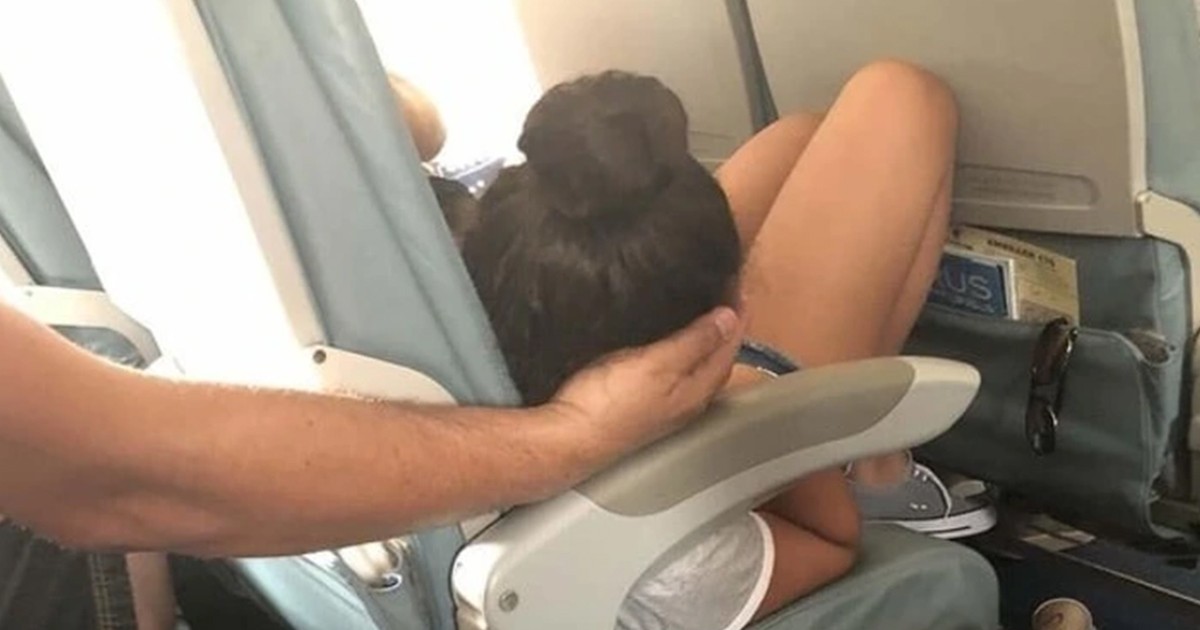
This Man Kept His Hand in This Position for 45 Minutes So His Daughter Could Sleep Well

In today’s hyper-connected world, even small acts of kindness and care can quickly reach millions. This was the case when a father’s thoughtful gesture during a flight—holding his daughter’s head in his hand for 45 minutes so she could sleep—captured the attention of social media users worldwide. The image, originally shared on Reddit’s popular MadeMeSmile subreddit, illustrates the complex fabric of parenting, public opinion, and digital-era ethics. The story has generated a nuanced and sometimes heated debate regarding parental responsibilities, problem-solving, and privacy, ultimately highlighting a broad spectrum of attitudes toward family life and social sharing in the 21st century.
The Viral Gesture: A Brief Overview
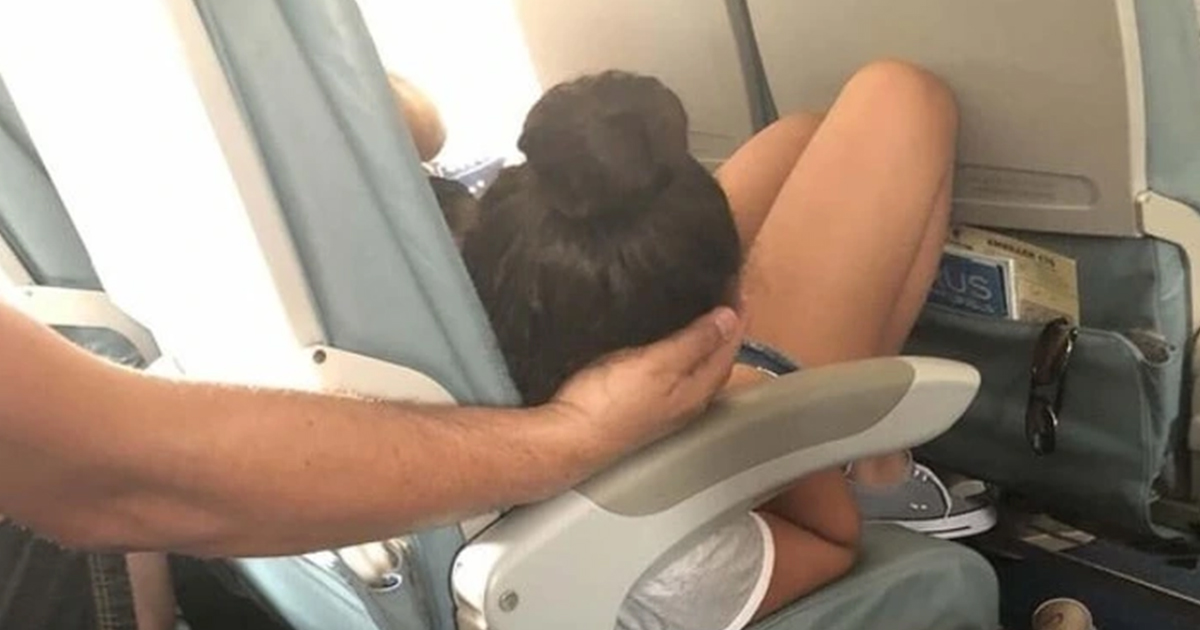
The original post featured a snapshot of a father, seated behind his daughter on an airplane, stretching his arm forward to cradle her head as she slept. Rather than relying on a pillow, jacket, or the airplane seat for support, the dad chose to make his own hand her makeshift pillow, allowing her to sleep comfortably for nearly an hour. The image was simple in composition but rich in emotional resonance—a visible sign of parental devotion often performed quietly and unseen.
The post, entitled “This man kept his hand in this position for 45 minutes so his daughter could sleep well,” swiftly struck a chord. Within days, it amassed over 67,000 upvotes and sparked thousands of comments from users around the globe—a testament to the power of social media in amplifying everyday moments that might otherwise pass unnoticed.
Public Reaction: Admiration and Skepticism
The internet’s response was significantly divided. Many social media users were moved by the father’s unwavering patience and care, describing the moment as “precious” and commending the extraordinary lengths parents go to ensure their children’s well-being. Positive comments pointed to strong emotional and sentimental undertones, recalling their own cherished memories with family or expressing hope to provide similar support to their loved ones.
However, the discourse did not end with admiration. A substantial segment of users adopted a more critical perspective, focusing particularly on the father’s chosen solution. Comments highlighted a perceived “lack of creative problem solving,” questioning why the dad endured 45 minutes of discomfort when alternative options—such as rolling up a jacket or requesting a pillow from a flight attendant—were presumably available. One user wryly commented, “Tired of having your hand fall asleep just so someone else can too? Introducing: ‘The Pillow!’” Others offered practical travel tips, suggesting jackets and airplane amenities as more sustainable solutions to in-flight discomfort.
The debate revealed a generational and philosophical divide in parenting styles, with some favoring acts of sacrifice, while others emphasized the importance of resourcefulness and teaching children independence. The viral moment became a microcosm of larger discussions about contemporary parenting norms.
The Value of Small Gestures: Expert Insights
Child development experts often underscore the significance of seemingly trivial gestures in building long-term bonds between parents and children. According to psychologists, moments of attentive presence—such as a parent providing physical or emotional comfort—can foster trust, attachment, and a sense of security that has lasting effects. Developmental studies suggest that these expressions of care are particularly influential during childhood and adolescence, critical stages for emotional growth.
At the same time, educators and clinicians encourage teaching resilience, self-sufficiency, and problem-solving. Critics of the father’s gesture warn that overextending parental sacrifice can inadvertently hinder a child’s ability to adapt and respond to challenges independently. According to Dr. Laura Markham, clinical psychologist and parenting expert, “Balancing support and autonomy is essential for raising well-adjusted children.” She points out that neither extreme—unconditional rescue nor total self-sufficiency—serves children best. Instead, nuanced, situation-specific judgment is critical.
Societal and International Perspectives on Parenting
Parenting philosophies vary significantly across cultures and societies. In some cultures, displays of overt nurturing (such as the father’s gesture) are considered foundational, reflecting strong values around family interconnectedness and interdependence. In others, fostering independence and self-management from an early age is emphasized. The online debate around this viral image echoed these divergent expectations, illustrating the ways social norms influence perceptions of “correct” parenting.
Internationally, research suggests that acts of parental kindness—whether grand or small—contribute universally to children’s sense of belonging and well-being, even as strategies for encouraging autonomy may differ. The viral moment, then, exists within broader conversations about how best to prepare future generations for life’s challenges while nurturing their innate needs for connection and empathy.
Emotional Resonance: Why Ordinary Acts Go Viral
Social scientists and media observers have explored why everyday actions like the one in this story so often captivate global audiences. In a digital environment saturated with dramatic news, tales of ordinary kindness can feel especially meaningful. Professor Ethan Zuckerman, director of the Center for Civic Media, notes that uplifting, “relatable” content offers a form of virtual solidarity and connection, particularly during times marked by uncertainty or stress. Images like this resonate across demographics, inviting viewers to reflect on their own relationships and values.
These moments also invoke nostalgia, prompting people to recall parental care received in childhood or to consider how they want to parent their own children. Social sharing becomes a way to both affirm and question personal and collective ideals.
Privacy and Consent in the Age of Viral Media
While most commentary focused on the father-daughter interaction and parenting philosophy, a notable thread emerged about the ethical implications of photographing and sharing images of strangers—particularly minors—without their consent. Concerns about digital privacy are increasingly prevalent as smartphones and social media make public documentation routine.
Privacy advocates note that sharing identifiable images of children online, even in positive contexts, can have unforeseen consequences. Internationally recognized organizations such as UNICEF and the Electronic Frontier Foundation advise caution and respect, urging individuals to consider consent before posting photos of others. As one commenter succinctly expressed, “They’re people, not objects.”
This facet of the story serves as a reminder that viral content is not without ethical complications, and social good must be weighed alongside a duty not to infringe upon others’ privacy.
Lessons for Travel and Everyday Parenting
Beyond the digital debate, the incident offers practical lessons for travelers and parents alike. Extended periods of immobility, such as holding one position on a plane, can lead to physical discomfort or musculoskeletal strain. Experts often recommend using available aids—neck pillows, rolled-up clothing, or even requesting assistance from flight crews—to maintain support and blood circulation during long flights.
However, sometimes circumstances call for flexibility, creativity, or an extra measure of patience. While travel hacks can enhance comfort, many parents recognize that occasionally prioritizing a child’s needs—even at the expense of personal ease—is part of the journey.
Parenting, like travel, rarely unfolds according to plan. The ability to adapt, whether through resourcefulness or self-sacrifice, is a skill all parents develop over time.
Global Discussion and the Changing Nature of Family Life
The online conversation sparked by this simple act demonstrates how notions of parenting, support, and care are continuously evolving. As societies grapple with changing family dynamics, increasing mobility, and a growing intersection of public and private life through technology, debates like these reflect both enduring values and emerging challenges.
Ultimately, the father’s gesture can be seen as part of a universal story: the desire to support loved ones, sometimes in unconventional ways, set against a backdrop of social expectation and individual judgment. While opinions may differ, the underlying desire for loved ones’ comfort and happiness remains a global constant.
Conclusion: A Modern Parenting Parable
This viral episode has generated valuable dialogue on parenting, problem solving, and privacy, offering insight into larger cultural dynamics. Whether one sees the father’s actions as an act of tenderness, a missed opportunity for independence, or a cautionary tale about digital privacy, the story ultimately highlights the richness and complexity of modern family life.
Such discussions, while sometimes polarized, help shape contemporary attitudes toward parenting and technology. As platforms like Reddit continue to surface everyday acts of kindness—and the debates that follow—society is invited to reconsider what it means to support, raise, and represent children in a rapidly changing world.
Would you go to great lengths to ensure your child’s comfort, even at a cost to your own? And what boundaries should govern how these moments are shared with the world?
Sources
- Reuters: Parents, Children, and Privacy on Social Media
- BBC: Social Media and Digital Privacy
- The Guardian: Parenting and Autonomy
- Mayo Clinic: Child Development Insights
- UNICEF: Child Privacy and Social Media
Disclaimer: This content is intended for entertainment purposes only and is not based on real events.