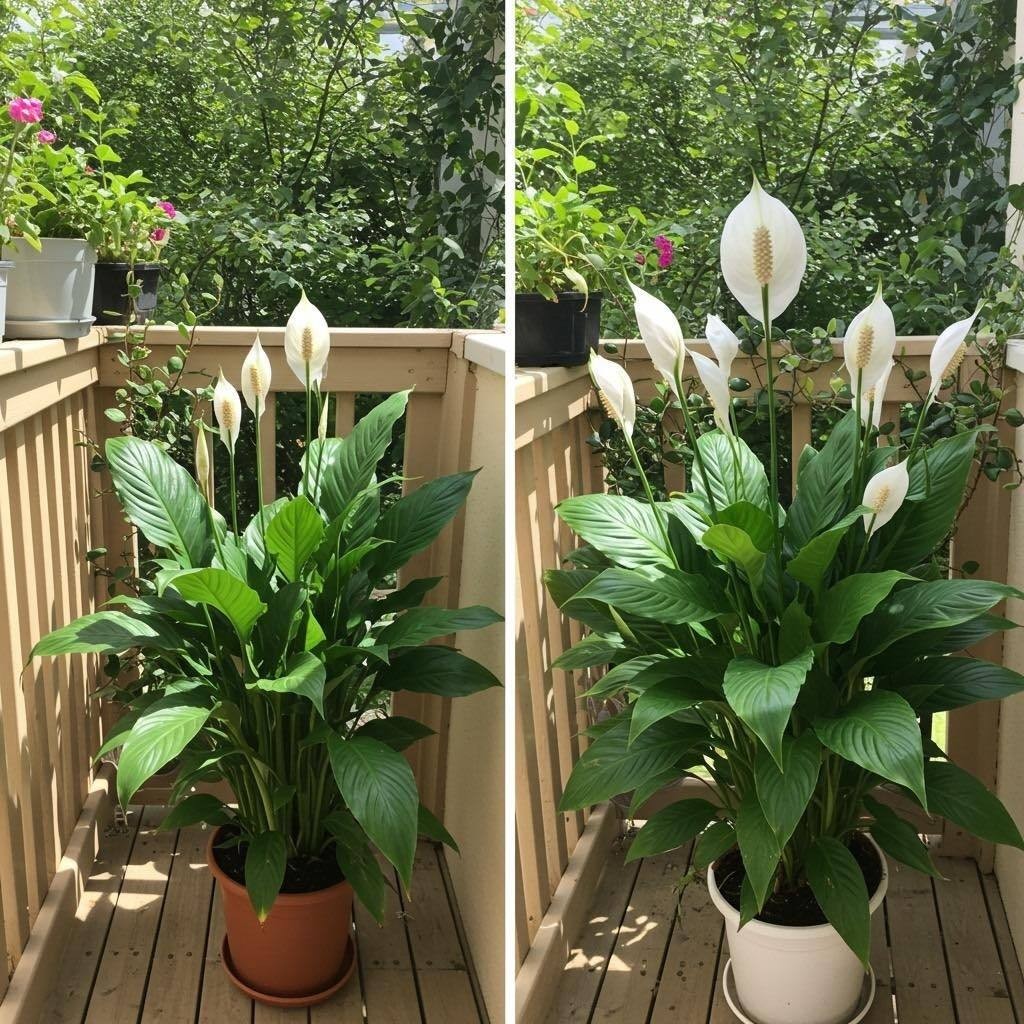
Even the Most Neglected Peace Lilies Will Bloom With This One Cup Trick
Peace lilies, renowned for their graceful appearance and ability to purify the air, are popular houseplants found in homes and offices worldwide. Despite their reputation for being easy to care for, getting these elegant plants to bloom consistently can sometimes be a challenge—especially if they’ve suffered from neglect. Fortunately, horticultural experts agree that a simple, nutrient-boosting solution can revive even the most forlorn peace lilies, transforming them into healthy, blooming showpieces with minimal effort.
Understanding Why Peace Lilies Fail to Bloom
Many plant owners encounter frustration when their peace lilies, also known as Spathiphyllum, produce lush foliage but few, if any, of the hallmark white blooms. The primary reason behind this is often a lack of essential nutrients. While peace lilies are adaptable and forgiving, they are also considered heavy feeders, meaning they rely on a steady supply of nutrients to support not only verdant leaves but also regular flowering cycles.
Without adequate nourishment, peace lilies may appear “ugly,” with limp leaves and a conspicuous absence of blossoms. This can happen regardless of the plant’s age—whether newly acquired or a long-standing part of the household. Thankfully, a simple intervention using the right kind of fertilizer can provide remarkable results in a short period of time.
The Science Behind the One Cup Trick
The “one cup trick” refers to delivering a targeted dose of liquid fertilizer—roughly one cup per plant—directly to the soil around the base of the peace lily. According to horticultural science, this method works because it ensures the plant receives a balanced blend of key nutrients, primarily nitrogen (N), phosphorus (P), and potassium (K). Each of these macronutrients plays a distinct role in peace lily health and vitality:
- Nitrogen (N): Promotes the development of strong, healthy leaves and stems.
- Phosphorus (P): Essential for robust root growth and, crucially, encourages and sustains flower production.
- Potassium (K): Improves overall plant vigor, drought resistance, and disease resilience.
In addition, liquid formulations often have the advantage of faster uptake because the nutrients are immediately available to the plant’s roots. This can be especially helpful for peace lilies showing signs of neglect or stress, enabling a rapid improvement in both leaf quality and blooming potential.
Choosing the Right Fertilizer for Peace Lilies
For the “one cup trick” to produce the best results, selecting an appropriate fertilizer is vital. Commercially available liquid houseplant fertilizers, especially those labeled as “balanced” or with equal N-P-K ratios (such as 10-10-10 or 20-20-20), are generally well-suited. These products are formulated to meet the comprehensive needs of indoor foliage and flowering plants.
Alternatively, many enthusiasts opt for organic or homemade nutrient solutions. These might include well-diluted compost tea, fish emulsion, or even a weak solution of water and coffee grounds—although it’s important to avoid overdoing homemade mixes as too much can harm roots or attract pests. Whichever option is chosen, proper dilution is key: a heavily concentrated solution can lead to fertilizer burn, while an appropriately diluted cup provides the gentle but effective nutrition peace lilies crave.
How to Apply the One Cup Solution
Applying the nutrient solution is a simple and accessible process for gardeners of any experience level. Begin by thoroughly mixing or diluting your chosen fertilizer according to the instructions. Most liquid fertilizers recommend diluting with water to avoid overwhelming the plant.
- Pour one cup (approximately 240 ml) of the diluted fertilizer directly onto the soil near the base of the peace lily, ensuring the solution reaches the root zone.
- Repeat this process every four to six weeks during the active growing season (spring through early autumn). In winter, when plant growth slows, reduce feeding frequency.
- Monitor soil moisture and avoid overwatering. Peace lilies prefer soil that is consistently damp, but not waterlogged.
Consistency is more important than quantity—regular, moderate feeding supports ongoing health, while sporadic or excessive feeding can disrupt the plant’s natural rhythm or even cause harm.
The Transformative Effects of Balanced Nutrition
After just a month or two of applying the “one cup trick,” most owners notice significant changes in their peace lilies. Beyond the eagerly anticipated new blooms—often appearing as fresh, white spathes on tall green stalks—the overall appearance of the plant improves dramatically. Leaves become glossier and more upright, indicating that the roots are healthy and actively absorbing nutrients.
For older or more severely neglected plants, it may take a little longer to see results, but patience and persistent care nearly always pay off. According to expert botanists, the key benefits of regular nutrient supplementation in peace lilies include:
- Restoration of leaf turgor (firmness and upright posture)
- Formation of multiple flower stalks during the growing season
- Increased resistance to common pests such as spider mites and scale insects
- Rapid recovery after underwatering or dry conditions
Best Practices for Peace Lily Care
While balanced fertilization is critical, peace lilies have a few other cultural requirements to ensure they continue to thrive. Consider the following expert recommendations:
- Light: Peace lilies enjoy bright, indirect sunlight but will tolerate lower light levels. Too much direct sun can scorch leaves, while too little light may limit blooming.
- Water: Water when the top inch of soil feels dry. These plants prefer moist, but not soggy, conditions. If the leaves droop, it’s time to water; they usually recover quickly.
- Humidity: Native to tropical regions, peace lilies appreciate higher humidity. Frequent misting or placing the pot on a tray of pebbles and water can help.
- Temperature: Keep temperatures between 65-80°F (18-27°C) and away from cold drafts or sudden temperature changes.
- Cleaning: Gently wipe leaves with a moist cloth to remove dust, enhancing photosynthesis and preventing pests.
Troubleshooting: When Blooms Still Don’t Appear
If you’ve provided consistent fertilization and all other conditions appear ideal, but your peace lily still refuses to bloom, there may be other factors at play. Some common issues include:
- Insufficient Light: While tolerant of shade, very low light can suppress flowering. Move the plant closer to a bright window, but avoid direct afternoon sun.
- Incorrect Pot Size: If the plant is root-bound or conversely, if the pot is too large, this can delay blooming. Repot if you see roots coiling at the surface.
- Improper Pruning: Remove spent flowers and any dead leaves to redirect energy into new growth and blooms.
- Water Quality: Peace lilies are sensitive to chemicals in tap water, especially chlorine and fluoride. If possible, use filtered or rain water.
Peace lilies may sometimes enter a dormant phase, particularly in the winter, during which new blooms are unlikely. Patience and consistent care will restore blooming as the days lengthen and temperatures rise.
Expert Views on Peace Lily Nutrition and Revival
Professional botanists and experienced horticulturists widely acknowledge the effectiveness of regular, balanced feeding in promoting peace lily blooms and overall vitality. According to the Royal Horticultural Society, timely fertilization is one of the best ways to transform a lackluster plant into a thriving, flower-producing specimen.
Moreover, a 2020 article in Brooklyn Botanic Garden’s resources highlights that neglected peace lilies often recover rapidly with the right nourishment and care, underscoring the resilience of these popular houseplants.
Societal Impact and Popularity of Peace Lilies
Peace lilies are celebrated worldwide for their beauty, ease of care, and their air-purifying qualities, as recognized by NASA’s Clean Air Study. Their capacity for rejuvenation, even after periods of neglect, is particularly appreciated by busy professionals, families, students, and anyone seeking to brighten living or working spaces with living greenery. The simple “one cup trick” is now recommended by garden centers and plant enthusiasts in online forums, further solidifying its status as key knowledge for anyone wishing to enjoy the peace lily’s signature blooms year-round.

Conclusion
Reviving a neglected peace lily and encouraging spectacular, healthy blooms is well within the reach of any plant enthusiast. With just a single cup of properly diluted liquid nutrients, you can provide your plant with the essential building blocks required for vibrancy and resilience. When paired with expert-recommended care practices around light, humidity, and watering, this simple method truly lives up to its reputation as a game-changer for peace lilies everywhere. Whether you’re rehabilitating a struggling specimen or simply aiming to maximize the beauty of your indoor garden, the “one cup trick” offers a scientifically sound, easy-to-implement solution—backed by plant experts and beloved by countless indoor gardeners around the world.
Sources
- Royal Horticultural Society – Spathiphyllum (Peace Lily) Profile
- Brooklyn Botanic Garden – Peace Lilies: Care and Cultivation
- Gardener’s World – How to Grow Peace Lily
- NASA Clean Air Study
Disclaimer: This content is intended for entertainment purposes only and is not based on real events.