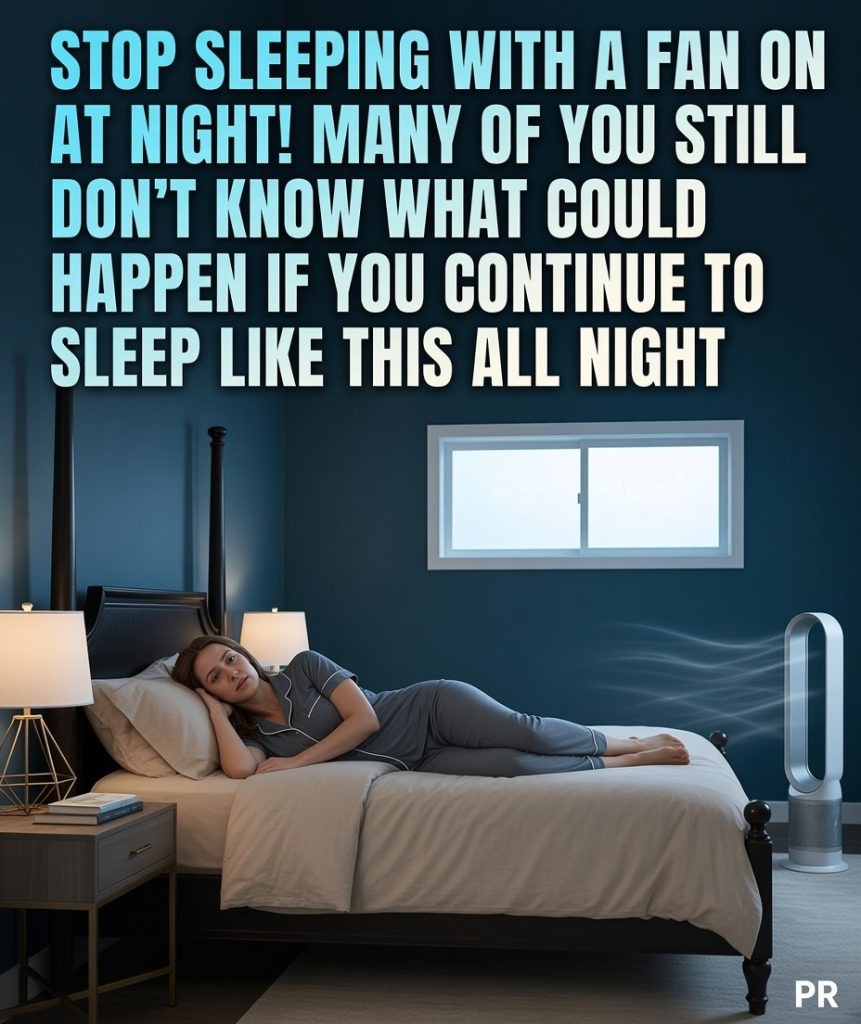
Sleeping with a Fan On: Benefits, Downsides, and How to Optimize Your Sleep Environment
Introduction
Sleeping with a fan on is a widespread practice across many parts of the world, especially during warmer months or in climates where air conditioning may not be available or desired. Fans offer a simple way to enhance comfort during the night—providing a cool breeze, white noise, and improved air circulation. However, there can be drawbacks for some individuals, including dryness, allergies, and even disrupted sleep. This article examines the scientific evidence, expert opinions, and practical strategies for safely using fans in the bedroom to promote quality sleep and overall well-being.
Why People Sleep with a Fan On
The comfort of sleeping with a fan on comes from several factors:
- Temperature control: Fans help lower perceived room temperature by circulating air, allowing the body to cool more efficiently. This is especially beneficial during hot, humid nights.
- White noise: The constant hum of a fan can mask disruptive environmental sounds like traffic, barking dogs, or city noises, helping the brain relax and reducing the likelihood of waking during the night.
- Air circulation: Fans help distribute air throughout the room, preventing it from feeling stuffy or stagnant and can contribute to a fresher atmosphere.
For many, these factors combine to create a more restful and pleasant sleeping environment, sometimes even becoming a nightly ritual that signals the brain it’s time for sleep.
Possible Downsides of Sleeping with a Fan On
While using a fan is harmless for most people, there are several potential drawbacks to consider, especially for those sensitive to airflow, dryness, or airborne particles:
1. Increased Dryness of Airways and Skin
Continuous airflow over the body and face can increase evaporation of moisture from mucous membranes and skin. Common symptoms experienced after a night with a fan running include:
- Dry mouth, especially among mouth breathers
- Scratchy throat or irritated nose
- Sinus discomfort or post-nasal drip
- Chapped lips or dry facial skin
People living in regions with low humidity, or during the winter when indoor air is especially dry, may be more susceptible to these effects.
2. Exacerbation of Allergies or Asthma
Fans can circulate not only air but also dust, pollen, pet dander, and other allergens present in the bedroom. Dusty fan blades can become a source of irritants themselves. As a result, individuals who are sensitive may wake up experiencing:
- Sneezing
- Congestion or nasal stuffiness
- Itchy or watery eyes
- Worsened asthma symptoms
Medical experts, such as those from the Mayo Clinic and Centers for Disease Control and Prevention (CDC), recommend regular cleaning of fans and bedroom surfaces to minimize allergen buildup and exposure.
3. Muscle Stiffness and Tension
If the fan is blowing directly on the body, particularly the neck or shoulders, prolonged exposure to cool air may cause muscle tightness. This can manifest as:
- Stiff neck or sore shoulders
- General muscle discomfort or tension upon waking
This issue tends to be more common among individuals sensitive to cold temperatures or air drafts.
4. Disrupted Sleep Quality
Although fans can create a comfortable sleeping environment for many, for some individuals the fan’s noise, temperature drops, or fluctuating airflow may disrupt sleep cycles.
- Some people may experience micro-awakenings or lighter sleep stages, causing morning fatigue or a feeling of unrest despite adequate time in bed.
- Others may become more sensitive to discomfort caused by dryness, allergies, or muscle tension, leading to sleep fragmentation.
If you consistently feel better rested after sleeping without a fan, your body may be sensitive to one or more of these factors.
Expert Recommendations and Tips for Healthy Fan Use
Most research and sleep specialists agree: fans are generally safe but should be used thoughtfully to minimize potential side effects. Consider the following tips to optimize your sleep environment:
- Avoid direct airflow: Position the fan so that it circulates air across the room rather than blowing directly on your body or face. This reduces drying effects and the risk of muscle stiffness.
- Clean your fan frequently: Dust and allergens accumulate quickly. Wipe fan blades and grills weekly to reduce allergen spread.
- Control humidity: Use a humidifier during dry seasons or climates. Experts recommend keeping bedroom humidity between 40-60% to prevent dry airways and skin.
- Use oscillation mode: If your fan has this feature, let it sweep the room for gentler, less concentrated airflow.
- Set a timer: Many modern fans allow you to set an automatic shut-off after a certain period, such as 1-2 hours. This can provide cooling benefits while you fall asleep, then minimize long-term exposure.
- Evaluate bedtime routines: Stay hydrated, and consider applying hydrating creams or balms before sleep to counteract dryness.
Children, the elderly, and those with respiratory conditions should be especially mindful of these precautions or consult with a healthcare provider regarding the safest approach.
Scientific Insights and Cultural Perspectives
Sleep researchers emphasize that personal comfort and health needs can vary substantially. For example:
- Some cultures, particularly in East Asia, have popularized myths about “fan death” (the idea that sleeping in a closed room with a running fan is dangerous). Scientific investigations, however, have debunked these claims, noting that fans do not deplete oxygen or release harmful substances under normal use.
- Some studies suggest that a cool sleeping environment (around 18°C to 22°C or 64°F to 72°F) encourages deeper sleep cycles, as the body’s core temperature naturally drops at night. Fans can support this by gently lowering ambient temperature, but extreme cold or dryness should be avoided.
- Experts from institutions like the Sleep Foundation and NHS recommend creating a sleep-inducing environment that matches your unique physical and psychological comfort.
Alternatives to Using a Fan While Sleeping
If you find that using a fan causes discomfort, several alternative strategies can help create a comfortable sleep environment:
- Air conditioning: Offers precise temperature control and often includes a dehumidifier feature. Regular filter cleaning is important to avoid circulating dust and allergens.
- White noise machines: Offer the soothing sound of a fan without airflow’s drying effects.
- Natural ventilation: If weather and safety permit, open windows to allow fresh air circulation.
- Breathable bedding: Use lightweight, moisture-wicking sheets and pajamas to avoid overheating.
- Cooling pillows and mattress pads: These specialty sleep products offer passive cooling benefits without the use of fans or electronics.
When to Seek Medical Advice
If you experience persistent symptoms such as morning headaches, severe dry mouth, recurrent congestion, sore throat, or worsened allergy and asthma signs while sleeping with a fan on, it may be worth consulting a healthcare provider. These could be signs of underlying sleep or respiratory issues that need evaluation.
For individuals with chronic respiratory conditions (e.g., asthma, COPD) or severe allergies, taking extra steps to control bedroom air quality and avoid triggers may be especially important.
Conclusion: Customizing Your Sleep for Optimal Health
Sleeping with a fan on is neither inherently good nor bad. It largely depends on individual preferences, sensitivities, and the general environment of the bedroom. Many people enjoy significant benefits from the soothing airflow and white noise a fan provides. For others, small adjustments—like changing the fan’s angle, using a timer, increasing humidity, or cleaning regularly—can help alleviate unwanted symptoms and optimize rest. Listening to your body and experimenting with your sleep setup is key to finding the best arrangement for personal comfort and well-being.
Sources
- Sleep Foundation: Should You Sleep With a Fan On?
- Mayo Clinic: Expert Answers—Allergies
- CDC: Asthma
- NHS: How to Get to Sleep
- BBC Future: Is Your Fan Dangerous at Night?
Disclaimer: This content is intended for entertainment purposes only and is not based on real events.