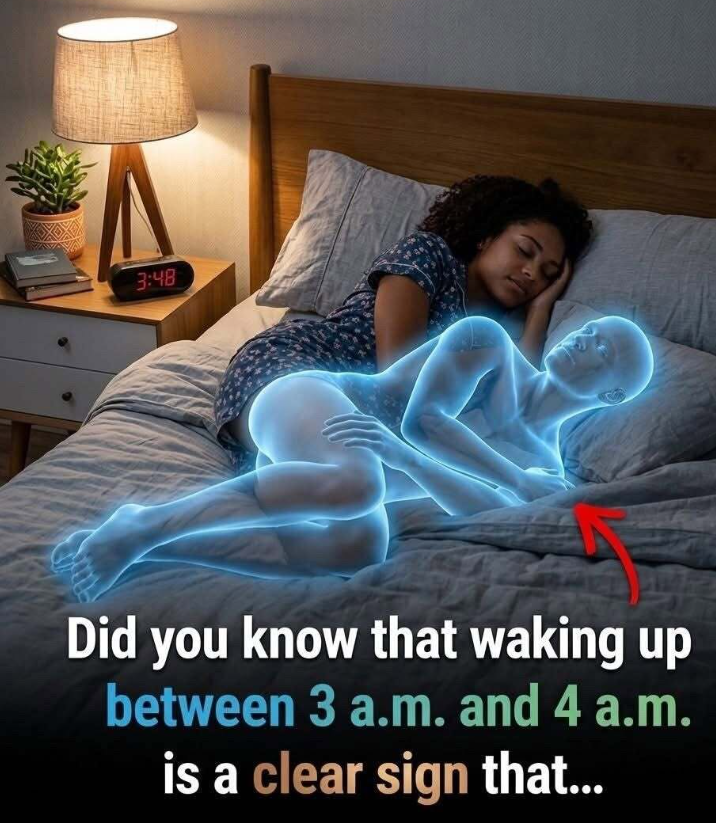
Waking Up at 2 or 3 AM: Understanding Nighttime Awakenings
Introduction
Many people experience the unsettling pattern of waking up at 2 or 3 in the morning, sometimes on a regular basis. While occasional night awakenings are a normal part of sleep, repeated disruptions can lead to frustration, tiredness, and concern about whether something is wrong. This article explores the scientific reasons behind these nocturnal awakenings, psychological and environmental factors, and offers guidance on what they may mean for your health.
The Science of Sleep Cycles
Sleep is a complex biological process, not a single continuous state. Instead, the body and brain transition through cycles of distinct sleep stages multiple times a night. According to sleep researchers and established health organizations like Sleep Foundation and the Centers for Disease Control and Prevention (CDC), the typical adult sleep cycle consists of the following phases:
- Light Sleep (Stage 1 and 2): This is the initial phase of the sleep cycle where the mind and body begin to relax. Light sleep is fairly easy to wake from.
- Deep Sleep (Stage 3): In this restorative stage, the body undergoes important maintenance like cell repair and immune system strengthening. Deep sleep is harder to wake from.
- REM Sleep: Rapid Eye Movement (REM) sleep is where dreaming occurs and the brain processes memories and emotions.
Over a typical night, adults cycle through these stages every 90 to 120 minutes. The proportion of REM sleep increases in the later part of the night, often coinciding with the early morning hours. Thus, it’s common for sleep to become lighter in the early morning.
Why Do We Wake Up at 2 or 3 AM?
As sleep cycles progress, transitions between light sleep and REM phases become more frequent in the early hours before dawn. During these transitions, the brain is more responsive to internal and external stimuli, making awakenings more likely. Brief periods of wakefulness in the night are considered normal and often go unnoticed. However, when wakefulness coincides with the same time every night, patterns may appear.
Common Triggers for Nighttime Awakenings
- Environmental Factors: External noises, changes in room temperature, or lighting can disrupt light sleep or REM phases. Even subtle changes, such as a shift in bedding or a partner’s movement, can trigger wakefulness during sensitive sleep stages.
- Physical Discomfort: Hunger, the urge to urinate, pain, or sleep conditions such as sleep apnea and restless legs syndrome can also cause repetitive awakenings.
- Psychological Factors: Increased stress, anxiety, or rumination can raise alertness, particularly when the brain is cycling through lighter sleep. Mental preoccupations about work, family, or health can trigger or maintain nighttime awakenings.
- Biological Rhythms: Our circadian rhythm, the internal body clock, naturally fluctuates through the night. The body’s tendency to wake up in the early hours may be more pronounced in some individuals.
The Psychological Impact of Repeated Night Awakenings
Once a person begins to notice waking up at the same time repeatedly, this awareness itself can reinforce the pattern. According to experts at the Sleep Foundation, anticipating a wake-up at 2 or 3 AM can heighten alertness as the body approaches that hour, even when no obvious cause is present.
Checking the clock during awakenings can increase anxiety and focus on the time, a phenomenon known as “conditioned wakefulness.” Over time, the brain may start to expect to be awake at that specific hour, thus perpetuating the cycle. This creates an association between a particular time and being awake, which can be challenging to break.
Is Nighttime Awakening a Sign of an Underlying Problem?
In most cases, waking up briefly during the night is harmless and part of normal sleep biology. Occasional awakenings do not mean there is an underlying health problem. In fact, brief wakefulness during sleep was historically more common, with people often having two periods of sleep (“first sleep” and “second sleep”) separated by a brief period of wakefulness, as referenced in historical records and scientific reviews.
However, if night awakenings are accompanied by difficulty falling back asleep, chronic insomnia, excessive daytime sleepiness, mood changes, or other symptoms, it may indicate an underlying sleep disorder or other medical issue. Common conditions that cause night awakenings include:
- Insomnia: Characterized by trouble falling or staying asleep.
- Obstructive Sleep Apnea: Causes repeated breathing interruptions and awakenings.
- Restless Legs Syndrome (RLS): Creates the urge to move the legs, interrupting sleep.
- Nocturia: The need to wake up at night to urinate, especially common in older adults.
- Medical conditions: Chronic pain, reflux, or hormonal changes (such as pregnancy or menopause) may also disrupt sleep.
Strategies to Manage and Prevent Nighttime Awakenings
Understanding typical sleep patterns can bring reassurance. Still, if frequent awakenings are affecting your quality of life, there are effective, evidence-based strategies recommended by sleep experts and major medical organizations.
Optimizing Your Sleep Environment
- Minimize Noise: Use earplugs or a white noise device to block out disruptive sounds.
- Control Light: Use blackout curtains and avoid electronic devices before bedtime to support natural melatonin production.
- Manage Temperature: Keep the bedroom cool and well-ventilated, as overheating can trigger awakenings.
- Comfortable Bedding: Choose a mattress and pillows that provide adequate support.
Supporting Healthy Sleep Habits
- Consistent Schedule: Go to bed and wake up at the same time every day, even on weekends.
- Avoid Stimulants: Limit caffeine, nicotine, and heavy meals late in the day.
- Calm Pre-Bedtime Routine: Engage in relaxing activities, such as reading or gentle stretching, before sleep.
- Avoid Watching the Clock: If you wake during the night, avoid looking at the time. Get out of bed after 15-20 minutes if you cannot return to sleep—read or listen to calming music under low light, then return to bed when sleepy.
Psychological Approaches
- Stress Management: Practice mindfulness, meditation, or deep breathing exercises to manage nighttime stress and anxiety.
- Cognitive Behavioral Therapy for Insomnia (CBT-I): Consider this evidence-based therapy, recommended by the CDC and Mayo Clinic. CBT-I helps address negative thoughts and habits that perpetuate insomnia.
When to Seek Medical Advice
If you experience persistent sleep interruptions that interfere with your daily life, it is important to consult a healthcare provider or a certified sleep specialist. Recurring awakenings with symptoms like snoring, gasping for air, leg discomfort, or frequent urination may indicate an underlying sleep disorder or medical condition. Proper diagnosis and treatment can significantly improve sleep quality and overall health.
Expert Perspectives and Ongoing Research
Sleep science is a continually advancing field. Experts encourage paying attention to both environmental factors and psychological components when addressing nighttime awakenings. According to the Sleep Foundation, simple changes in sleep habits and routines can have a noticeable impact. Ongoing research has also highlighted the link between poor sleep and higher risk for mood disorders, cardiovascular disease, and metabolic disorders, emphasizing the importance of addressing sleep disruptions if they persist.
International sleep medicine organizations such as the World Health Organization (WHO) and national groups (for example, the UK National Health Service) continue to study sleep patterns across different populations and recommend personalizing solutions based on age, lifestyle, and health status.
Conclusion
Waking up at 2 or 3 in the morning is a common sleep experience, often rooted in normal sleep biology, environmental influences, and psychological patterns. Occasional interruptions are usually harmless, but persistent or distressing patterns deserve attention. By understanding how sleep works, optimizing your environment and habits, and seeking professional guidance when needed, most people can achieve more restful and restorative nights.
Sources
- Sleep Foundation: Why Do I Wake Up at 3am?
- CDC: Sleep and Sleep Disorders
- Mayo Clinic: Insomnia
- NHS: How to Get to Sleep
- WHO: Sleep Health
Disclaimer: This content is intended for entertainment purposes only and is not based on real events.