Tonsil Stones: The Viral Sensation and What You Need to Know
The Rise of Tonsil Stones in Viral Culture
In an era dominated by social media and digital content, few health topics have captured public fascination quite like tonsil stones. The emergence of graphic removal videos showcasing these small lumps has propelled tonsil stones from obscurity into mainstream conversation. Not unlike pimple popping or earwax extraction videos, tonsil stone removal clips elicit both disgust and fascination, attracting millions of viewers on platforms such as YouTube, TikTok, and Instagram. While the trend is often viewed as quirky or bizarre, it has also sparked genuine curiosity into what tonsil stones are, why they form, and how best to address them.
As these videos trend, more people are recognizing symptoms or learning about tonsil stones, prompting individuals to seek information from reputable sources—helping dispel myths and encourage informed discussions about oral health.
Understanding Tonsil Stones: Anatomy and Formation
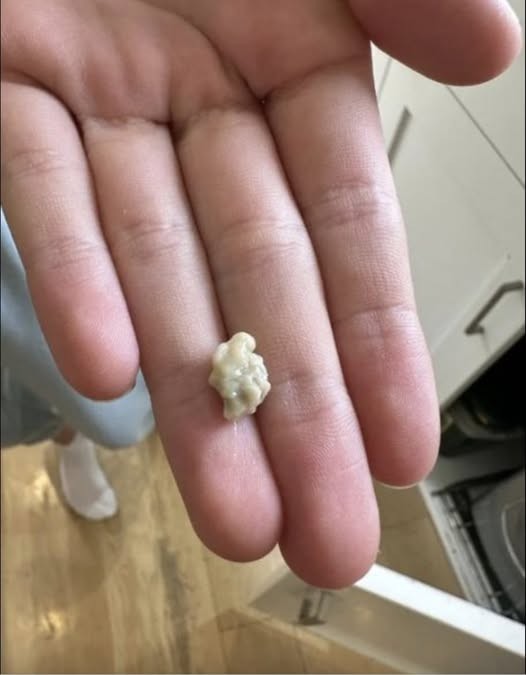
Tonsil stones, medically termed “tonsilloliths,” are clusters of calcified material that develop within the tonsillar crypts—small pockets or crevices in the tonsils at the back of the throat. The tonsils themselves play a crucial role in the immune system, acting as gatekeepers that help filter out pathogens entering the body through the mouth and nose.
Over time, debris such as food particles, dead cells, mucus, and bacteria can accumulate in these crypts. If the material is not cleared, it can harden and calcify, resulting in the formation of tonsil stones. These stones typically appear as white or yellowish lumps, ranging in size from barely noticeable to several millimeters in diameter. According to the Mayo Clinic, tonsil stones are generally benign but can sometimes contribute to discomfort or health issues.
Prevalence and Demographic Insights
Though tonsil stones are a common phenomenon, their prevalence often goes underreported due to the mild or asymptomatic nature of many cases. The Mayo Clinic estimates that approximately three million Americans experience tonsil stones each year, underscoring their frequency. Cases span all age groups, but individuals with larger tonsils or deeper tonsillar crypts may be more susceptible. Some anecdotal evidence suggests a higher prevalence in young adults, possibly due to increased exposure to digital health content and greater awareness of symptoms.
Tonsil stones are not exclusive to any particular demographic or geographic region, reflecting their status as a universal health topic that resonates with people around the world.
Symptoms and Health Implications
While many people live with tonsil stones without experiencing any discomfort, others report a range of symptoms. The most common complaint is halitosis—or chronic bad breath—caused by the odor-producing bacteria trapped in tonsil stones. Additional symptoms include sore throat, difficulty swallowing, persistent coughing, a metallic taste in the mouth, or even referred ear pain. Rarely, larger tonsil stones may lead to inflammation, swelling, or infection, especially in cases where tonsillitis is also present.
These symptoms can be unsettling but are typically non-threatening. Expert opinion, including guidance from the Centers for Disease Control and Prevention and Mayo Clinic, emphasizes that tonsil stones rarely pose significant health risks except in cases of repeated infection or severe discomfort.
Diagnosis: Recognizing Tonsil Stones
For those unfamiliar with tonsil stones, diagnosis can be challenging. Healthcare professionals often identify tonsil stones during routine oral exams, especially if a patient complains of associated symptoms. Sometimes, stones can be seen as white or yellowish specks embedded in the tonsils during a visual inspection. In rare cases, larger stones may be detected through X-rays or CT scans if they cause swelling or other complications.
Self-diagnosis is common, particularly among viewers of viral removal videos. However, experts encourage consulting a medical professional for persistent symptoms, as similar complaints could result from other conditions such as strep throat, tonsillitis, or oral infections.
Treatment Options: Home Remedies and Clinical Procedures
For most individuals, treating tonsil stones is a straightforward process. Minor stones can often be dislodged at home, using methods such as gentle gargling with warm saltwater, coughing, or removing particles with a cotton swab. Some turn to oral irrigators or specialized tools to flush out stones safely. Experts at the Mayo Clinic recommend caution, advising not to apply excessive force, which can injure the tonsils or increase the risk of infection.
Persistent or problematic tonsil stones sometimes require professional intervention. Physicians may use medical instruments to extract the stones or prescribe antibiotics if infection is present. For those who frequently suffer from tonsil stones, surgical options such as tonsillectomy—the removal of tonsils—may be considered. However, this procedure is reserved for severe, refractory cases due to recovery time and possible complications.
Prevention is key in managing tonsil stones. Maintaining good oral hygiene, including regular brushing, flossing, and mouth rinses, can minimize bacterial accumulation and reduce stone formation. Staying hydrated also helps keep mucus thin and less likely to collect in the tonsils.
The Influence of Social Media and Pop Culture
The viral spread of tonsil stone removal videos has provided a window into public intrigue with bodily phenomena. While the content varies from educational to light-hearted, experts caution against attempting at-home removal techniques not verified by medical professionals. Opting for reputable sources—including guidance from otolaryngologists—ensures safety and minimizes risks.
This trend reflects a broader fascination with the human body’s lesser-known functions and conditions. Medical professionals suggest that such viral content, though occasionally graphic, can lead to greater health literacy. It encourages viewers to research and understand conditions previously overlooked, but audiences should be mindful of misinformation or unsafe practices associated with viral trends.
Expert Perspectives and Public Health Insights
Medical experts emphasize that tonsil stones, while often benign, should not be ignored if they cause discomfort or recurring issues. Dr. Steven M. Wright, a board-certified otolaryngologist, notes that most cases resolve with proper oral care, but persistent stones bear monitoring for signs of infection or inflammation. International health authorities, such as the World Health Organization, support public education campaigns focused on oral hygiene, noting its importance in preventing a wide array of dental and throat conditions.
Increased dialogue on tonsil stones has also led to revised guidance in medical training, with clinicians now better equipped to educate patients about tonsillar issues and healthy practices. Peer-reviewed research suggests that open communication between patients and practitioners leads to earlier diagnosis and improved outcomes.
Societal and International Reactions
Societal response to tonsil stones has evolved in step with their emergence in digital culture. While individual reactions range from curiosity to discomfort, the condition sparks important conversations about oral health and self-care. Globally, public health organizations prioritize awareness campaigns, making information more accessible and counteracting misconceptions proliferated online.
News outlets across the world—from the United States to Europe and Asia—have covered the phenomenon, reflecting its relevance in contemporary health discourse. As tonsil stones continue to trend, their moment in the spotlight highlights both the power of viral media and the enduring value of reliable medical information.
Conclusion
Tonsil stones have emerged as a surprising viral sensation, bridging the gap between pop culture and science. Their prevalence, benign nature, and straightforward treatment underscore the importance of oral hygiene and regular medical care. While viral content has raised awareness, it is essential to consult medical professionals for safe advice and to rely on credible sources for information.
As understanding grows, tonsil stones demonstrate how quickly niche health concerns can become part of everyday discourse, prompting both discussion and action toward better oral health.
Sources
Disclaimer: This content is intended for entertainment purposes only and is not based on real events.