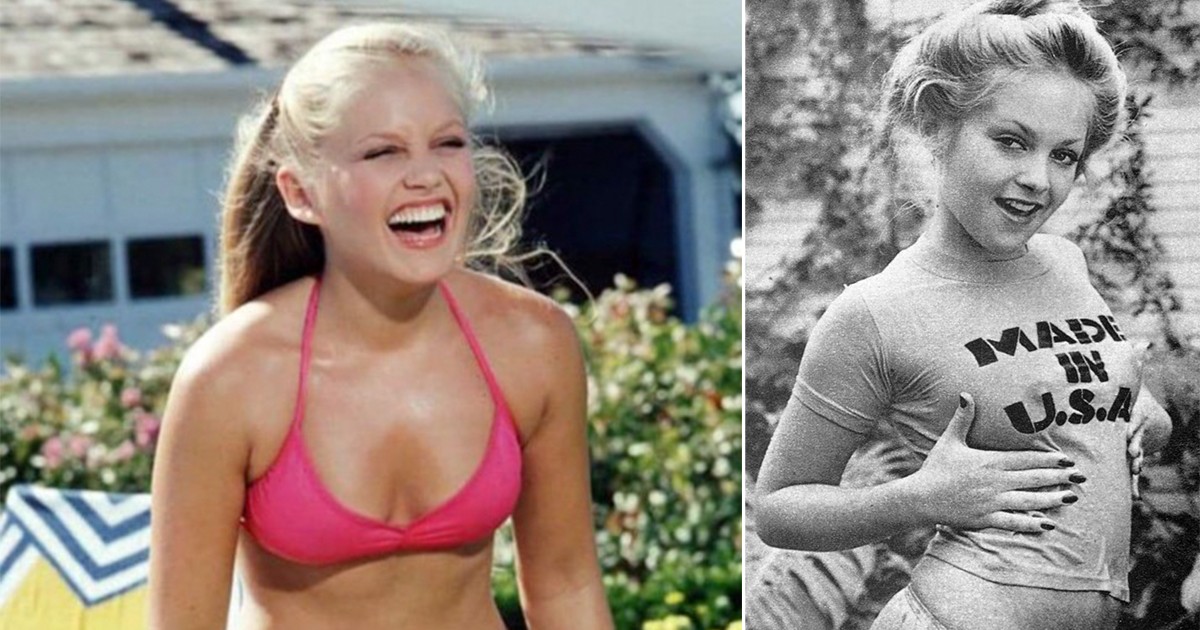
At the Height of Her Fame on Dallas, Charlene Tilton Was Living the Dream—But Behind the Glitz, Her Journey Was a Living Nightmare
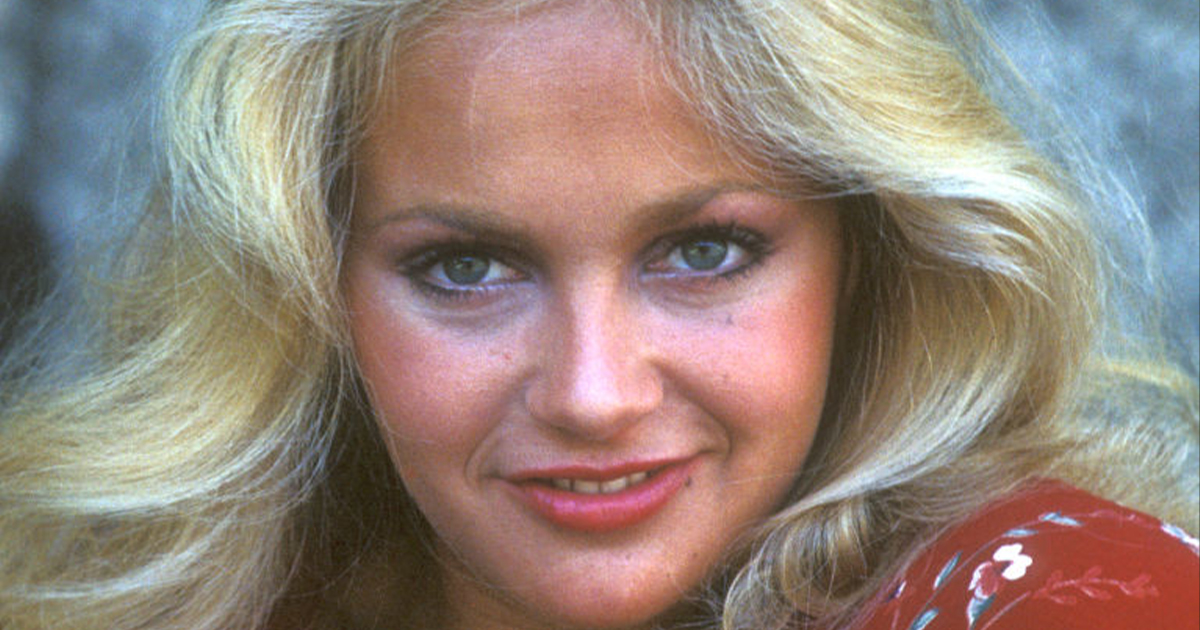
Charlene Tilton captured the hearts of millions as Lucy Ewing in the legendary TV soap Dallas, appearing on over 500 magazine covers and earning a remarkable $50,000 per episode during her peak. Yet, behind the iconic wedding that drew an audience of 65 million viewers in 1981, Tilton’s life was marked by adversity and resilience—a story of survival set against the dazzling backdrop of Hollywood success.
Cultural Impact of Dallas
Dallas wasn’t just a television series; it was a global cultural phenomenon. Through the 1980s, the show’s high-stakes drama, centered on the influential Ewing family, captured weekly attention from millions around the world. The series broke new ground with its serialized storytelling, cliffhangers (most notably the “Who shot J.R.?” storyline), and unforgettable cast dynamics.
Charlene Tilton’s portrayal of Lucy Ewing stood out amidst a constellation of strong personalities. Lucy, the rebellious and passionate niece of J.R. Ewing, was frequently at the emotional heart of the show. Tilton’s performance brought both vulnerability and strength to the character, ensuring her a lasting place in television history.

Lucy wasn’t always the focus, but her presence electrified the screen. Fans eagerly anticipated every appearance, as her character’s unpredictable nature guaranteed drama and intrigue. Tilton’s charm and screen presence made Lucy Ewing a fan favorite—much more than a supporting role; she became vital to the series’ dynamic.
However, Charlene Tilton’s real-life journey to Dallas fame was anything but straightforward.
Early Life of Turbulence and Hardship
Charlene Tilton was born December 1, 1958, in San Diego, California. Her life began amid challenges—her father, a U.S. Air Force pilot, was absent, and her mother, Katherine, struggled with severe and untreated mental health issues. Without the steady presence of two parents, young Charlene’s sense of stability was fragile from the outset.
The instability deepened when her father’s absence became permanent. “My biological father didn’t want anything to do with me. He had to have known about me—Dallas was so huge—but he never reached out,” Tilton later revealed in interviews, underlining the void that persisted throughout her childhood.
When Charlene was just five, she was placed in foster care, shuttling between homes, feeling unwanted and anxious about her place in the world. She once recalled, “I’m never going to depend on anybody to take care of me,” showing a determination that would carry through her later struggles.
The Emotional Toll of Childhood Trauma
The trauma escalated further when, at six, Charlene witnessed her mother being taken away in a straitjacket for psychiatric care. The memory haunted her for years. Yet, these grim experiences shaped her grit and tenacity. Tilton found solace in the worlds of cinema and faith—finding hope in musicals like Mary Poppins and The Sound of Music—and nurturing a dream of becoming an actress.
After her mother’s release from institutional care, Tilton and her mother moved back to California. But the challenges persisted: despite medication, her mother continued to struggle with daily life, leading to unconventional behaviors and a chaotic home. “That went on for years. I could never bring friends over,” Charlene later recalled.
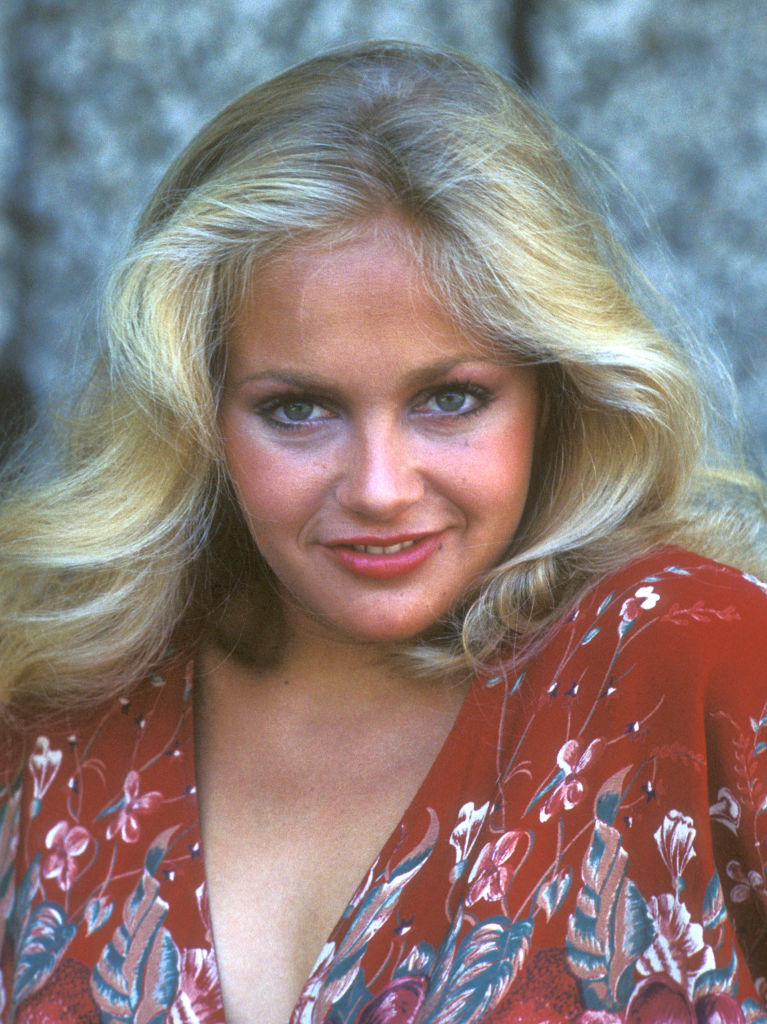
By her teenage years, Tilton sought refuge in drama classes at Hollywood High School. She threw herself into learning her craft and focused on her ambition to break into acting, saying, “I was only interested in getting out and becoming an actress. That’s all I ever thought about.”
Overcoming Personal Embarrassment and Social Stigma
Despite her resolve, the reality of her home life followed her into school. At a junior high dance, Charlene’s mother’s erratic behavior caused intense humiliation. “I wanted to die of embarrassment,” Tilton recalled of the moment her mother had a public altercation with herself.
Yet, Tilton persevered, landing minor roles on prominent TV shows such as Happy Days and Eight is Enough. She made her film debut in Disney’s Freaky Friday (1976) opposite Jodie Foster. Though these early successes hinted at promise, the leap to stardom would demand resilience and initiative.
In 1978, Tilton was considered for Lucy Ewing on Dallas, but the producers were initially unconvinced due to her inexperience. Demonstrating incredible persistence, she repeatedly visited the set for nearly two weeks—until her determination won her the role that changed her life.
Taking on Dallas and Instant Celebrity
The premiere of Dallas marked the beginning of a new chapter—and a whirlwind of fame for Charlene Tilton. Her performance as Lucy Ewing quickly attracted widespread acclaim. The show’s innovative use of serialized cliffhangers and glamorous setting made it compulsive viewing, and Tilton’s Lucy became an icon for a generation. Her wedding episode alone pulled in 65 million viewers, one of the most watched dramatic events in television history.
As Tilton’s career skyrocketed, she became a familiar face on magazine covers, television specials, and talk shows. She appeared on game shows, recorded music, produced short films, and even hosted major national events like the Macy’s Thanksgiving Day Parade and Dick Clark’s New Year’s Eve specials.
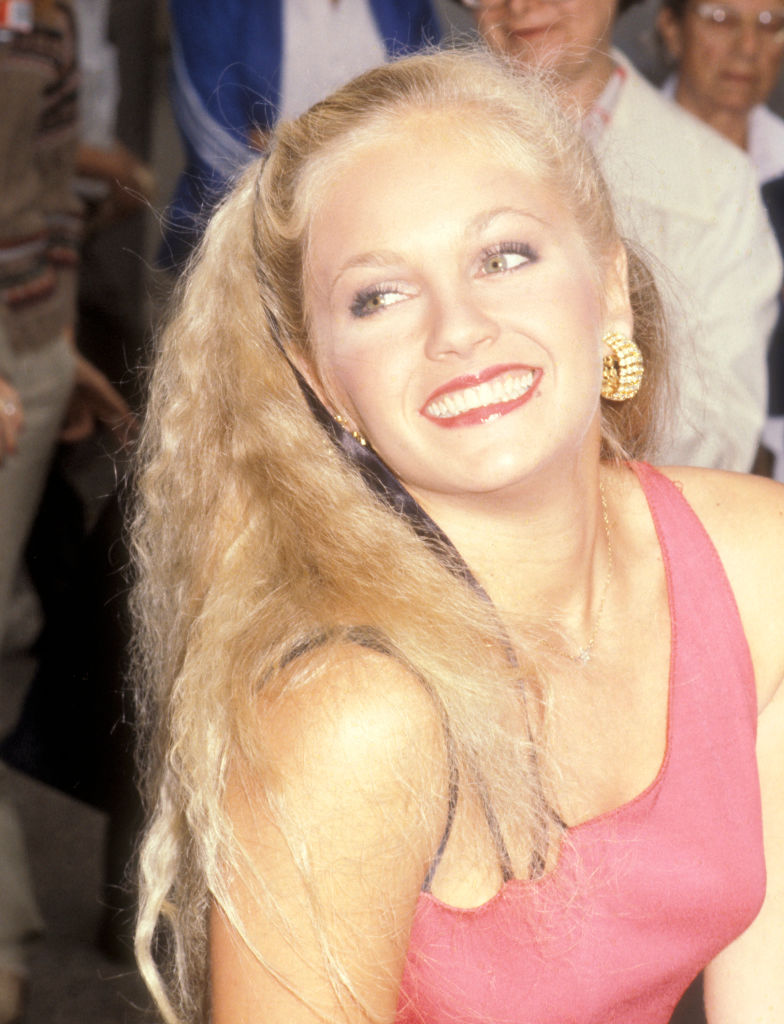
Despite her high-profile career, Tilton’s personal life was tumultuous. She married country singer Johnny Lee in 1982, but the relationship ended in divorce just two years later. The constant attention—sometimes intrusive—took a toll. Public fascination led to uncomfortable encounters in public, including strangers approaching her or grabbing her hair, and a lack of privacy at restaurants with her daughter.
The pressure of celebrity, combined with familial obligations and mounting financial difficulties, culminated in profound stress. Eventually, these struggles contributed to the foreclosure of her home and mounting emotional distress.
Career Setbacks and Personal Losses
As the mid-1980s approached, Tilton’s time at the top of the television world was threatened. Her widely panned appearance as a host on Saturday Night Live coincided with her departure from Dallas in 1985. The change wasn’t easy—her popularity meant thousands of fans wrote in, asking for her to return, and even Larry Hagman, the actor behind J.R. Ewing, reportedly advocated for her comeback.
In 1988, Tilton rejoined Dallas for two more creative seasons, leaving again in 1990. While she did not participate in most of the Dallas reunion films, she did return for Dallas Reunion: The Return to Southfork in 2004, showing her enduring connection to the show and cast, especially Larry Hagman, whose battles with health became an important cause to her.

Tragedy returned to her personal life in 2009 when her fiancé, accomplished cinematographer Cheddy Hart, died suddenly of heart failure at just 54. The loss was devastating. Tilton candidly shared how she retreated into grief, struggling with depression and unhealthy coping habits.
Nevertheless, Charlene Tilton sought to turn her pain into purpose, becoming involved in advocacy work—especially for autism awareness. Through teaching acting to children and adults on the autism spectrum, she found new purpose and a way to heal.
Redefining Life After Hollywood
Today, Charlene Tilton has embraced calm after decades of tumult and uncertainty. Now in her sixties, she lives in Nashville, Tennessee, finding joy in her role as a grandmother to two grandsons—whom she fondly calls “Glamma.” Her daughter, Cherish, has been a constant pillar of support.
Tilton has not shied away from reflecting on her traumatic roots. A recent DNA test revealed she had three half-siblings, also estranged from their biological father. Though they never had the chance to meet him before his death, Tilton expressed peace and acceptance with her past: “I don’t carry a chip on my shoulder. I don’t get into self-pity. I see the bright side of things, and that’s served me well during tumultuous times.”

Her journey from foster care to fame was never easy, and the pressures of celebrity could have eroded her spirit. Instead, Charlene Tilton’s courage and compassion have become beacons for people struggling with adversity, loss, or dreams that seem out of reach.
Tilton’s Resilience and Enduring Legacy
The story of Charlene Tilton is much more than a behind-the-scenes look at Dallas or a litany of Hollywood woes. It is a powerful testament to human resilience. She survived an unstable childhood, overcame rejection, and withstood personal tragedies that could have defined her. Instead, she transformed her experiences into advocacy, community engagement, and the nurturing of the next generation of performers.
Her journey offers hope and encouragement, proving that even against the odds, it is possible to persevere and find fulfillment. For millions who watched her on television or who now learn of her story, Charlene Tilton remains an inspiration.
Further Reading
- How Victoria Principal looks at 75
- The sultry Heather Thomas struggled with addiction – but look at her now
Sources
Disclaimer: This content is intended for entertainment purposes only and is not based on real events.