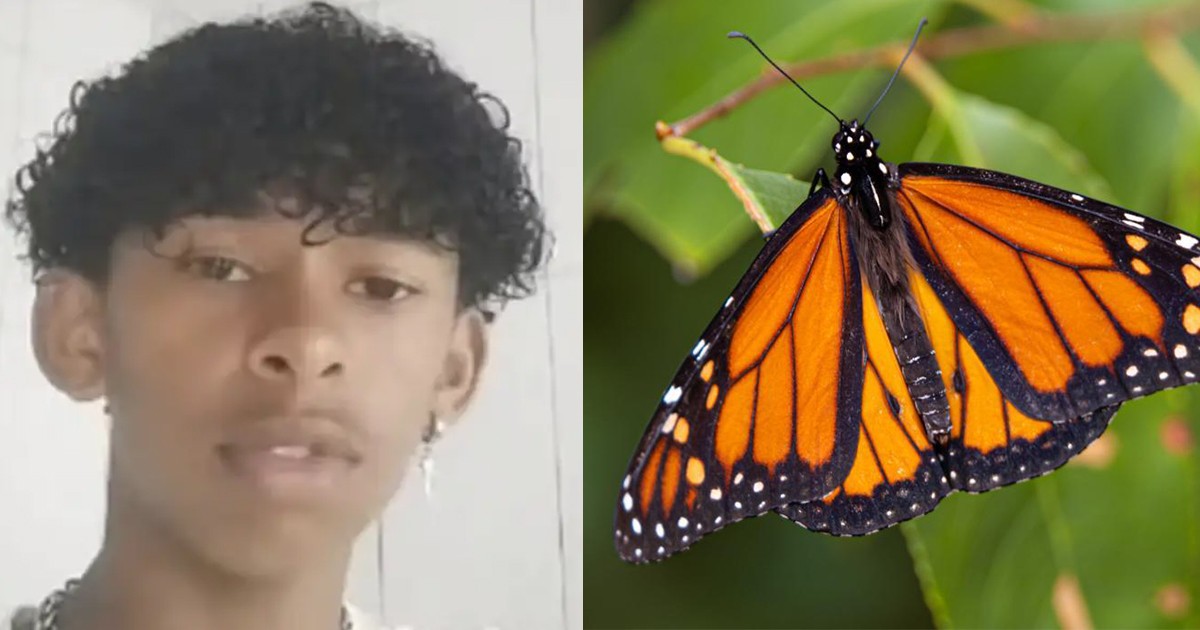
Tragic Death of 14-Year-Old Davi Nunes Moreira Highlights Dangers of Viral Internet Challenges

The devastating loss of 14-year-old Davi Nunes Moreira in Brazil has reignited global concerns about the rise of dangerous viral internet challenges among adolescents. Davi’s death, the result of a fatal experiment inspired by a trend on social media, serves as a somber reminder of the very real risks associated with online notoriety and peer-driven stunts.
The Rise of Dangerous Internet Challenges
Social media platforms have become fertile ground for viral challenges and dares, some of which encourage risky or unsafe behavior. While many online trends are harmless or comedic, others have led to severe injuries, hospitalizations, and, in tragic cases, loss of life. Public health experts express growing concern about the psychological and social dynamics that drive young people to participate in these challenges, often seeking online validation or attention from peers.
In recent years, incidents have ranged from the “Tide Pod Challenge” to dangerous stunts involving fire or extreme cold. According to pediatricians and psychologists, adolescents may be particularly vulnerable due to the psychological impacts of social media, peer influence, and an underdeveloped assessment of risk.
A Dangerous Experiment Turns Fatal
Davi Nunes Moreira’s tragic story began when he attempted to participate in a viral internet challenge that involved injecting a homemade mixture into his leg—an act reportedly intended to gain attention on social media. According to investigators, Davi crushed the wings of a dead butterfly, mixed them with water, and injected the substance into his own leg. The effects were immediate and disastrous.
Initially, Davi tried to conceal the cause of his symptoms, telling his father that he had hurt himself while playing. However, as his condition deteriorated and he began to experience severe pain, vomiting, and limping, the truth emerged. A syringe was found hidden under his pillow, and Davi confessed to hospital staff about the experiment. This revelation helped doctors and authorities piece together the events that led up to his hospitalization.
A Painful Seven-Day Struggle
Despite receiving medical attention and the best efforts of doctors at a hospital in Planalto, Brazil, Davi’s health continued to decline over the course of a harrowing week. He suffered excruciating pain, and his symptoms worsened with each passing day. Ultimately, he passed away seven days after the injection, reportedly as issues such as infection, embolism, or possibly a severe allergic reaction set in.
Luiz Fernando D. Relvas, a specialist at the treating hospital, explained to Brazilian news outlet VivaBem that it was difficult to determine the exact mechanism of Davi’s death given the unusual nature of the incident. “It could have been an embolism, an infection, or an allergic reaction,” Relvas said. The lack of detailed knowledge regarding the substances involved further complicated treatment options. “We do not know how he prepared this mixture or the size of the fragments he managed to inject into his body,” the expert continued, underscoring the unpredictable nature of unstudied biological substances when introduced to the human bloodstream.

Relvas also warned that introducing any foreign material, especially by injection, can result in critical complications. “There may have been air left inside, which could lead to an embolism,” he noted—a condition that can quickly turn fatal.
The hospital’s medical team, alongside investigators, continued to search for answers. Authorities launched an official inquiry to determine whether toxins from the butterfly could have played a role in organ failure and septic shock, which appeared to have been contributing factors in Davi’s decline.
Expert Views: Toxicity and Internet Influence
Professor Marcelo Duarte, director of Sao Paulo University’s Zoology Museum and an expert on butterflies, noted that “the fluids present in [butterflies’] bodies have not been studied in depth in terms of their toxicity to humans.” While most butterflies are not known to contain harmful toxins, the lack of comprehensive research leaves questions unanswered, particularly when such biological material is injected rather than ingested or encountered in nature.
Experts in adolescent psychology and digital culture warn that the influence of viral challenges on teenagers can be profound. Maria Carolina de Oliveira, a child psychologist in São Paulo, explains, “Young people are at a stage of development where social approval is especially important. When that approval is defined by what is popular online, it can drive some teens to take dangerous or extreme actions.” Organizations like the American Academy of Pediatrics and the World Health Organization have called for better education, supervision, and regulation to protect children and teenagers from such risks.
Ongoing Investigation and Community Response
Civil Police in Vitoria da Conquista, Brazil, are currently leading the investigation into Davi’s death. An autopsy is expected to clarify the exact cause of death and may provide additional insights into the specific physiological damage resulting from this unusual incident. Brazilian media coverage has sparked a public debate on the responsibilities of social media platforms, guardians, and society at large in preventing similar tragedies.
Local leaders, educators, and child safety advocates are urging for stricter online content moderation and for the introduction of digital literacy programs in schools. These initiatives would seek to educate young people about the dangers of risky online behavior and the importance of discerning safe from unsafe content on social networks.
The broad and impactful response from the Brazilian public has also led to calls for increased investment in mental health resources for teenagers, especially those experiencing social isolation or seeking validation and acceptance online.
Similar Incidents and the Global Phenomenon
Davi’s death, while particularly tragic, is not an isolated incident. Across Brazil and the world, other young people have suffered serious injuries after attempting dangerous viral challenges. Last year, for example, the Brazilian influencer known as “Thammy MC” participated in a viral dare that involved standing in a bucket filled with ice and salt. The stunt, which was broadcast to her large online following, resulted in severe injury: her feet turned black due to frostbite, and she narrowly escaped the amputation of her toes.
Similar stories have emerged internationally, from the United States to Europe, as youth and young adults imitate hazardous online stunts. Some have attempted to ingest or inhale household substances, while others have tried dangerous acrobatic feats, often with the intent of gaining fame or viral status online.
International Expert Reactions and Preventive Efforts
Public health authorities, including the World Health Organization and Centers for Disease Control and Prevention, stress the importance of digital safety education. They have published guidelines for parents and educators on how to talk with children about safe internet use, warning signs of dangerous online behavior, and the need for open conversations about peer pressure.
In the United Kingdom, organizations such as the NSPCC offer hotlines and resources for parents who notice their children engaging with risky online content. In the United States, school districts in several states have implemented media literacy education, aiming to empower students to critically evaluate the content they consume and share on social networks.
At the same time, social media platforms face increasing scrutiny. Global regulatory efforts are underway to ensure that potentially harmful challenges are rapidly identified and removed before they go viral. Social networks like TikTok, YouTube, and Instagram have introduced measures such as content flagging, age restrictions, and warnings on trending challenges, though enforcement and reach remain ongoing challenges.
Supporting Teens and Preventing Future Tragedies
Ultimately, the heartbreaking death of Davi Nunes Moreira spotlights the urgent need for collective action among parents, educators, online platforms, and policymakers. Experts recommend:
- Open communication between parents and children about online trends and the dangers of risky behavior;
- Building critical thinking and resilience in young people so that they do not succumb to online peer pressure;
- Regular monitoring of social media activity and guidance on safe online practices;
- Investment in youth mental health resources, including counseling and digital wellness education;
- Collaborative international efforts to research, identify, and mitigate viral threats quickly.
It is through informed vigilance, compassion, and proactive education that similar tragedies can be avoided, allowing young people to explore the online world safely and without fear of life-changing consequences.
Conclusion
The story of Davi Nunes Moreira is a stark warning about the dangers posed by viral challenges that proliferate on social media platforms. His untimely death highlights the vulnerabilities of adolescents, the power of online influence, and the pressing need for stronger safeguards. Through collective action and greater awareness, parents, educators, and society can protect the well-being of the next generation and foster a safer digital environment.
Sources
- Reuters
- BBC News
- The Guardian
- Daily Mail
- Newsner
- World Health Organization
- Centers for Disease Control and Prevention
- Mayo Clinic
Disclaimer: This content is intended for entertainment purposes only and is not based on real events.