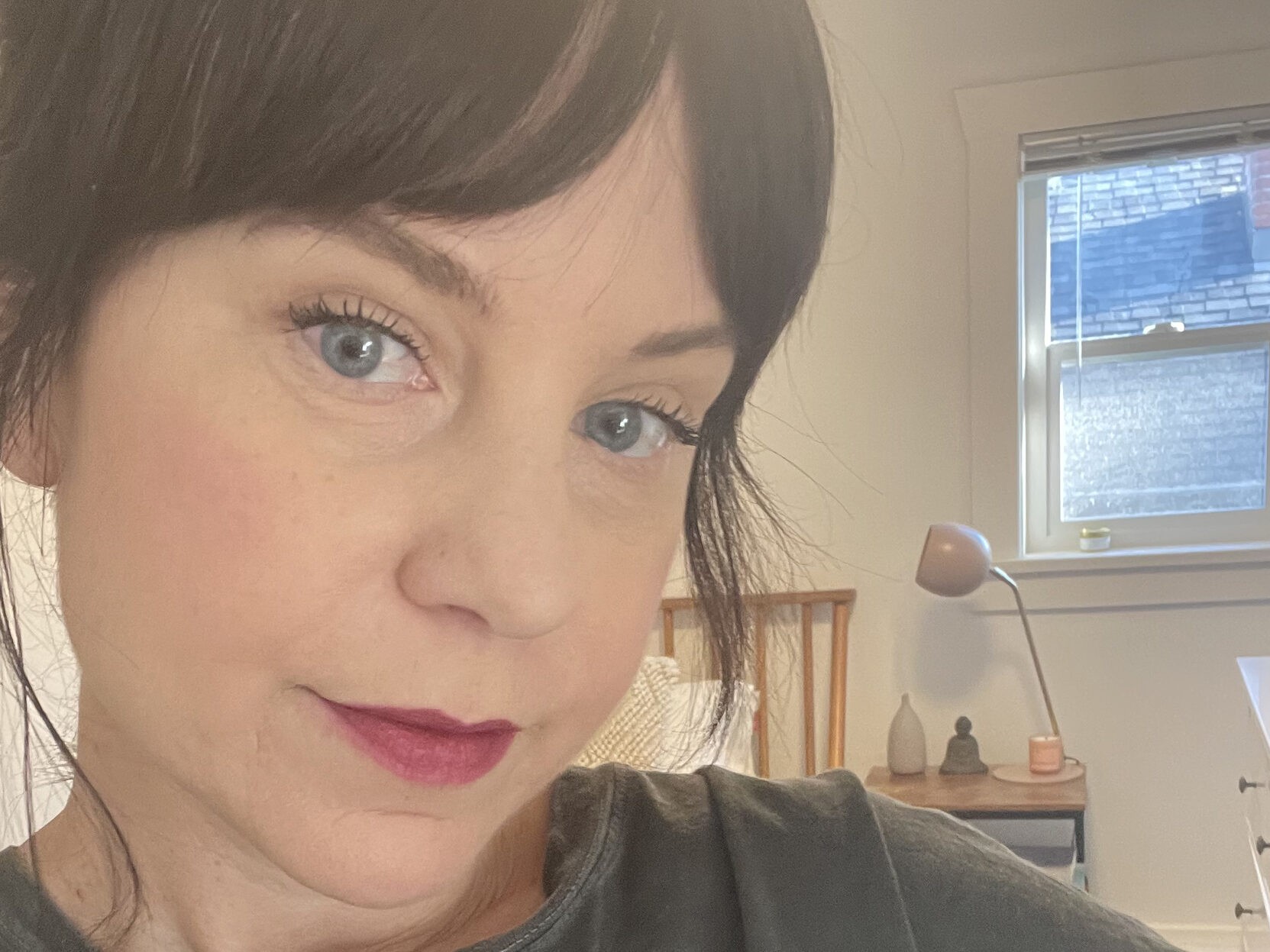
Think Alzheimer’s only strikes the elderly? Think again.

Alzheimer’s disease is often thought of as a condition affecting seniors, but in reality, it can emerge much earlier—changing lives dramatically for people in their 40s or 50s. Early-onset Alzheimer’s is an especially devastating form, as it robs individuals not only of memory but also of their autonomy in the prime of life.
One powerful example is Rebecca Luna, a mother, professional, and advocate who was diagnosed with early-onset Alzheimer’s at age 48. Her story, as she shares through social media and public platforms, highlights the challenging realities many families face when Alzheimer’s does not follow the typical timeline—and emphasizes the urgent need to understand, support, and research this misunderstood condition.
Understanding Early-Onset Alzheimer’s Disease
Alzheimer’s disease is a progressive neurological disorder characterized by the deterioration of memory, thinking skills, and the ability to carry out simple tasks. While it is most commonly associated with older adults, early-onset Alzheimer’s refers to cases where symptoms appear before the age of 65, sometimes as early as the 40s and 50s.
The Alzheimer’s Association estimates that approximately 5-6% of all people with Alzheimer’s experience the early-onset form. Despite its rarity, the impact is profound—affecting careers, caregiving for young children, relationships, and future plans. The World Health Organization recognizes dementia, including Alzheimer’s, as a major public health concern worldwide.
Early-onset Alzheimer’s can be harder to diagnose, as symptoms are often mistaken for stress, depression, or even the normal forgetfulness associated with a busy lifestyle. This can delay intervention and support, making awareness of the condition crucial both for healthcare providers and the general public.
Rebecca Luna’s Journey: A Diagnosis That Changed Everything
Rebecca Luna was, by all accounts, excelling in her career while balancing the daily responsibilities of motherhood. But when she began to notice persistent forgetfulness, she initially attributed it to stress—a common first reaction for many in the same situation. The turning point came at work, when she unexpectedly found herself unable to recall even basic job tasks that were previously second nature. “I opened my computer and I didn’t know where to start. There was just… nothingness,” Luna recalled in an interview with Yahoo News.
Following a series of assessments by medical professionals, Luna was diagnosed with a rare, aggressive form of early-onset Alzheimer’s. “This disease is terminal and progressive, with a shorter (around eight years) life expectancy,” she shared transparently on her GoFundMe page. Her candid approach aims to educate her community and help others recognize and respond to cognitive changes early on.
Luna’s battle is not just personal—it’s a fight for her family’s future. As Alzheimer’s progresses, she faces the loss of her ability to work, live independently, and support her children financially and emotionally. Her openness about these challenges underscores why early-onset Alzheimer’s demands special public awareness, policy response, and financial planning tools for younger families at risk.
Daily Life and Dangerous Consequences
Alzheimer’s disrupts more than job performance; it can compromise basic safety at home. Luna recalls an incident that nearly resulted in disaster: she forgot an egg boiling on the stove and left the house. Only upon arriving downtown did she remember the stove was still on. Returning home, she found her home filled with smoke—a stark warning of the risks inherent in living independently with advanced Alzheimer’s.

Such experiences are common in individuals living with cognitive impairment. They highlight the intricate balance between protecting personal independence and ensuring everyday safety. For many diagnosed in the prime of their lives, this often signals the pressing need for increased home supervision, support from loved ones, and sometimes costly adjustments to daily routines.
Mental Health, Family, and Finding New Strength
Receiving an early-onset Alzheimer’s diagnosis is not only a medical and logistical challenge—it is a profound emotional journey. Luna uses social media platforms like TikTok and crowd-funding sites to share her authentic perspective: from raw vulnerability in her daily struggles to moments of hope as she advocates for herself and others. Her willingness to be vulnerable has resonated with viewers and sparked important conversations about dementia among younger populations.
Luna emphasizes the need for empathy and presence from loved ones: “What I really need is a hug from my family,” she says. One of her top pieces of advice for caregivers and families is to meet people with Alzheimer’s exactly where they are, without criticism or overwhelming reminders. “Be patient, believe us, and offer understanding. Love and basic emotional support are what matter most,” she counsels.
Her story is a reminder that Alzheimer’s is not just about memory loss—it’s about losing pieces of personal identity, cherished experiences, and plans for the future. Opening dialogue and raising awareness can alleviate some of the stigma and isolation too often felt by those with dementia.
Diagnosis and Genetic Considerations
Diagnosing early-onset Alzheimer’s presents unique challenges. Symptoms can be subtle and misattributed to stress, psychiatric illness, or natural aging. According to experts at the Mayo Clinic and the Alzheimer’s Association, a thorough evaluation includes neurological exams, cognitive assessments, and advanced imaging such as MRI or PET scans. Sometimes, genetic testing is recommended—especially for younger patients, as a small percentage of early-onset cases are linked to inherited gene mutations.
These rare familial forms of Alzheimer’s can pass from one generation to the next. Awareness of family history can guide both medical care and personal decisions, and experts urge open conversations with doctors about cognitive or behavioral changes at any age. Early and accurate diagnosis allows individuals and families to access support systems, participate in clinical trials, and proactively plan for the future.
Societal and International Implications
The global burden of dementia is rising, according to the World Health Organization. Early-onset cases require unique workplace policies, legal safeguards, and community support. Increasing numbers of advocacy groups and neurologists are urging greater investment in dementia research and support services—a sentiment echoed by Luna and many families like hers.
In many countries, services are designed for older adults, which can leave younger individuals without age-appropriate resources or social engagement. International organizations are working to reduce stigma and promote inclusion. This includes expanded access to counseling, support groups, vocational adjustments, and respite care for family caregivers. Luna’s use of social media to tell her story reflects a broader trend: harnessing technology to generate awareness, build community, and drive change.
Promising Research and Progress Toward a Cure
While Alzheimer’s disease remains incurable, recent years have seen advances in scientific understanding and experimental treatments. The U.S. Food and Drug Administration has approved new therapies that target amyloid plaques—a hallmark of Alzheimer’s pathology. Clinical trials are ongoing worldwide, investigating disease-modifying drugs, lifestyle interventions, and even digital cognitive training for adults at risk.
Experts from the Alzheimer’s Association, Mayo Clinic, and National Institute on Aging all underline the importance of early intervention. While many medications provide only modest symptom relief, ongoing research offers hope for more effective solutions in the future. Participation in trials is especially important for early-onset patients, whose unique biology may point to new discoveries.
Preventative health—such as controlling blood pressure, staying physically and socially active, and managing chronic health conditions—also plays a role in reducing dementia risk, according to the World Health Organization and Centers for Disease Control and Prevention.
How Communities and Individuals Can Make a Difference
Individuals diagnosed with early-onset Alzheimer’s need a robust network of support. Community organizations, healthcare professionals, and advocacy groups all play crucial roles:
- Workplaces can adopt flexible policies for affected employees and their caregivers.
- Governments can improve access to disability benefits and long-term care resources for younger adults.
- Healthcare systems can provide age-appropriate memory clinics and counseling services.
- Family and friends can foster understanding and maintain inclusion of individuals with dementia into community life.
Fundraisers like Luna’s GoFundMe not only assist with financial insecurity but also raise awareness, connect families, and reduce the stigma of cognitive decline. Her call for love and presence resonates: “What matters most are the moments we have now—and the compassion we offer each other along the way.”
For those who want to learn more, support, or join advocacy efforts, resources are available through organizations such as the Alzheimer’s Association, Mayo Clinic, and the WHO, in addition to community-led digital campaigns like Luna’s.
Conclusion: Facing the Future of Alzheimer’s Together
Early-onset Alzheimer’s disease challenges long-held assumptions about aging and memory loss. Through the story of individuals like Rebecca Luna, society is gaining a deeper understanding of this condition and the necessity for research, education, and compassionate support at all ages.
As medical science searches for more effective therapies, the greatest progress may begin with awareness, advocacy, and the willingness to embrace those living with dementia—helping them and their families hold onto hope.
Sources
- Alzheimer’s Association
- World Health Organization (WHO)
- Mayo Clinic
- Centers for Disease Control and Prevention (CDC)
- Reuters
- The Guardian
- BBC
Disclaimer: This content is intended for entertainment purposes only and is not based on real events.