When the Familiar Isn’t Safe: A Lesson from a Hidden Camera in an Airbnb
In the modern era, technology is closely intertwined with convenience. From booking rides to reserving vacation homes, people today rely on digital platforms that promise security, comfort, and reliability. However, as our trust in these services grows, so too does our exposure to unexpected risks, especially when safety is taken for granted. One such unsettling experience—a guest discovering a hidden camera in an Airbnb smoke detector—highlights the importance of vigilance and the need for ongoing awareness around privacy and security in short-term rentals.
The Incident: What Happened During a Stay at an Airbnb
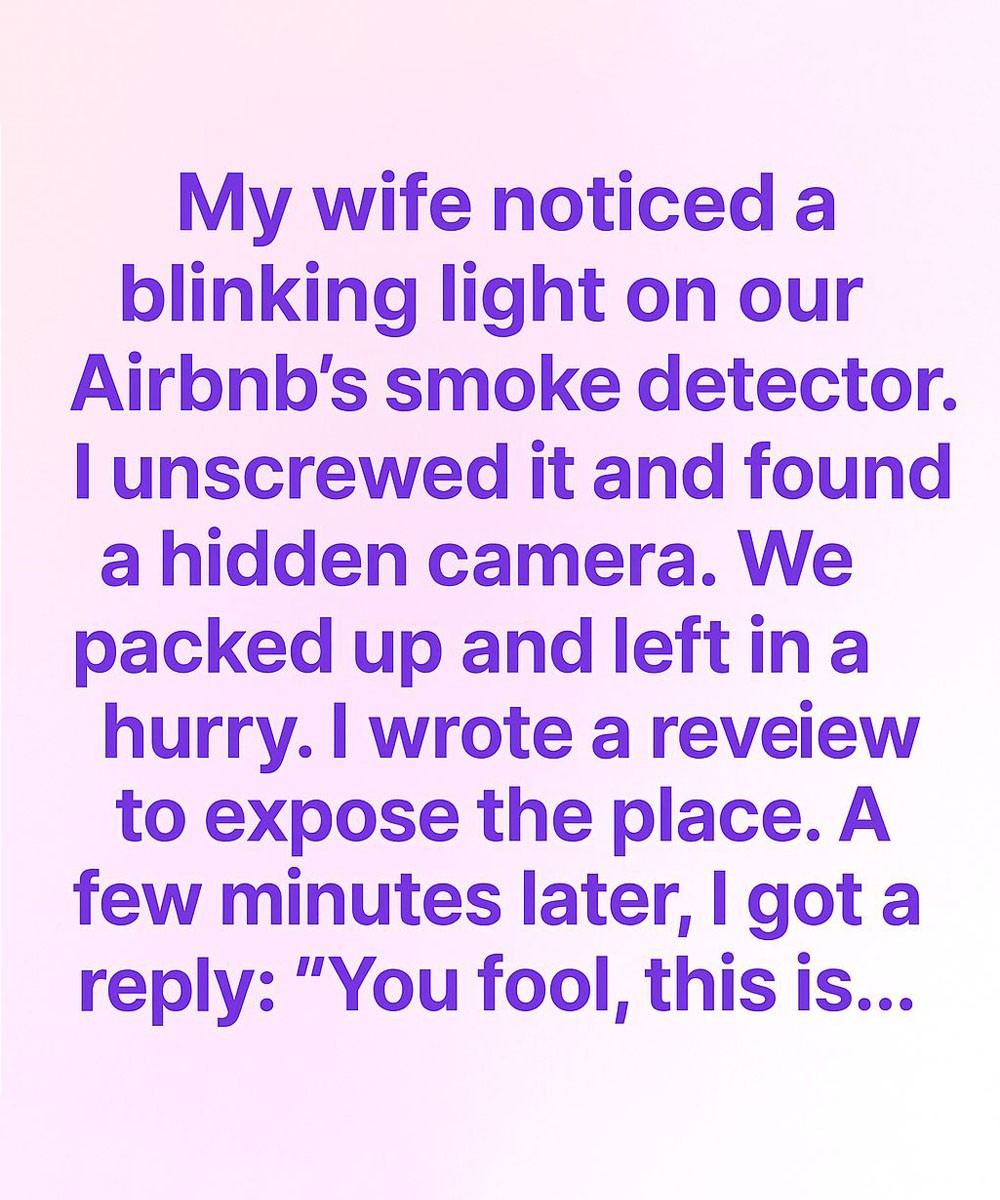
The story unfolded quietly and disturbingly, as an ordinary stay in a well-reviewed Airbnb took a traumatic turn. While settling in, the guest’s wife noticed an unusual blinking light emanating from the smoke detector. Upon closer inspection, her husband unscrewed the device, revealing a hidden camera lens inside.
Their immediate reaction was fear and urgency. They quickly packed their belongings, left the property, and relocated to a safe spot in a diner parking lot two towns away. From there, the guest posted a review to warn future visitors of the privacy breach. The notification he received afterward underscored the reality of digitally interconnected platforms—good or bad news travels fast.

Understanding the Growing Threat of Hidden Cameras
Incidents of hidden cameras in short-term rentals are not isolated. As the popularity of sites like Airbnb and Vrbo has soared, so have reports of privacy violations involving surreptitious recording equipment. A 2019 survey by property management site IPX1031 found that 11% of American Airbnb guests reported discovering hidden cameras in their rentals. This statistic may be conservative, given that many hidden devices are difficult to detect and some guests choose not to report their findings.
Hidden cameras can take many forms. They may be embedded in clocks, air purifiers, picture frames, USB chargers, or household appliances like smoke detectors. Advances in technology have made these devices tiny and inconspicuous, yet capable of high-quality video and audio recording.
Why Privacy Matters: Legal and Ethical Considerations
The presence of a hidden recording device in a private space, such as a rented home or room, raises significant legal and ethical questions. In most countries, it is illegal to film or record individuals in areas where they have a reasonable expectation of privacy. For instance, Airbnb’s policy explicitly prohibits cameras or other recording devices in private spaces like bedrooms and bathrooms. Cameras in common areas must be disclosed to guests before booking, and undisclosed surveillance is banishable.
Legal responses vary by jurisdiction. In the United States, privacy laws differ from state to state, but generally, hidden surveillance without consent is unlawful. In the European Union, data protection laws such as the General Data Protection Regulation (GDPR) set strict requirements on the collection and disclosure of personal data, including images and audio recordings.
The Psychological Impact of Privacy Violations
Discovering a hidden camera in a supposed safe haven can be deeply unsettling and traumatic. Many affected guests experience anxiety, distress, or ongoing feelings of insecurity after such incidents. The invasion of privacy can trigger trust issues—not just with a platform or a property, but with the sharing economy at large. For some, travel becomes associated with stress over personal safety and exposure rather than relaxation.
What Airbnb and Other Platforms Are Doing
In response to rising privacy concerns, companies like Airbnb, Vrbo, and Booking.com have implemented or strengthened policies around surveillance devices in listings. Hosts are required to disclose all cameras, even those that are non-operational, and must not install devices in private areas. Platforms offer clear reporting mechanisms to allow guests to flag suspicious devices or experiences.
Despite these efforts, enforcement can be difficult. Platforms rely on hosts’ self-reporting and guest vigilance, and the volume of listings worldwide makes proactive physical checks challenging. When reports are made, companies generally act swiftly to investigate, remove offending listings, and provide support to affected parties—including refunds, relocations, and even cooperation with law enforcement where appropriate.
Expert Advice: How Guests Can Protect Their Privacy
Experts in security and privacy recommend a practical approach to safeguarding your privacy when using short-term rentals:
- Scan for unusual objects: Upon arrival, inspect areas where cameras could be concealed: inside clocks, smoke detectors, air fresheners, and other everyday devices.
- Look for small holes or lights: Many hidden cameras have tiny lenses or indicator lights that may be visible on close inspection.
- Use your smartphone: Shine a flashlight around the room; camera lenses may reflect light. Some smartphones also feature apps that can detect infrared signals from wireless cameras.
- Read and review listing photos: Compare the rental unit to online listing photos. Unfamiliar devices or modifications can be a red flag.
- Ask the host directly: Especially if something seems off, don’t be afraid to request a quick walkthrough or clarification about any object that appears suspicious.
If a hidden camera is suspected or found, guests are advised to leave the property immediately, document the discovery (taking photos or video evidence), and report the incident both to the platform and, if appropriate, to local authorities.
Hosts’ Perspective: Maintaining Trust and Following Best Practices
The vast majority of short-term rental hosts strive to provide safe, welcoming environments for their guests. To maintain trust and comply with platform rules, hosts should:
- Fully disclose any cameras, including those used for exterior security.
- Avoid placing any cameras in private areas like bedrooms or bathrooms.
- Regularly review local privacy laws to remain compliant.
- Respect the guest’s expectation of privacy and seek to foster an atmosphere of trust.
Transparency benefits both sides. Disclosure maintains compliance and can shield hosts from liability; it also reassures conscientious guests that their privacy is a priority.
International Responses and Policy Reforms
Hidden camera incidents have sparked headlines and regulatory reassessment globally. Countries including South Korea, Germany, and the United Kingdom have documented cases, leading to varying degrees of government action. South Korea, for instance, has witnessed a surge in reports of “spy cams” in rental accommodations, spurring national police crackdowns and legislative proposals to address privacy in the context of technology and travel.
Internationally, there have been calls for stricter platform accountability and enhanced vetting of hosts and properties. Advocacy organizations emphasize enhanced guest education, transparency around data protection, and clear legal recourse for victims of privacy violations. As the short-term rental economy matures, evolving standards are expected to better safeguard both guests and hosts worldwide.
Societal Impact: Trust in the Sharing Economy
Incidents of hidden surveillance in short-term rentals place strain on the foundation of the sharing economy: trust. Yet, experts note that while such cases are deeply troubling, they remain statistically rare when compared to the millions of successful stays completed each year.
Ongoing dialogue between platforms, guests, and regulators aims to strike a balance between innovation, convenience, and safety. As privacy laws evolve and platform policies grow stricter, the industry must remain responsive to new forms of technology-facilitated risk and ensure that guest well-being is paramount.
Conclusion: Vigilance Is Essential
The story of the hidden camera in an Airbnb is more than a cautionary tale—it is a wake-up call for both travelers and providers of short-term accommodations. Guests should arm themselves with knowledge and practical methods for protecting their privacy, while hosts and companies must prioritize transparency and compliance with laws and ethical standards. As technology continues to evolve, collective vigilance and open communication will remain the best defense against potential privacy intrusions in our increasingly interconnected world.
Sources
- BBC News – Airbnb and Hidden Cameras: Guest Horror Stories
- Reuters – Airbnb Responds to Privacy Concerns After Hidden Camera Reports
- The Guardian – Airbnb’s Hidden Camera Policies and Privacy Law
- CDC – Privacy in Practice
- Al Jazeera – Hidden Cameras and Airbnb Security
Disclaimer: This content is intended for entertainment purposes only and is not based on real events.