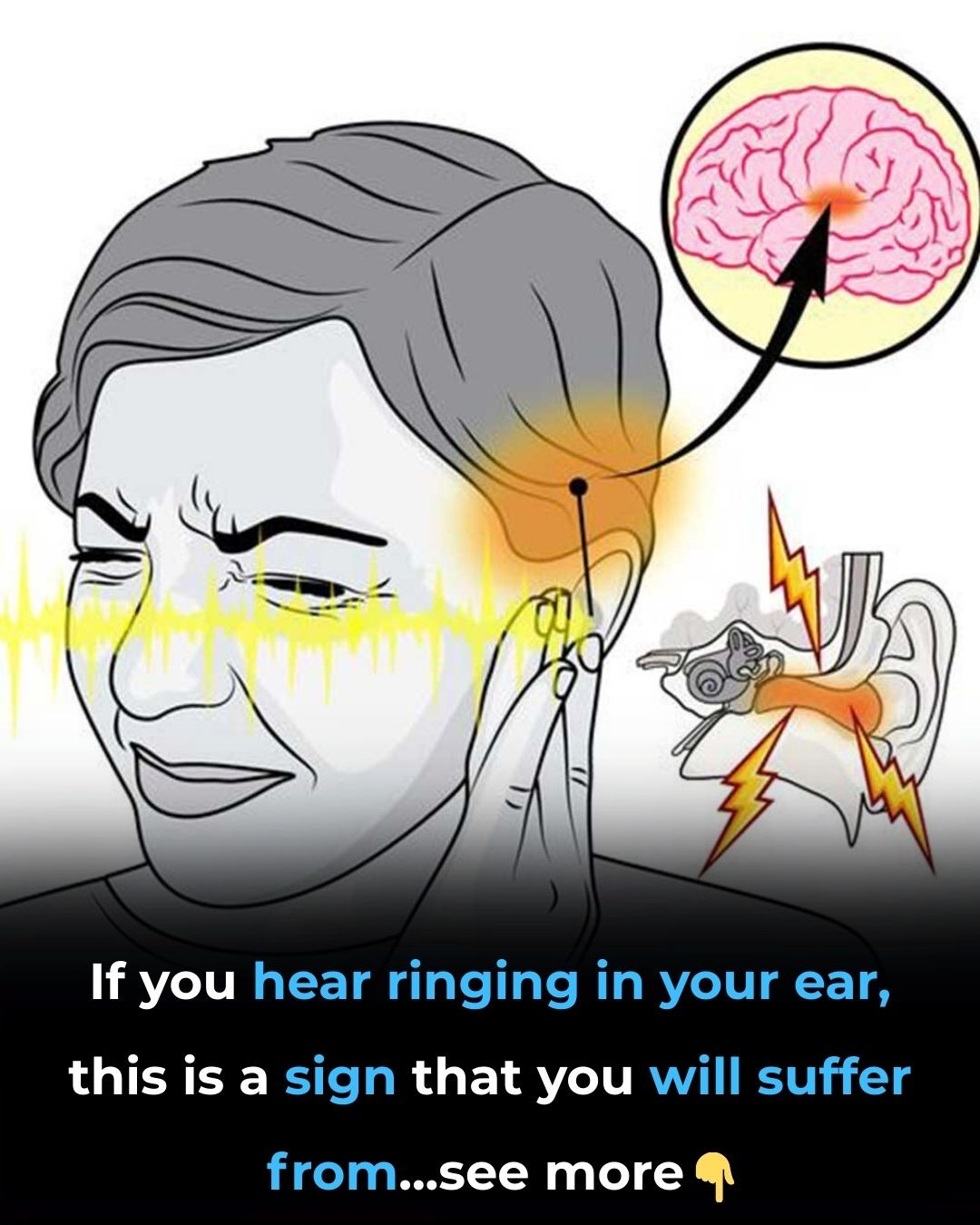
Have you ever noticed a faint hum, buzz, or ringing in your ear?
Understanding Tinnitus: The Science of Hearing Phantom Sounds
Have you ever experienced a faint hum, buzz, or ringing in your ear—especially when your surroundings are silent? If so, you’re not imagining things. Millions of people worldwide have encountered this phenomenon, known as tinnitus. Far from being unusual, tinnitus is surprisingly common, affecting about 15–20% of the population, according to multiple health organizations.
Tinnitus is not a disease in itself; rather, it is a symptom that something may be affecting your auditory system. The experience varies; some people hear ringing, others buzzing, hissing, clicking, or even whooshing sounds. These noises can be intermittent or constant and may be perceived in one or both ears or even inside the head. Importantly, there is no external source creating these sounds.
Whether mild or disturbing, tinnitus raises questions and concerns for those affected. Gaining an understanding of what it is, its causes, and management strategies is the first step toward peace of mind and better auditory health.
What Causes Tinnitus?
The origins of tinnitus are varied and complex. According to the Mayo Clinic and the American Academy of Otolaryngology, tinnitus most often arises from underlying issues within the auditory system, which includes the ear, auditory nerve, and parts of the brain responsible for processing sound. Common factors include:
- Hearing Loss: The most frequent cause, especially age-related hearing loss (presbycusis). As people age, the delicate hair cells in the inner ear may deteriorate, affecting how the brain interprets sound.
- Exposure to Loud Noise: Prolonged or brief exposure to loud sounds, such as music concerts, construction work, or explosions, can cause short- or long-lasting tinnitus.
- Ear Infections or Blockage: Earwax buildup, infections, or even eustachian tube dysfunction may contribute.
- Medication Side Effects: Certain drugs, especially high doses of aspirin, antibiotics, cancer medications, or diuretics, can trigger tinnitus as a side effect.
- Physical Injury: Trauma to the head or neck, or temporomandibular joint (TMJ) disorders, can affect nerves and hearing structures.
- Health Conditions: Conditions like Meniere’s disease, high blood pressure, diabetes, thyroid disorders, and cardiovascular issues have been linked as contributing factors.
- Stress and Mental Health: Emotional distress and anxiety may amplify awareness of tinnitus or worsen existing symptoms.
What Does Tinnitus Feel Like?
The perception of sound when no external source exists defines tinnitus. Symptoms differ greatly between individuals:
- A ringing, buzzing, or humming sound
- Occasional clicking, hissing, or roaring
- Sensitivity to everyday noises
- Fluctuating intensity, sometimes linked to stress or changes in environment
For some, symptoms are barely noticeable, while for others, they interfere with sleep, concentration, and emotional wellbeing. Chronic or severe tinnitus can prompt feelings of distress, frustration, or even depression.
Diagnosis: When Should You Seek Medical Advice?
Tinnitus is not always indicative of a serious health concern, but it can sometimes signal underlying issues that require medical attention. Experts recommend seeing an audiologist or ENT specialist if:
- Tinnitus is persistent and not resolving on its own
- It is accompanied by hearing loss or dizziness
- You experience sudden onset or severe symptoms
- There is pain, drainage, or pressure in the ear
Through a combination of physical examination, hearing tests, and sometimes imaging studies, specialists can assess the likely cause and determine possible treatments.
Management and Treatment Options
Currently, no universal cure exists for tinnitus; however, several strategies may help manage symptoms and improve quality of life. Treatment approaches depend on underlying causes and individual needs. Common options include:
- Sound Therapy: Using background noise, such as white noise machines or apps, can mask tinnitus and provide relief, especially during sleep.
- Cognitive Behavioral Therapy (CBT): Psychologists and therapists employ CBT to help individuals adapt their responses to tinnitus, decreasing distress and improving coping strategies.
- Medical Intervention: Addressing medical or dental causes (e.g., removing earwax, treating infections, or adjusting medications) may cure or lessen tinnitus.
- Hearing Aids: For those with hearing loss, hearing aids can amplify external sounds and reduce the contrast between background silence and tinnitus.
- Lifestyle Adjustments: Reducing exposure to loud noises, managing stress, and getting regular exercise may have positive effects.
- Alternative Approaches: Some people report relief from acupuncture, mindfulness practices, or dietary changes—but scientific evidence varies and more research is needed in these areas.
The World Health Organization highlights the importance of early intervention. Managing underlying hearing loss and risk factors can often prevent or minimize tinnitus.
International Research and Expert Perspectives
Tinnitus is a global healthcare concern, prompting studies and innovation across continents. The CDC, WHO, Mayo Clinic, and dozens of universities are researching causes, prevention, and new treatments. New methods explored in clinical trials include neuromodulation (altering brain activity with electrical impulses), pharmacological research, and digital apps for therapy.
Experts emphasize a multidisciplinary approach. Leading audiologists note that education, reassurance, and personalized therapeutic strategies make the greatest impact on patient quality of life.
Research is ongoing: for example, the National Institutes of Health (NIH) funds tinnitus studies globally, seeking to understand underlying mechanisms and improve care.
Tinnitus and Societal Impact
The widespread nature of tinnitus means its impact is felt personally, socially, and economically. Many affected individuals struggle with sleep, concentration, and productivity. Awareness campaigns by international organizations encourage protective behaviors: wearing hearing protection in loud environments, regular hearing checkups, and seeking mental health support when needed.
In workplaces, tinnitus contributes to absenteeism or reduced performance, especially in environments with high noise exposure. Societal reactions have promoted public health policies to protect hearing and inform the public about early warning signs.
People who live with chronic tinnitus often find support in advocacy groups, online forums, and professional networks. Sharing experiences and knowledge can reduce stigma and encourage proactive health management.
Moving Forward: Prevention and Awareness
Preventing tinnitus starts with everyday precautions. The CDC and WHO recommend the following steps:
- Limit exposure to loud noise, especially prolonged or sudden extremely loud sounds
- Use hearing protection equipment as needed
- Maintain ear hygiene but avoid excessive cleaning
- Monitor medications and discuss any hearing concerns with your healthcare provider
- Manage stress and include healthy habits in daily life
Ongoing public health initiatives aim to educate both young and aging populations about the risks of hearing loss and the consequences of ignoring symptoms like tinnitus.
Living With Tinnitus: Practical Tips and Hope
If you notice ringing, buzzing, or other unexplained noises, remember: you are not alone, and effective help is available. While tinnitus can be unsettling, many individuals successfully learn to manage symptoms and reduce their impact. Focus on:
- Seeking specialized medical advice early
- Using sound therapy and relaxation techniques
- Connecting with others through support groups
- Adopting healthy lifestyle choices
Advances in science continue to enhance understanding and expand treatment options. Growing awareness and better resources offer hope for those affected—and promise future solutions.
Author and Media

Sources
Disclaimer: This content is intended for entertainment purposes only and is not based on real events.