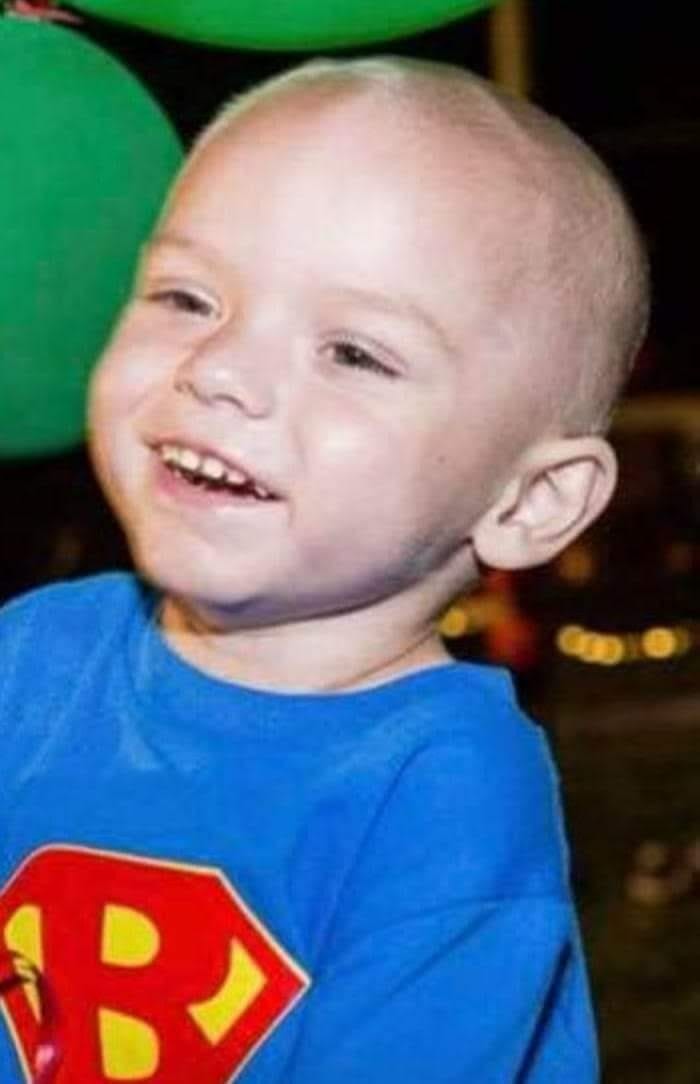
A Journey of Strength: A Family’s Experience With Cleft Lip and Palate
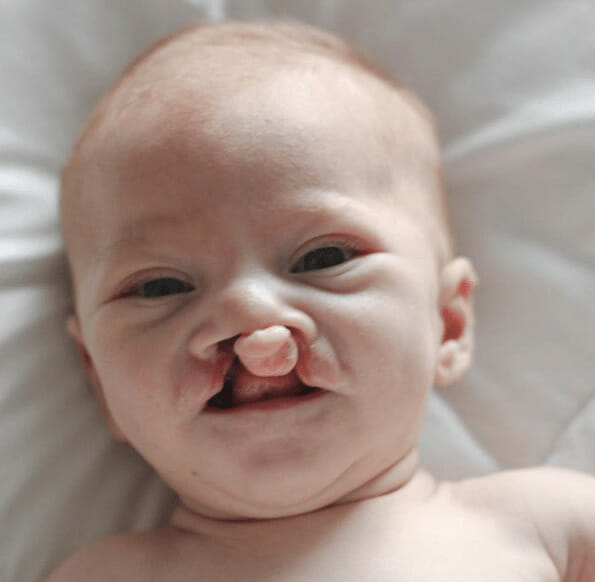
Few life milestones come with as much anticipation and mixed emotion as expecting a baby. For millions of families, the journey to parenthood is one of joyful expectation and planning. Yet with this joy, expectant parents can also feel anxiety and concern, especially about the health of their unborn child. Among the difficult questions parents are sometimes asked to consider is how best to care for a child who faces certain medical challenges from birth.
The Unexpected Diagnosis
For Sara Heller and her partner Chris, their journey to parenthood took an unexpected turn when, during a routine 24-week ultrasound, their healthcare provider detected a complication: their unborn son, Brody, was diagnosed with a bilateral cleft lip and palate. This revelation opened a new chapter for the couple, who, like many families, had to quickly come to terms with uncertainty while navigating medical information and important decisions about their baby’s future.

When faced with Brody’s diagnosis, Sara and Chris were presented with options, including continuing the pregnancy, considering adoption, or in extreme cases, abortion. The couple did not hesitate in their decision to continue the pregnancy and support their child, demonstrating resilience and unconditional love. Their story began to shine a light on what it means to embrace differences and advocate for children with special medical needs.
Understanding Cleft Lip and Palate: What Are the Facts?
Cleft lip and cleft palate are among the most common congenital birth conditions in the world. These occur when tissue that forms the lip or mouth does not completely fuse during pregnancy, resulting in gaps in the upper lip, the roof of the mouth, or both. The Centers for Disease Control and Prevention (CDC) estimates that each year in the United States, around 2,650 babies are born with a cleft palate and 4,440 with a cleft lip with or without a cleft palate.
The causes of these developmental conditions are not completely understood. Experts believe a combination of genetic and environmental factors, such as maternal nutrition, medication use during pregnancy, exposure to hazardous substances, or a family history of clefts, can contribute. Importantly, clefts can occur on one or both sides of the mouth and vary in severity.
Medical and Social Challenges
Cleft lip and palate can present significant challenges for infants. These include difficulties with feeding, speech and language development, hearing, dental growth, and even breathing. Most children born with these conditions require a coordinated medical approach involving surgeons, pediatricians, nutritionists, speech therapists, and social workers.
Typically, surgical intervention to correct a cleft lip is performed within the first several months of life, while palatal repairs may occur within the first 18 months. Even with surgical repair, children may require ongoing procedures as they grow older, as well as speech-language therapy and dental care. The emotional and financial impact on families can be substantial, requiring strong support systems and access to high-quality care.
Parental Advocacy and Social Awareness
Upon hearing Brody’s diagnosis, Sara and Chris chose not only to support their child but also to become advocates for awareness of congenital facial differences. Sara recalled how even before Brody was born, she made the decision to use her experience as an opportunity to educate others and challenge social perceptions. She began sharing Brody’s journey with the world through social media, determined to normalize the appearance of children born with cleft lip and palate.
“It is OK to be proud of your baby no matter the circumstances,” Sara explained in a statement to HeartEternal. She emphasized that her aim was to change the narrative around newborn and family photographs, showing the reality and beauty of children who look different from the norm. By sharing images and stories of Brody, Sara hoped to dispel stigma and promote empathy toward those born with facial differences.
Facing Questions—and Teaching Moments
The reality of living with visible differences means facing curiosity and, at times, intrusive questions. Sara received messages online inquiring about Brody’s appearance, such as “What’s wrong with his face?” Rather than react defensively, Sara used these moments to educate her online community about cleft lip and palate, explaining both the medical facts and the importance of compassionate understanding.
“I decided to educate rather than create a confrontation because that is what I want Brody to do in the future… to be an advocate for younger cleft kids who don’t have their own voice yet,” Sara recounted. In doing so, she set a positive example for other parents and for her son, emphasizing the value of advocacy and empowerment even in the face of adversity.

Community Support and Small Acts of Kindness
Despite the challenges, Sara and Chris’s experience also offers a testament to the kindness and solidarity that can emerge within society. One touching example came when a stranger in a restaurant, moved by Brody’s story, offered the family a folded piece of paper containing a $1,000 check—simply signed, “for the beautiful baby.” The generosity of this stranger helped the family cover significant medical costs associated with Brody’s treatment, including major reconstructive surgery.
Community outreach did not stop there. Sara shared that they have received messages of support and offers of assistance from people around the country, including other families raising children with cleft lip and palate. This solidarity reinforced the sense of belonging within a larger “cleft community,” united in the mission to ensure that no child or parent faces these challenges alone.
Medical Advances and the Road Ahead
Thanks to advances in pediatric medicine, cleft lip and palate can often be successfully treated through coordinated surgical care. Brody underwent his first major surgery during infancy, and—like many in the cleft community—will require additional procedures as he grows. However, the outlook for children like Brody is much brighter today than in decades past.
Reconstructive surgery, dental and orthodontic treatment, and speech-language interventions together help children achieve healthy, functional, and confident lives. The process may be long, with multiple surgeries and therapies, but with proper medical care and a nurturing environment, most children with cleft conditions go on to thrive.
According to the World Health Organization and the Mayo Clinic, early surgical correction and ongoing multidisciplinary care are critical for the best functional and cosmetic outcomes. Regular follow-up with a cleft team helps address both immediate health needs and the psychosocial well-being of affected children and their families.
The Importance of Awareness and De-stigmatization
Raising awareness about cleft lip and palate is crucial for improving both medical outcomes and social acceptance. Misinformation and prejudice toward facial differences can create barriers for children and families, affecting everything from self-esteem to educational opportunities. Advocacy organizations, such as Smile Train and Operation Smile, work worldwide to both provide cleft care and educate communities about the realities of these conditions.
By sharing their journey publicly, parents like Sara and Chris are actively challenging stereotypes and helping to create a more inclusive world. Their efforts, alongside those of clinicians, educators, and advocates, reflect an ongoing commitment to ensuring that all children receive not only medical care but also compassion, understanding, and acceptance.
International Perspectives and Ongoing Research
Cleft lip and palate affect families around the globe. Access to timely medical care varies significantly depending on where a child is born, and in many low-resource settings, surgeries and follow-up treatments may be limited. International health organizations and non-profits work to bring life-changing surgeries to underserved communities, but there remains a pressing need for public health investment and education globally.
Ongoing research seeks to better understand the genetic and environmental causes of cleft conditions. Collaborative efforts between researchers, geneticists, and clinicians aim to both prevent and optimize the care for children with craniofacial differences. This scientific work is supported by organizations like the World Health Organization and leading children’s hospitals worldwide.
Conclusion: Hope, Resilience, and Advocacy
The story of Sara, Chris, and Brody is ultimately one of hope, courage, and advocacy. Their willingness to share their experience has contributed to a growing movement dedicated to acceptance, early intervention, and education. Through community support, medical expertise, and the determination of families like theirs, countless children born with cleft lip and palate have a brighter future.
As society becomes more aware of and responsive to the needs of children with visible differences, there is growing recognition that every child deserves respect and opportunity—regardless of appearance. Continued advocacy and advances in medical science promise ongoing improvements in treatment, recovery, and social inclusion for children like Brody across the world.
Sources
Disclaimer: This content is intended for entertainment purposes only and is not based on real events.