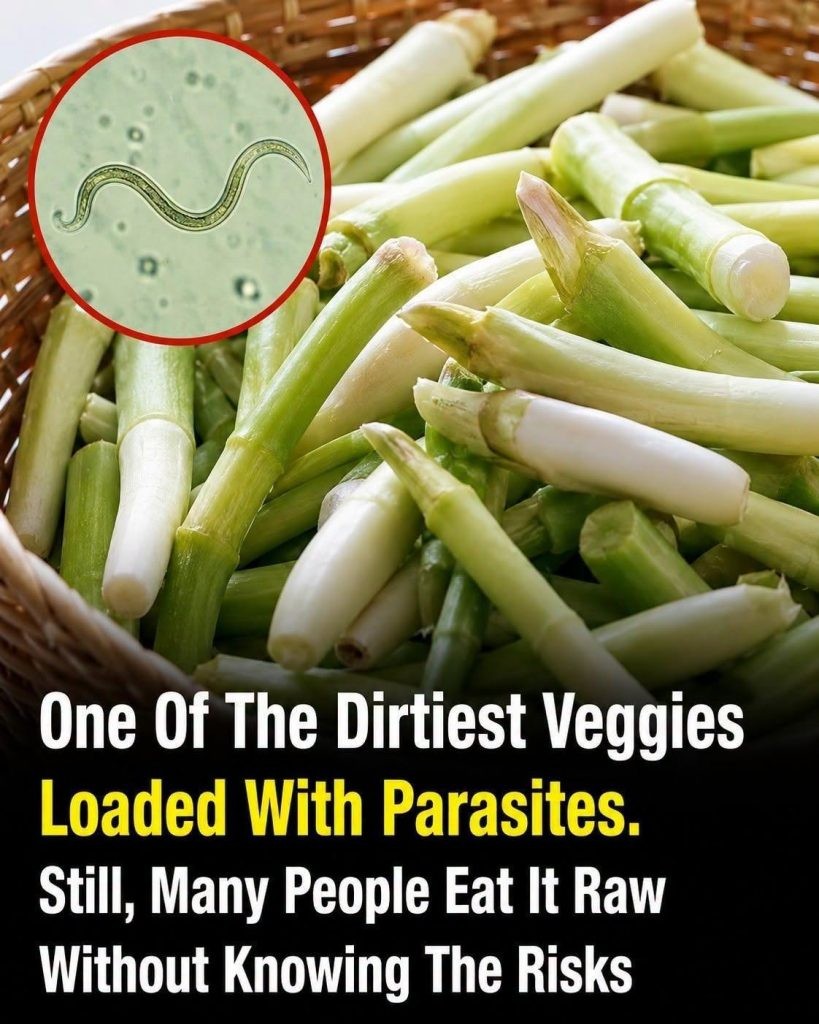
Green Onions: Understanding Risks and Safe Handling for Healthier Meals
The Popularity and Nutritional Benefits of Green Onions
Green onions, commonly known as scallions, are a staple in kitchens worldwide. Prized for their mild flavor and versatility, green onions add freshness to salads, soups, stir-fries, and garnishes. Beyond their taste, they are also packed with essential nutrients. According to the Mayo Clinic, green onions provide significant amounts of vitamin K, vitamin C, folate, and dietary fiber. These nutrients contribute to bone health, immune function, cell growth, and digestive health. For health-conscious consumers, green onions offer an opportunity to enhance both the flavor and nutritional value of meals.
Sources of Contamination: From Farm to Kitchen
Despite their benefits, green onions can carry hidden risks. Their journey from farm to table exposes them to a range of contaminants. Because green onions grow in soil, they may be exposed to polluted irrigation water, animal waste runoff, or improperly cleaned farm equipment. Experts from the Centers for Disease Control and Prevention (CDC) note that risky exposures can occur at any stage of production, packing, transportation, or retail display.
The layered and tubular structure of green onions allows moisture and microbes to become trapped inside. Dirt, bacteria, or parasites can cling to the stalks, especially near the roots and base. The typical rinsing process may not remove contaminants thoroughly, which is one reason outbreaks of foodborne illness linked to green onions (and other fresh produce) occasionally make headlines worldwide.
Foodborne Illness: Risks Associated with Raw Consumption
Unlike foods that are commonly cooked before consumption—such as meat, poultry, or eggs—green onions are often eaten raw. As highlighted by the World Health Organization (WHO), raw consumption increases the risk of ingesting harmful bacteria. Pathogens such as Salmonella and E. coli can cause foodborne illnesses characterized by symptoms like nausea, abdominal cramps, diarrhea, and fever. In rare cases, these illnesses can become severe and require hospitalization.
This risk is not hypothetical. Several documented outbreaks have traced their origins to contaminated green onions. For example, a significant Reuters investigation reported outbreaks where improper handling during harvesting and packing led to bacteria persisting on the produce. Imported green onions have also been implicated in international outbreaks, underscoring the importance of global food safety standards.
Who Is Most Vulnerable to Foodborne Illness?
Foodborne illnesses affect people differently. While healthy adults may experience only mild symptoms, certain populations face greater risks. These include:
- Children, whose immune systems are still developing
- Older adults, who may have weakened immunity
- Pregnant women, due to changes in immune function
- Individuals with chronic illnesses or compromised immune systems
The CDC and WHO recommend special caution when preparing foods for these groups. Even a small number of bacteria can cause serious illness in vulnerable populations.
Safe Handling: Steps for Reducing Risk at Home
While the risks may seem daunting, experts agree that avoidance of green onions is unnecessary. Instead, focusing on safe handling, thorough cleaning, and proper storage can significantly reduce the likelihood of infection. Here are evidence-based steps you can take:
- Inspect and Trim: Remove any damaged or wilted outer layers. Cut off the root ends, where dirt and bacteria are most likely to accumulate.
- Wash Thoroughly: Fill a bowl with cold water and gently rub each stalk to loosen dirt. Pay special attention to the base where most debris collects. Repeat rinsing as needed.
- Dry: Use clean paper towels or a salad spinner to dry green onions after washing. This helps remove any lingering water droplets where bacteria can thrive.
- Prevent Cross-Contamination: Never use the same cutting board or utensils for both raw meat and vegetables without washing them with hot soapy water first. This prevents transfer of bacteria from animal-derived foods.
- Hand Hygiene: Wash your hands thoroughly with soap and water before and after handling green onions, especially if you are preparing food for someone at higher risk.
- Refrigerate: Store green onions in the refrigerator in a moisture-proof bag or container. Cold temperatures slow bacterial growth and preserve freshness.
- Remove Spoiled Produce: If green onions become slimy, discolored, or emit an unusual odor, discard them immediately. Spoilage indicates possible bacterial activity and reduced quality.
Expert Advice: Food Safety Agencies and Best Practices
Scientific advice from agencies such as the CDC and WHO emphasizes that properly washing and storing fresh produce is essential to preventing foodborne illness. The BBC also reports that food safety campaigns in many countries have improved awareness about proper cleaning and safe kitchen habits.
These organizations recommend separating fresh produce from raw meats in the shopping cart, refrigerator, and during meal prep. Using color-coded cutting boards is another proven method to prevent accidental cross-contamination in household kitchens.
For commercial operations, guidelines include regular water testing, sanitation checks, and traceability systems to quickly identify sources of contamination.
International and Societal Measures to Improve Food Safety
The issue of produce safety is of global concern. The WHO works closely with national governments and the Food and Agriculture Organization (FAO) to set standards for irrigation water quality and regulate pesticide and fertilizer use. Countries with strong food safety laws, such as those in the European Union, have seen a decline in produce-related outbreaks due to rigorous testing and enforcement.
Consumer advocacy groups in North America, Europe, and Asia regularly promote education campaigns. These initiatives seek to inform the public about safe practices, including proper washing methods and fridge storage guidelines. The increased visibility of these campaigns is credited with boosting confidence in fresh produce safety and reducing preventable illness.
Responsible Consumption: Balancing Nutrition and Safety
Green onions deserve a place in a healthy diet. They offer valuable nutrients and low-calorie flavoring for a range of dishes. By adopting smart kitchen habits—such as thorough washing, dedicated cutting boards, and vigilant refrigeration—you can greatly reduce risk while enjoying their benefits.
Unlike highly processed foods, green onions carry an element of freshness and natural nutrition. The key is responsible handling. Even though green onions have occasionally been linked to outbreaks, proper preparation and storage effectively decrease the threat of contamination. Health experts encourage continued consumption with a focus on safety for everyone, especially those in high-risk groups.
Conclusion
Green onions are a valuable addition to any diet, offering both flavor and important nutrients. Their growth in soil and frequent consumption raw mean that consumers must be vigilant about food safety. By understanding potential risks and following expert-backed cleaning and storage recommendations, you can safely enjoy green onions while safeguarding your health and that of your family. Awareness, education, and adherence to best practices are the foundation for healthy, risk-free meals.
Sources
- Reuters
- BBC
- World Health Organization (WHO)
- Centers for Disease Control and Prevention (CDC)
- Mayo Clinic
Disclaimer: This content is intended for entertainment purposes only and is not based on real events.