I Never Expected to Discover Something So Fascinating at a Hotel
Introduction: An Unusual Encounter With Nature
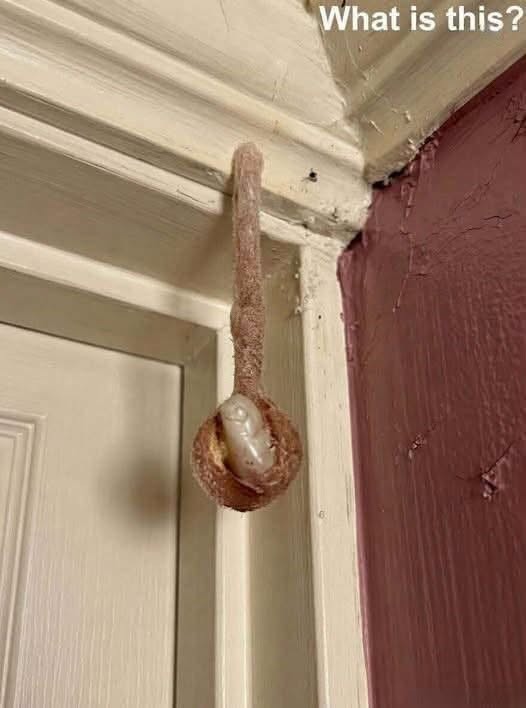
In the midst of the bustling everyday routines of travel, discovering an aspect of nature can be an unexpected yet rewarding experience. On a recent visit to a hotel, I encountered something rarely noticed—a mud dauber nest quietly constructed in a corner. The first impression was that it was nothing more than a lump of dried mud. But a closer look unveiled a remarkable story of engineering and biology. This chance observation sparked curiosity about the builder and purpose behind such intricacy.
What Are Mud Daubers?
Mud daubers are a group of solitary wasps recognized for their distinctive nest-building behavior. These insects belong to the family Sphecidae and can be found worldwide, including across North America, Europe, Asia, and other regions. Unlike social wasps, mud daubers do not form colonies. Instead, individual females construct their own nests and provide food for their offspring—a practice that sets them apart from many other stinging insects. Their nests, typically made of mud and shaped into tubes or cells, are designed to shelter their eggs and provide security during development.
The Architecture of Mud Dauber Nests
The nests of mud daubers are a testament to the insect’s architectural talents. Each nest is built by gathering mouthfuls of mud and precisely placing them in layers to create a protective structure. The entire process involves selecting ideal sites, transporting mud, and shaping the chambers to suit the needs of their offspring. These nests may look like random patches of mud to the untrained eye, but closer inspection reveals an organized pattern, sometimes resembling pipe-like clusters or small urns. Not only are these structures efficient, but they also display remarkable adaptability to a range of environments—urban, suburban, and rural.
Mud daubers typically construct their nests in sheltered spots protected from rain and wind. Common locations include the sides of buildings, under eaves, and as in my experience, within the quiet corners of modern hotels. Their ability to coexist with human infrastructure demonstrates their ecological versatility and tolerance for urban landscapes.
Why Are Mud Daubers Beneficial?
While many people may have an instinctive fear of wasps, mud daubers are largely non-aggressive toward humans. They rarely sting unless directly threatened and their primary role in the environment is highly beneficial. Mud daubers serve as natural pest controllers, feeding on spiders and other insects.
Before laying eggs, a female mud dauber will capture and paralyze prey—usually spiders or insect larvae. She places these incapacitated creatures inside the nest chambers as food for her developing offspring. This predation helps reduce populations of spiders and other small arthropods, serving as an effective form of biological control. In both urban and rural settings, the presence of mud daubers can contribute to the natural regulation of pests, indirectly supporting human comfort and wellbeing.
Learning From Unexpected Encounters
Discovering a mud dauber nest in a hotel is a reminder that nature is present everywhere, not just in wild habitats but also in places shaped for human convenience. Such experiences spark curiosity and reinforce the importance of observation—an essential skill for understanding the world. Instead of ignoring the nest or reacting with alarm, taking a moment to appreciate it can foster a sense of wonder and learning.
Observing these nests can provide insights into the life cycles, habits, and ecological roles of mud daubers. Documenting such encounters through photographs or notes turns a simple discovery into a memorable lesson. These moments enrich travel experiences by highlighting connections between human environments and the natural world.
Safety Tips and Responsible Interaction
When you find a mud dauber nest, safety and respect are important. While mud daubers are docile and rarely sting, the best approach is to observe them from a safe distance without disturbing their habitat. If the nest is situated in a location that presents safety concerns—such as near entrances or common areas—inform hotel staff rather than attempting to remove it yourself. Professional pest management can evaluate the situation and use methods that preserve both human safety and environmental responsibility.
For those curious about these insects, gentle observation from afar is encouraged. Mud daubers contribute positively to ecosystems and pose minimal risk to people. There is valuable educational potential in observing their behavior and nest construction, particularly for families, students, or anyone interested in natural history.
The Ecological Role of Mud Daubers
Mud daubers are more than just solitary architects; they are integral parts of their ecosystems. Their interactions with prey species, their nesting strategies, and their adaptability reflect broader patterns in ecology. Studies show that mud daubers help balance populations of spiders and other insects, which in turn affects local biodiversity and pest dynamics. They may also serve as food for birds and other predators, linking them to complex ecological webs.
In urban areas, mud daubers demonstrate how wildlife can persist and thrive alongside human development. Their resilience and ability to adjust to new environments are valuable traits for any species facing changing landscapes. Scientists and entomologists study mud daubers to better understand urban ecology and the interplay between wildlife and city life.
Global Views and Scientific Research
Across the world, mud daubers hold varying reputations. In many cultures, they are seen as harmless residents, respected for their gentle nature and contributions to pest control. Researchers have published numerous studies on mud dauber nesting behavior, ecological impact, and their potential as biological control agents. The scientific community emphasizes their role in maintaining healthy balance within local environments.
Mud daubers are not only subjects of scientific study; they are featured in educational initiatives and naturalist programs. Organizations such as the Smithsonian, the CDC, and entomological societies provide resources for understanding and identifying mud daubers, helping the public distinguish them from more aggressive wasp species.
Societal Reactions and Education
In hotels, schools, and other communal spaces, responses to mud dauber nests range from curiosity to concern. Some places adopt policies for humane relocation, ensuring both human safety and preservation of beneficial wildlife. Educational programs encourage respect for mud daubers, teach their significance, and dispel myths about their behavior.
Many travel and hospitality venues now include environmental stewardship as part of their mission. This extends to recognizing the presence of creatures like mud daubers and integrating sustainable pest management practices. Through awareness and education, communities can harmonize human needs with wildlife conservation, ensuring that encounters with mud daubers are celebrated rather than feared.
Conclusion: A Moment of Wonder and Connection
Finding a mud dauber nest in a hotel brought a sense of wonder and deepened appreciation for the complexity of nature. It reminded me that environmental awareness is not limited to faraway forests or natural reserves. Simple discoveries—even in urban or artificial settings—can unlock curiosity and care for the natural world. Mud daubers exemplify the resilience, ingenuity, and interconnectedness of life, offering lessons and inspiration to travelers, educators, and nature enthusiasts alike.
Such moments encourage us to look closer, ask questions, and embrace the beauty that surrounds us every day. Have you ever discovered a mud dauber nest? Reflect on the experience and share your story. Small encounters with nature often become the most cherished memories, enriching our journeys and broadening our views.
Sources
- BBC Science & Environment
- Reuters Environment
- Smithsonian Magazine – The Mud Dauber Wasp
- Centers for Disease Control and Prevention (CDC)
- Mayo Clinic – Insect Stings: Prevention and First Aid
- National Geographic – Mud Daubers
- Al Jazeera Environment
- The Guardian Environment
Disclaimer: This content is intended for entertainment purposes only and is not based on real events.