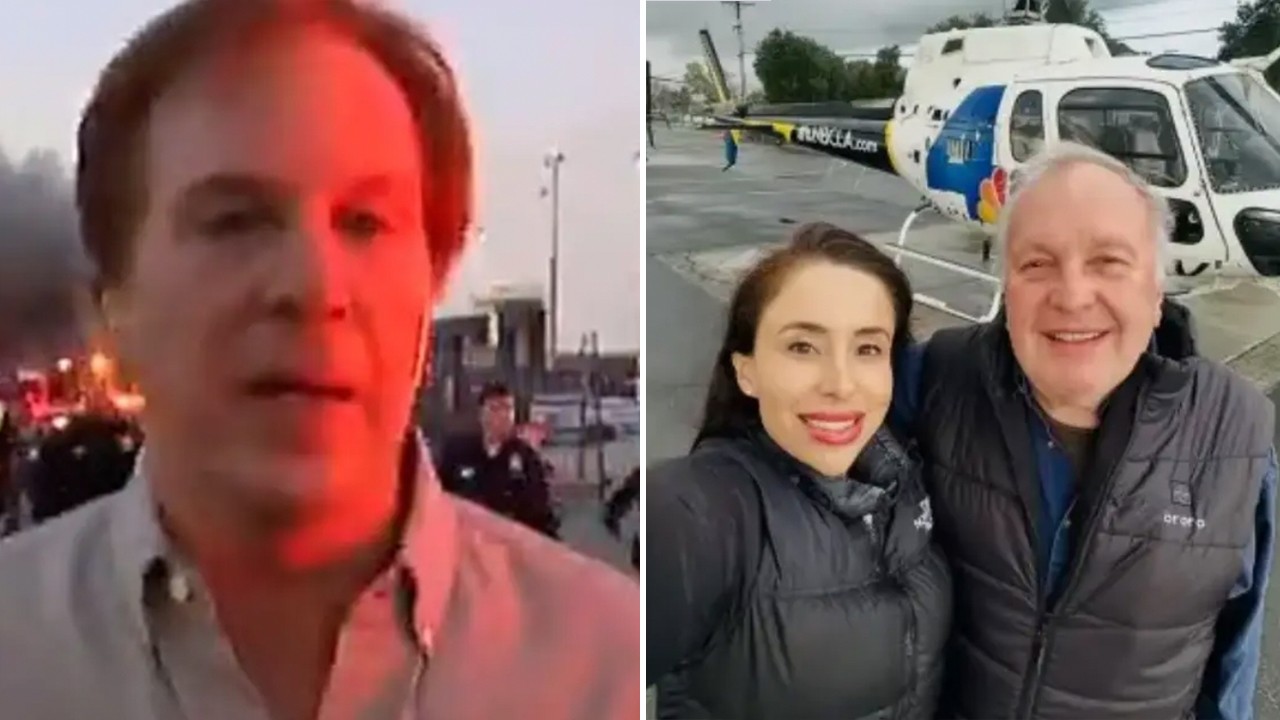
A TV Reporter Was Live On Air When an NBC News Helicopter Crashed, Killing Two Colleagues
Incident Overview: Tragedy on Air
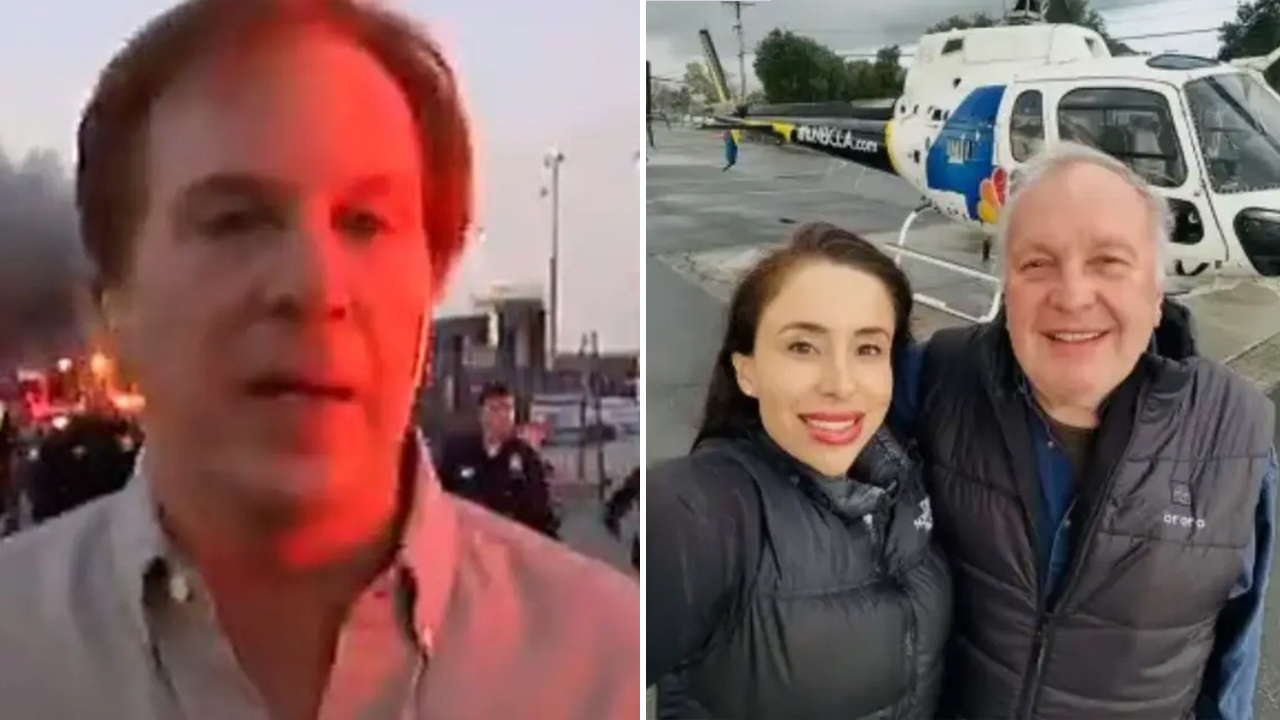
On Tuesday, September 15, a tragic event unfolded live on television in Los Angeles’ Chatsworth neighborhood. NBC 4 journalist Robert Kovacik was covering a commuter bus crash when an NBC news helicopter, also reporting on the scene, plummeted from the sky and burst into flames. The accident killed Eliana Moreno, an NBC 4 photojournalist, pilot George Marciniw, and an unnamed pedestrian on the ground.
At the time of the incident, Kovacik was unaware that the victims included his colleagues. Firefighters evacuated the area as smoke billowed from the wreckage. He remarked during his live coverage, “We don’t know where the chopper is from, we don’t know if it even is a chopper, if it’s a news chopper, we are just looking right now,” highlighting the confusion and urgency of the situation.
Timeline of the Crash
The crash occurred around 7 pm local time while multiple news crews were reporting on the previous bus crash. Within moments, the chaos disrupted coverage as emergency responders rushed to secure the area. NBC Los Angeles anchor Colleen Williams shared updates live from the studio, stating that the network had “lost contact” with their helicopter and confirmed that the downed aircraft was News Chopper Four. Her tone conveyed both professional composure and deep concern for her colleagues.
Williams shared, “We’ve been telling you that we’ve been piecing it together here. We knew it was a news chopper and we knew we’d lost contact with our people out there, and we’ve just received the confirmation that in fact news chopper four went down just before seven o’clock tonight in Chatsworth.”
Immediate Aftermath and Response
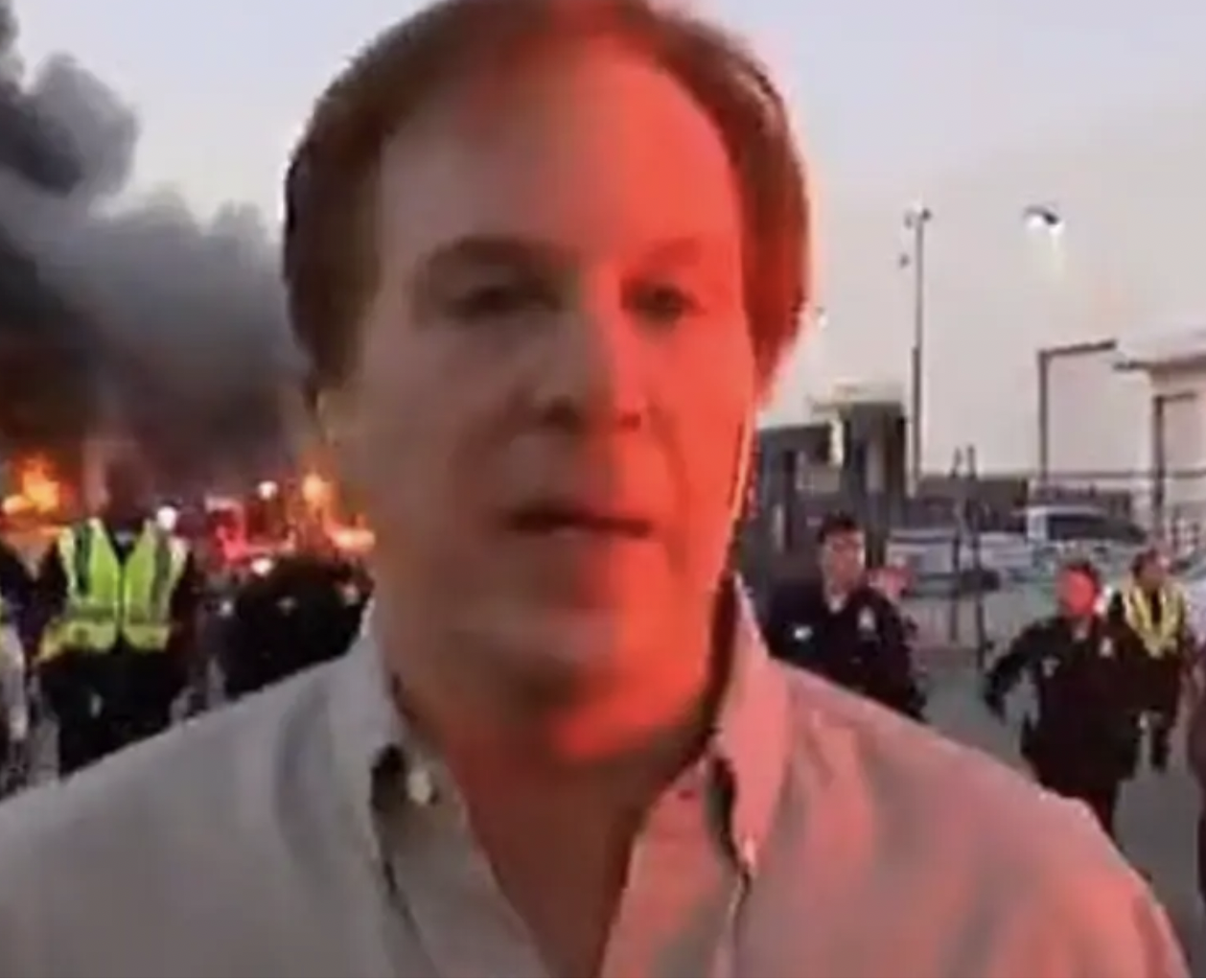
In the wake of the crash, Los Angeles Fire Battalion Chief Rico A. Gross announced that three people had died at the scene. Fire Captain Branden Silverman confirmed that one of the deceased was a pedestrian who happened to be near the crash site. Two others were transported to the hospital, although their conditions were not immediately disclosed. The first responders worked quickly to secure the area, provide assistance, and notify the victims’ families.
Kovacik, confronted with the realization that his team was involved, pleaded with police, “Dude, that’s my crew in there, that is my own crew,” highlighting the personal impact and emotional strain journalists experience during such crises. Authorities managed the situation carefully, focusing on safety and support for all involved.
Context: The Role and Risks of News Helicopters
News helicopters play an essential role in modern journalism, providing live coverage from locations difficult to reach by ground and offering perspectives not available through traditional reporting. Particularly in large metropolitan areas like Los Angeles, they enable rapid coverage of breaking news, traffic, and public emergencies. However, these aircraft operate in complex urban environments, where safety protocols are paramount and risks significant.
According to the National Transportation Safety Board (NTSB) and Federal Aviation Administration (FAA), news helicopters are required to comply with strict maintenance standards and pilot certifications. Despite these regulations, accidents have occurred over the years, often due to weather, mechanical failure, or operational error. The Los Angeles airspace, dense with aircraft and unpredictable weather patterns, presents frequent challenges for pilots and crews.
Expert Perspectives and Industry Impact
Industry experts emphasize the dangers faced by aerial news crews. Helicopter pilots undergo rigorous training, but unpredictable factors—such as sudden wind shifts, power failures, or unexpected obstacles—can quickly lead to disaster. “Reporting from the air is both rewarding and challenging, but our crews are always aware of the risks,” notes aviation safety consultant Mark Rosenberg.
Following such incidents, news organizations often review their safety protocols and provide additional training or support for their staff. Colleagues across the journalism community expressed condolences and solidarity, acknowledging the unique burden carried by those who report from hazardous locations.
Professional groups, such as the Radio Television Digital News Association (RTDNA), underscore the importance of mental health support for field reporters and encourage newsrooms to update safety procedures regularly. The emotional toll of losing colleagues in such circumstances reinforces the need for comprehensive risk management and support systems within media organizations.
International and Societal Reactions
The crash drew reactions from local officials, the wider journalism community, and members of the public. Mayor Karen Bass of Los Angeles acknowledged the incident, stating, “We mourn the loss of brave journalists and the innocent bystander. Our city stands in support of their families and colleagues.” Internationally, news organizations sent messages of sympathy and reiterated their commitment to journalist safety.
On social media, viewers and fellow journalists posted messages honoring Eliana Moreno and George Marciniw, recounting their dedication and professionalism. The tragic death of a pedestrian highlighted the public safety aspect, prompting renewed discussion on the risks associated with aerial news coverage in populated areas.
Media Coverage and Continuing Investigation
The incident quickly became the subject of national and international media coverage. Outlets like Reuters, BBC, and The Guardian provided updates as the investigation proceeded. The NTSB launched an inquiry to determine the cause of the crash, focusing on mechanical factors, pilot actions, and environmental conditions at the time. Preliminary findings would guide future safety recommendations for the broadcast and aviation industries.
Los Angeles authorities encouraged anyone with information or footage related to the crash to come forward, aiming to reconstruct the event and provide answers to families and colleagues. The role of air traffic control, potential technical malfunctions, and flight logs would be examined thoroughly.
Long-Term Effects and Community Support
Incidents like this helicopter crash not only impact the immediate victims but leave a lasting impression on the journalistic community. Newsrooms typically organize memorials and offer counseling to staff, while advocating for improved safety standards. The loss reminds the public of the risks journalists accept to deliver timely and accurate information. Discussions on public and journalist safety may lead to new policy proposals and increased funding for emergency response and training.
Citizen awareness of these risks fosters respect for news professionals and underscores the importance of responsible reporting. Media organizations often highlight safety lessons learned from such tragedies, contributing to wider industry reforms.
Additional Reports and Context
Journalistic accounts have detailed the moments leading up to the crash, including harrowing final words from the NBC team and the shock experienced by colleagues as the event unfolded live. Such coverage emphasizes the unpredictable nature of broadcast news and the vulnerability of reporters in high-risk environments.
Read more:
Conclusion: Honoring Journalism and Safety Initiatives
The NBC news helicopter crash in Los Angeles stands as a somber reminder of the hazards that journalists face daily, especially those covering breaking news from the air. The loss of Eliana Moreno, George Marciniw, and a civilian highlights the intersection of public safety and broadcast journalism. As investigations continue, the media industry, regulators, and the wider public must work together to enhance safety protocols for aerial reporting.
Offering condolences and support, both organizational and individual, is essential in the aftermath of such tragedies. Upholding accurate and respectful reporting ensures transparency and honors those lost while furthering efforts to protect journalists and the public from similar incidents in the future.
Sources
- Reuters
- BBC
- The Guardian
- NBC News
- National Transportation Safety Board (NTSB)
- Federal Aviation Administration (FAA)
Disclaimer: This content is intended for entertainment purposes only and is not based on real events.