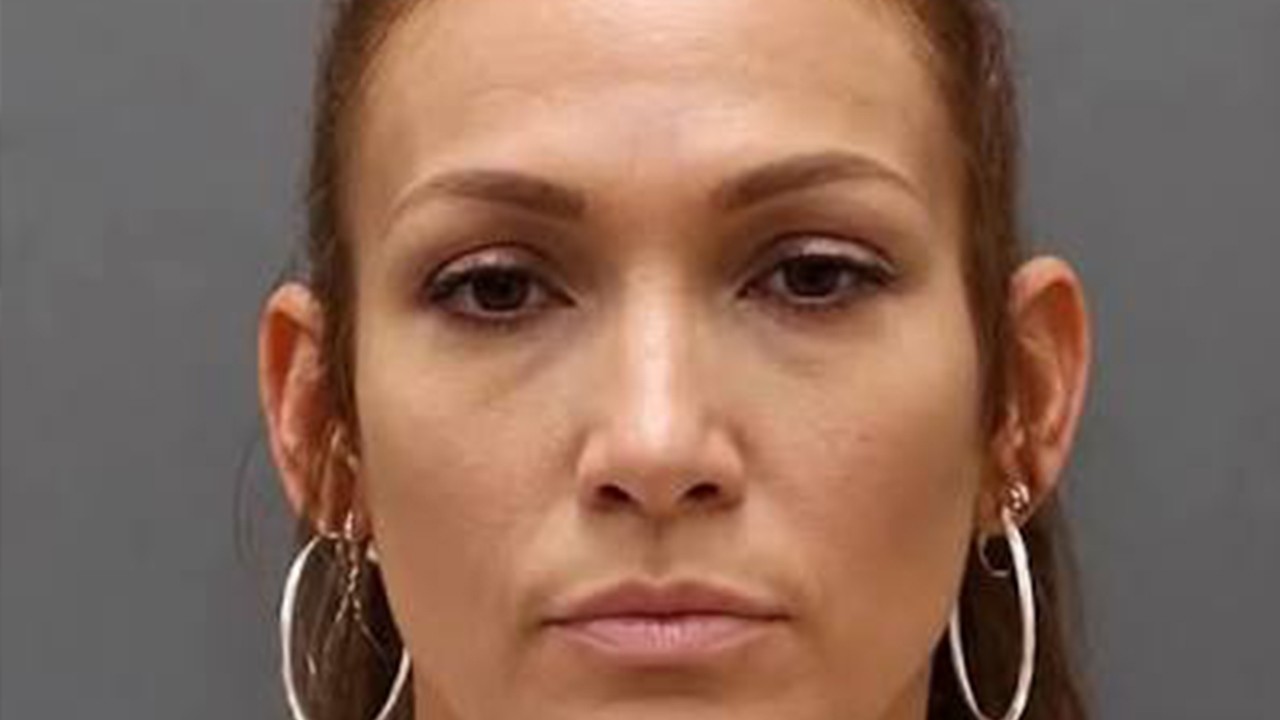
Minnesota Woman’s Mugshot Goes Viral for Striking Resemblance to Jennifer Lopez
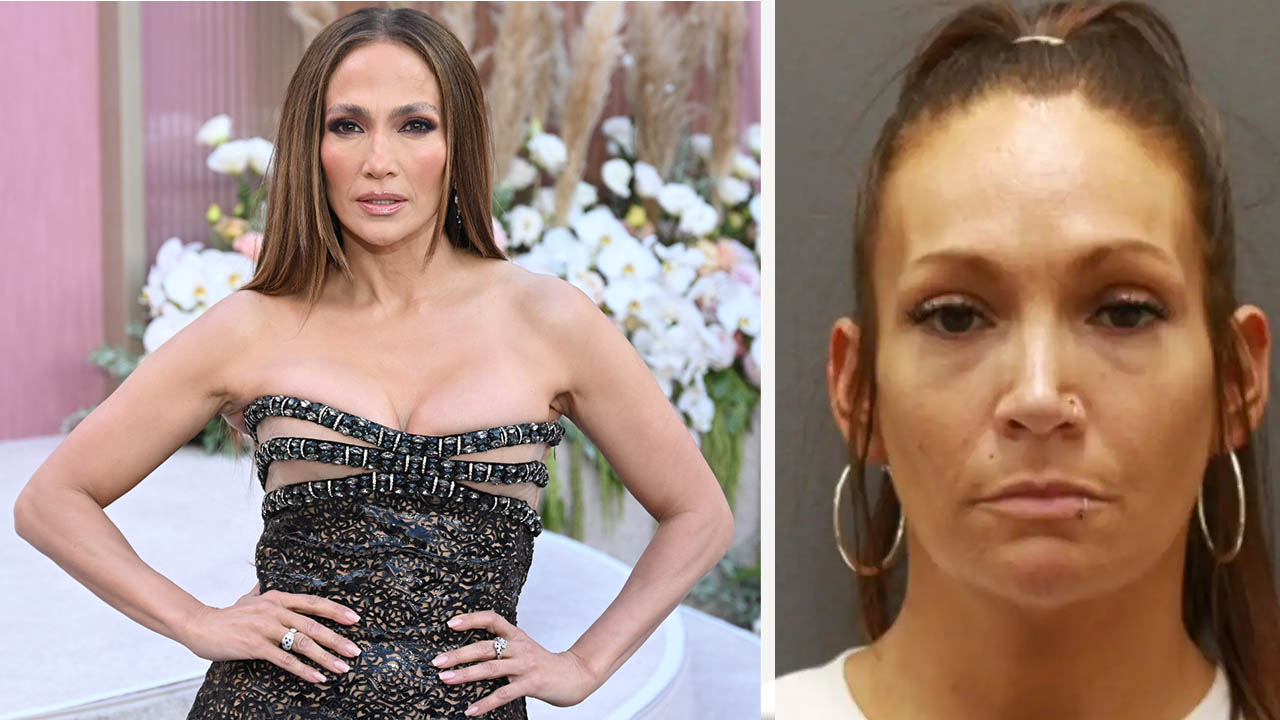
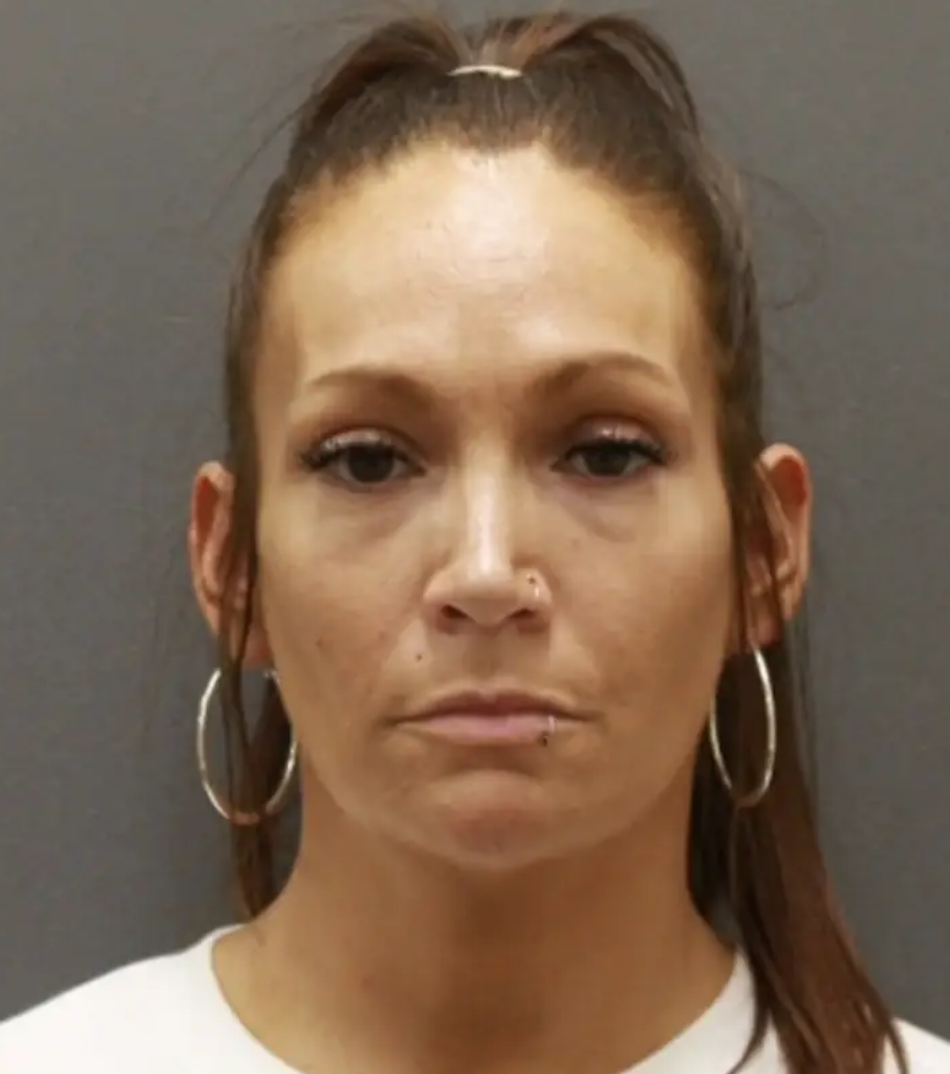
In late August, what would have otherwise been a routine shoplifting arrest in Monticello, Minnesota, gained widespread national and international attention. The story did not become noteworthy because of the events of August 30 themselves, but rather because the booking photo of the woman arrested, 35-year-old Cyrena Anne Quast, quickly went viral due to her remarkable resemblance to American singer and film star Jennifer Lopez.
The Incident: What Happened in Monticello?
According to police and reports from credible news sources, Cyrena Anne Quast was taken into custody after allegedly stealing two double packs of power tool batteries, valued at approximately $580, from a local store. Store employees recognized Quast from a previous suspected theft, which led them to contact local law enforcement authorities. She was arrested at the scene and processed according to standard procedures, with a mugshot taken as part of her booking.
While shoplifting incidents are recorded regularly across the United States, this particular case would likely have remained local news were it not for what happened next: Quast’s mugshot was shared online, and social media users were quick to point out her uncanny resemblance to superstar Jennifer Lopez, more commonly known as J-Lo.
How the Mugshot Captured the Internet’s Attention
Following the posting of her booking photo, comparisons to Jennifer Lopez snowballed across multiple social media platforms including X (formerly Twitter), Facebook, and Instagram. The image was reposted by entertainment outlets and ignited a wave of memes, comments, and discussions. Some users compared the image directly to Lopez’s past album covers and red-carpet poses, marveling at the similarities between Quast and the international singer, actress, and producer.
The mugshot became a social phenomenon virtually overnight. Many internet users responded with humor, riffing on Jennifer Lopez’s best-known songs. For example, lines from Lopez’s iconic hit “Jenny from the Block”—originally a statement about remembering her roots—were revised and shared widely. Some joked, “In prison she’s known as Jenny from D-Block!” Others referenced her dance background with quips such as “Jenny been walking the block too much.”
Social media engagement with stories like this underscores broader trends in digital culture, where viral fame can arise overnight, even from relatively mundane events. The perception of resemblance between civilians and celebrities is a recurring theme in online communities and can rapidly turn an otherwise private matter into public spectacle.
Pop Culture Meets Crime: The Phenomenon of Celebrity Look-Alikes
This incident is not the first time a mugshot has gone viral because the individual featured resembles a famous celebrity. In recent years, a number of so-called “celebrity doppelgängers” have experienced brief social media notoriety. Internet users are often fascinated by the idea that ordinary people can appear nearly identical to stars, sparking conversations around genetics, coincidence, and the psychology of recognition.
Experts in sociology and digital media suggest these viral moments offer humor and relatability within the sometimes grim context of criminal justice reporting. Yet, they also raise questions: What are the implications for privacy and dignity when an individual’s image circulates online outside their control? How do viral comparisons affect both the individual involved and the celebrity named in the comparison?
In Quast’s case, the viral image sparked a significant amount of public commentary. Comments ranged from good-natured jokes to speculation about the woman’s background and calls for her to become a professional Jennifer Lopez look-alike. “She should be charged twice for not being smart enough to use her likeness raking in money being a Lopez impersonator or a stand-in. The similarity is insane,” one social media user commented.
There were also more empathetic responses recognizing that viral fame can come with unforeseen consequences, especially for someone facing criminal charges. Experts suggest individuals in these situations may face additional public scrutiny or stigmatization—sometimes even more than the original criminal allegation would merit.
Background: Cyrena Quast’s Previous Encounters with Law Enforcement
As the story gained momentum, further details about Cyrena Quast’s history with law enforcement came to light. According to public records and reports from outlets such as the Daily Mail, the August 30 shoplifting incident was not her first encounter with the police. Previous records indicate that Quast has faced allegations including drug possession, driving while intoxicated (DWI), fleeing from law enforcement officers, and providing false identification, among other traffic-related offenses.
Following her arrest for shoplifting, Quast was released the day after being booked. There have been no reports suggesting physical harm or violence was involved in any of the incidents documented.

Societal and Psychological Aspects of Viral Mugshots
Mugshots becoming viral is a topic that has been critically examined by media ethics experts and law enforcement officials in the United States and beyond. In the age of the internet and social media, mugshots can quickly circulate beyond their original purpose—as instruments of public record—into platforms for entertainment, ridicule, or even fame.
While some individuals leverage viral notoriety (such as the previously referenced “wide neck guy,” who later appeared in commercials and on talk shows), others may feel exposed or subject to public humiliation. This phenomenon raises ethical questions about the boundaries of privacy, the permanence of online reputation, and the responsibilities of both news organizations and individual social media users.
There’s also a growing debate on the part of police departments and court systems regarding whether mugshots should be released routinely to the media, given their potential for misuse and their sometimes disproportionate impact on individuals who have not yet been convicted of a crime. In some states, reforms have been proposed to limit mugshot releases in non-violent offenses or to restrict their subsequent use in “mugshot shaming” websites.
Celebrity Look-Alikes and the Internet Age
Instances in which ordinary citizens become internet-famous for resembling celebrities are increasingly common, multiplied by the reach and rapidity of social media. While celebrity doppelgängers have been of interest for as long as celebrity culture has existed, platforms like Instagram, Reddit, and TikTok have accelerated and globalized such trends. These events often become vehicles for humor, creativity, and sometimes solidarity, but also highlight the complexities of fame in the digital age.
For celebrities, the existence of look-alikes can have a mixed impact. On one hand, it often reinforces their place in the public consciousness. On the other, it can spread confusion or further subject private citizens to unwanted attention. Jennifer Lopez herself has not commented publicly on the story, but fan communities have followed the phenomenon closely.
International and Community Responses
Viral stories related to celebrity look-alikes tend to have broad international appeal, amplified by entertainment outlets from the United States to Latin America and Europe. Major news organizations have reported on the phenomenon, not just as a quirky human interest story, but also as a reflection of changing digital norms. These stories demonstrate how internet culture increasingly blurs the lines between news, entertainment, and social commentary.
Within the affected community, local response has been predictably mixed. Some residents of Monticello have expressed surprise at seeing their hometown referenced in global news cycles, while others have reflected on the dilemmas associated with digital notoriety and criminal justice. Online, many users have left comments speculating about other celebrity look-alikes or recounting similar viral instances.
Lessons from a Viral Moment: Privacy, Humor, and Responsibility
In the final analysis, the viral mugshot of Cyrena Quast opens several lines of inquiry pertinent to digital society in 2024.
- How should we balance the public’s right to know with an individual’s right to privacy?
- Are viral moments like these ultimately harmless and funny, or do they carry a potential for longer-term harm for those involved?
- What does the internet’s fascination with doppelgängers say about identity, celebrity, and the increasingly globalized nature of digital culture?
The answers remain contested. However, what is clear is that, in today’s interconnected world, a brief mistake or simple coincidence can lead to unexpected notoriety, offering opportunities for cultural reflection as well as caution concerning the lasting implications of digital exposure.
Sources
Disclaimer: This content is intended for entertainment purposes only and is not based on real events.