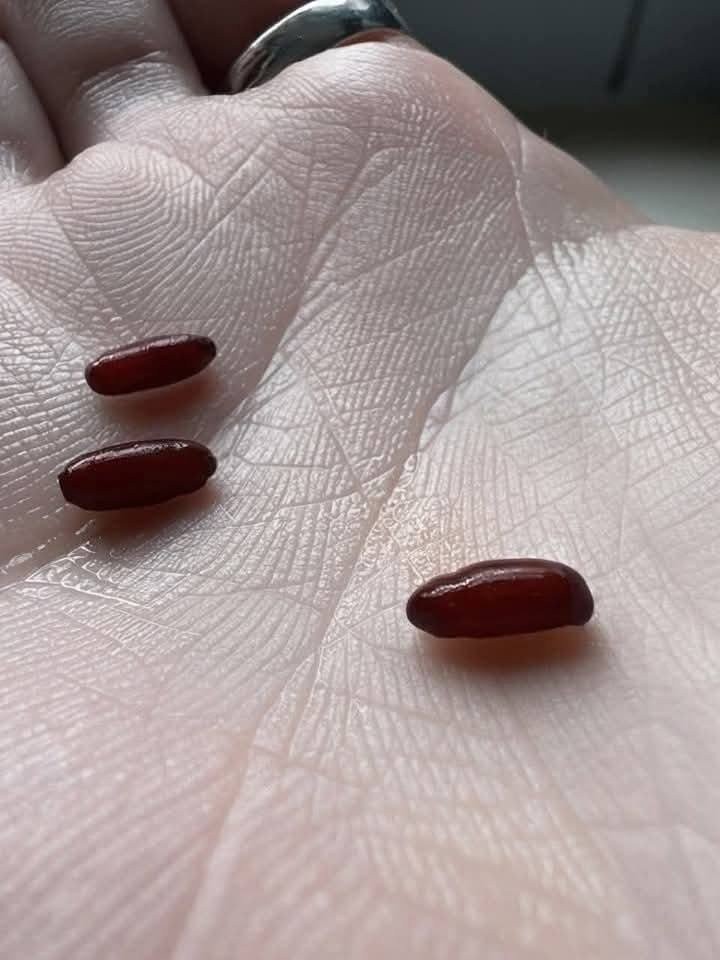
I Just Found This Thing on My Bed. What Is It?
Discovering Unfamiliar Objects: First Reactions
Walking into your bedroom and noticing unfamiliar objects on your bed can evoke anxiety and confusion. The home is often considered a safe and comfortable environment, so finding unknown items—especially those with a strange appearance—quickly prompts a variety of questions and worries. Whether the objects are reddish-brown, capsule-shaped, shiny, or just plain odd, it is essential to remain calm and approach the situation methodically.
Initial Assessment: Observing Physical Characteristics
When encountering foreign objects, the first step is to observe their physical features closely. Are they soft or hard to the touch, shiny or matte, and uniform in shape? Do they resemble something organic, synthetic, or medicinal?
- Shape: Capsule-like, oval, or irregular?
- Color: Reddish-brown, translucent, or opaque?
- Surface: Shiny, jelly-like, or fibrous?
- Size: Small, large, consistent between pieces?
This careful observation provides crucial clues, which can help narrow down possible explanations.
Possible Explanations: Common Candidates
Let’s analyze potential reasons for finding such objects:
Softgels: Supplements or Medications
One plausible explanation is that these items are dietary supplement softgels or medication capsules. Many over-the-counter supplements—such as fish oil, vitamin E, omega-3, or krill oil—are produced in reddish-brown, shiny, capsule formats. They are made from gelatin or plant-based outer shells and contain liquid or oil inside. If someone in your household regularly uses supplements or medications, these softgels could have fallen out of a container or been misplaced during bedtime routines.
Softgels are usually smooth to the touch, somewhat flexible, and react quickly to pressure by dissolving—especially in a warm environment. It is also not uncommon for pets or children to access medication bottles left on bedside tables, which may explain how such items ended up on your bed.
In rare cases, a pet may inadvertently transport a capsule from another room.
Seeds: Natural Sources
Another possible source is seeds. Some seeds, such as pomegranate, date, or even pumpkin, have a smooth, brownish, and shiny appearance. However, most seeds possess a fibrous and solid quality and rarely look gelatinous or soft. Additionally, seeds are typically left behind from recent meals or snacks, so consider whether any food was consumed in the bedroom.
It is important to compare the object’s characteristics with known seed types. For example, pomegranate seeds are translucent and juicy, while date seeds are opaque and sturdy. If the found object does not fit these features, seeds are a less likely explanation.
Insect-Related Fears: Eggs, Larvae, or Droppings
The possibility of these objects being insects, their eggs, or droppings often elicits immediate apprehension. Most insect eggs—such as those from bed bugs, fleas, or mites—are white, translucent, and usually tiny or grouped irregularly. Insect larvae typically move or are soft but not shiny. Droppings from insects or rodents tend to be matte and dark, not shiny or uniform. In this case, the discovered items being uniform and shiny suggests they are not of insect or rodent origin.
Nevertheless, investigating nearby areas for signs of pests remains a prudent step. Look for additional unexplained objects, signs of infestation, or bites. If suspicions persist, consulting a pest control professional is advised.
Expert Views: How to Identify Unknown Objects
Specialists recommend several steps for identifying unexplained objects in your home:
- Document the Object: Take clear photos from multiple angles. Make note of color, size, and shape. This helps if you need to show a professional.
- Contextual Clues: Reflect on recent activities, food consumption, or changes in routine (e.g., pet behavior, medication use, renovation).
- Check Product Packaging: Review containers for dietary supplements, pet food, or snacks for similarities to the object found.
- Consult an Expert: If there is concern about health or safety, reach out to pharmacists, pest control experts, or local extension offices for guidance.
Many local clinics and universities offer identification services for found objects, especially if you are worried they may affect health or safety.
Implications: Household Safety and Hygiene
Discovering unknown objects highlights the importance of maintaining household safety and hygiene. The accidental presence of softgels, medication, or seeds underscores risks associated with leaving consumable products within easy reach. For households with children or pets, proper storage is vital to prevent ingestion or contact. The U.S. Food and Drug Administration (FDA) and Centers for Disease Control and Prevention (CDC) both recommend keeping medications and supplements in childproof containers in secure locations.
Regular cleaning routines and investigating unfamiliar items quickly can minimize exposure to accidental hazards.
International and Societal Responses to Household Hazards
The issue of unknown materials ending up in bedrooms and living spaces is a global one. International organizations have issued advisories regarding accidental contact with medications, supplements, or potentially toxic substances, especially among vulnerable populations. For example:
- The World Health Organization (WHO) advocates public information campaigns about medication safety.
- The CDC warns about household exposure to foreign materials, urging immediate identification and removal.
- European and North American health agencies foster safe storage practices for all substances—especially in family homes.
Societally, increased awareness and practical education have lowered rates of accidental exposure in many regions.
What To Do Next: Steps After Finding Unfamiliar Objects
- Do Not Panic: Keep calm and avoid touching the object unnecessarily.
- Secure the Area: Remove pets and children and safely isolate the object.
- Identify: Compare with household items; check medication, supplements, and food products.
- Disposal: If safely identified as a softgel or seed, dispose in the trash. If unidentified, store in a sealed bag or container for further analysis.
- Seek Professional Guidance: Contact a pharmacist, poison control center, or pest management specialist if concerns remain.
- Review Security Practices: Evaluate and improve storage systems for medicines, supplements, and foods.
These steps contribute to safer homes and prompt resolution of concerns.
Real-Life Experiences and Community Perspectives
Homeowners frequently share experiences of finding odd objects, ranging from harmless supplement capsules to rare cases of seeds or benign household debris. Online forums and community groups emphasize that most cases result from simple accidents, such as misplaced pills or spilled snacks. Occasional mystery objects prompt greater caution, leading people to seek expert advice or reassurance.
Sharing such experiences helps others learn about prevention, safety, and the importance of promptly resolving uncertainties regarding unfamiliar items.
For extra context or examples, images like 
Conclusion
Finding mysterious reddish-brown, shiny, capsule-shaped objects on your bed is initially unsettling, but most outcomes are benign. Careful observation, contextual investigation, and expert consultation are the keys to identification. Whether the objects are common softgels, seeds, or harmless debris, maintaining household safety practices is paramount.
Storing medications and supplements securely, cleaning regularly, and sharing experiences with community members and experts can minimize risks and provide peace of mind. Ultimately, approaching such scenarios with calm and methodical reasoning ensures a safe and healthy home environment.
Sources
- Centers for Disease Control and Prevention (CDC)
- World Health Organization (WHO)
- U.S. Food and Drug Administration (FDA)
- Reuters
- BBC News
- Mayo Clinic
Disclaimer: This content is intended for entertainment purposes only and is not based on real events.