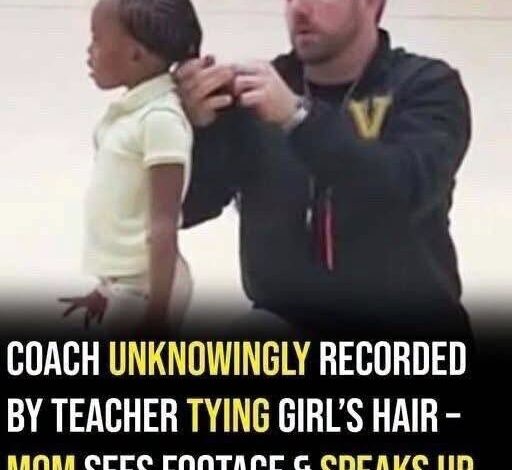
Coach Unknowingly Recorded by Teacher Tying Girl’s Hair, Mom Sees Footage Online & Speaks Up
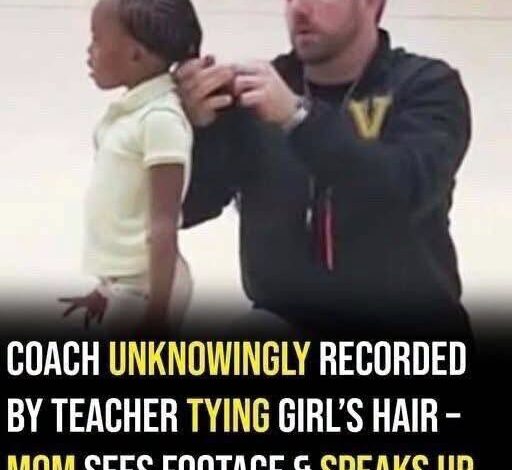
In the bustling gymnasium of an elementary school in Valdosta, Georgia, a simple act of kindness quietly unfolded and soon resonated far beyond the school’s walls. During a kindergarten basketball game, physical education teacher and coach Jonathan Oliver was carefully managing the event when a young student named Kristen approached him with a modest, practical request: she needed help tying her hair into a ponytail so she could participate comfortably and keep her vision clear during the game. Oliver responded without hesitation, stepping briefly aside from his coaching duties to kneel down and assist her, a small gesture that to him was routine and unremarkable.
The Moment Captured: An Accidental Viral Video
Unbeknownst to Coach Oliver, another teacher witnessed the interaction and decided to record it. The video captured the authenticity of the moment—there was nothing staged or performative about Oliver’s demeanor as he gently tied Kristen’s hair, his concentration fixed on helping her feel confident and ready to play. Within a short time, the video was circulated among staff, and then posted online, where it rapidly gained attention on social media platforms.
Viewers were moved by the scene’s everyday tenderness, its demonstration of care and concern in an educational setting often preoccupied with academics and competition. For many, it served as a reminder of how significant small acts of kindness can be, especially for young children in school environments.
Reactions from Families and the School Community
When Kristen’s mother saw the footage online, her response was filled with gratitude and admiration. She publicly expressed her appreciation for Coach Oliver’s attentiveness, emphasizing how meaningful it was for her child to feel supported and cared for by an adult at school.
Local parents and guardians echoed similar sentiments, many of them leaving positive comments about the emotional safety and inclusive atmosphere Oliver fostered. Some recounted their own children’s experiences with supportive school staff, underscoring the vital role educators play as mentors and role models beyond their formal responsibilities.
The Importance of Acts of Kindness in Schools
The widespread reaction to the video stemmed in part from the broader conversation about the environment within schools, especially at the elementary level. Educational experts have long underscored the importance of emotional intelligence, social learning, and care in early childhood settings. According to guidelines from the Centers for Disease Control and Prevention (CDC) and the World Health Organization (WHO), fostering empathy, positive relationships, and supportive environments is crucial for healthy child development.
The video of Coach Oliver exemplifies these values in action. Simple as it may seem, helping a child with her hair when she is struggling not only addressed her immediate comfort but also communicated an important, empowering message: students are valued, seen, and helped without judgment.
Social Media and the Amplification of Everyday Moments
In recent years, social media has enabled the rapid spread of everyday moments that might otherwise have remained private. While this sometimes leads to issues of privacy and consent, positive stories such as this one often generate a sense of collective goodwill. Commentators on sites like Facebook, Twitter, and Instagram praised Oliver’s empathy and questioned how society might better recognize and encourage such behavior in public service roles.
Scholars of education and psychology note that while viral moments can be fleeting, their cumulative effect can shift public perceptions of what is valued and celebrated in educational institutions. Stories like these encourage others to act compassionately and reinforce the notion that educators are more than instructors: they are central figures in students’ social and emotional growth.
The Role and Responsibility of Educators
Teachers and coaches are often regarded as authority figures who shape not only academic but personal development. Studies published by the Mayo Clinic and guidance from organizations like the American Psychological Association highlight the long-term benefits of positive student-teacher relationships. Children who feel respected and nurtured by adults in school report higher levels of well-being, greater engagement with learning, and stronger social skills.
In interviews following the incident, Coach Oliver reflected on the nature of his role. He stated that his duty extended beyond teaching or coaching skills—it included being available to help students with whatever they needed to thrive, both on and off the court. His colleagues and school leadership praised his commitment.
Challenges and Boundaries in Professional Settings
While reactions to the video were overwhelmingly positive, some observers raised thoughtful questions regarding boundaries, professionalism, and ensuring consent—even in acts meant to help. Educational policies in most districts encourage staff to maintain clear, respectful boundaries, especially regarding physical contact with students. However, these policies also emphasize the importance of context and the intent behind actions. The interaction between Oliver and Kristen was purely supportive, respectful, and in the view of many experts, a model of how educators can care for their students’ welfare while observing professional guidelines.
School officials confirmed that the district’s policies were properly observed and reiterated their support for teachers finding caring ways to meet student needs. Training for staff members often includes guidance on the appropriate handling of such situations, balancing a caring approach with the necessary oversight and transparency.
Impact on Educational Culture and Policy
The prominence of this incident has prompted renewed discussions in Valdosta and beyond about the kinds of actions and attitudes educators should embody. School administrators have cited the incident as a “teachable moment,” using it to reinforce the importance of empathy, vigilance, and positive role modeling among staff.
Educational observers point to tangible benefits for both students and staff when acts of kindness are recognized and valued. They advocate for professional development that prioritizes emotional intelligence and relationship-building alongside instructional strategies.
Responses Beyond Local Community: National and International Praise
News organizations across the United States, including outlets like Reuters and the BBC, reported on the incident, amplifying the story’s reach. Editorials and social media posts from abroad offered words of admiration and drew comparisons with similar moments experienced by teachers and coaches worldwide. International experts in childhood development lauded both the intention and effect of Oliver’s gesture, noting that small acts of support and inclusion can have lasting positive effects on young students.
The incident has led some school districts elsewhere to review their own policies and training to ensure that staff feel empowered to assist students appropriately and sensitively, emphasizing that care and attentiveness are integral to effective education.
Reflections from Coaches, Teachers, and Families
In the weeks following the event, many teachers and coaches have shared their own stories—sometimes online, sometimes within school communities—of moments when they provided similar help to students. These anecdotes reinforce the narrative that schools are not just places of academic instruction, but environments for care, support, and community building.
Parents, too, have voiced appreciation for educators who demonstrate flexibility and compassion. Advocacy groups dedicated to child well-being encourage school leadership to create cultures in which staff feel recognized and supported in going above and beyond for students’ holistic needs.
Conclusion: Lessons from a Viral Act of Compassion
The image of Coach Oliver tying a young student’s hair may appear unremarkable at first glance, but for countless people who saw the video, it stands as a powerful reminder of the profound impact that small and thoughtful gestures can have in educational settings. It underscores the importance of fostering empathy, support, and trust in schools—a message that resonates with parents, students, and educators alike.
As schools strive to balance academic rigor with social and emotional well-being, the example set by educators like Coach Oliver demonstrates that kindness, respect, and a willingness to help are fundamental components of a positive learning environment. The collective response to this story suggests that, even amid the rapid pace and pressures of modern education, the simple act of helping a child can spark dialogue, lift spirits, and inspire change for the better.
Sources
- Reuters
- BBC
- Centers for Disease Control and Prevention (CDC)
- World Health Organization (WHO)
- Mayo Clinic
- The Guardian
Disclaimer: This content is intended for entertainment purposes only and is not based on real events.