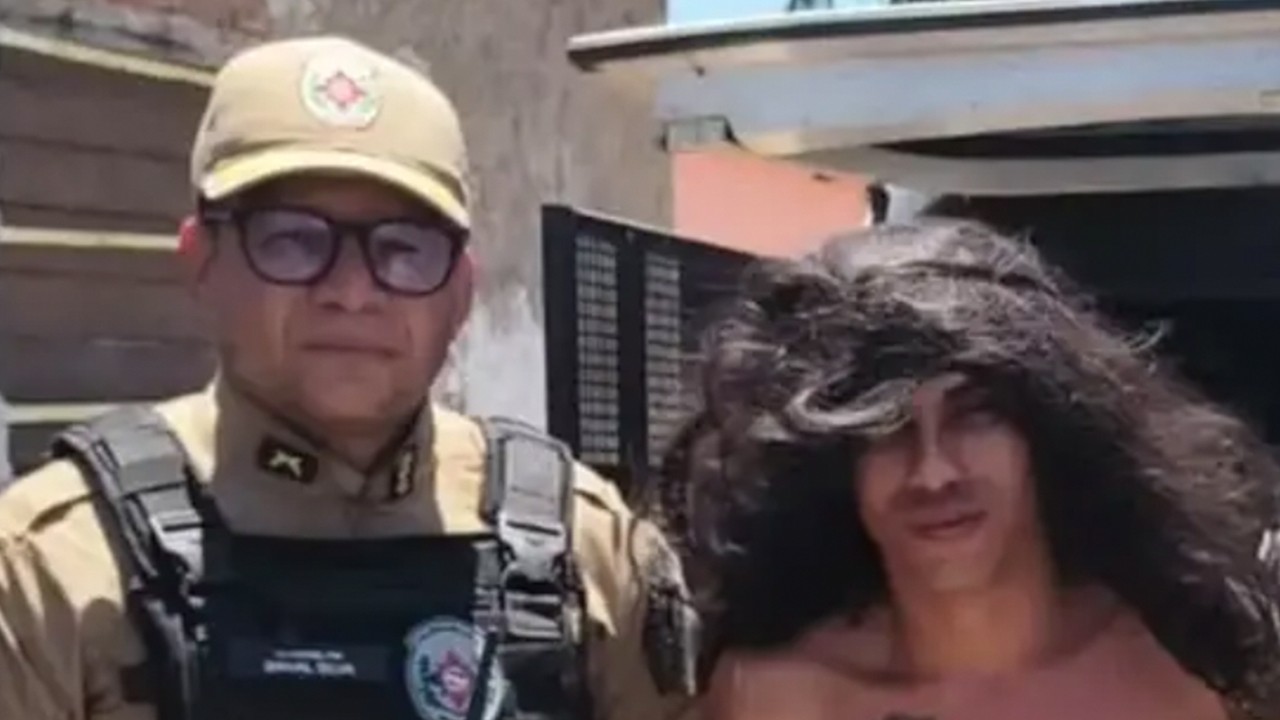
Brazilian Authorities Arrest Suspected Serial Killer Jorlan Lopes da Silva After Dramatic Capture
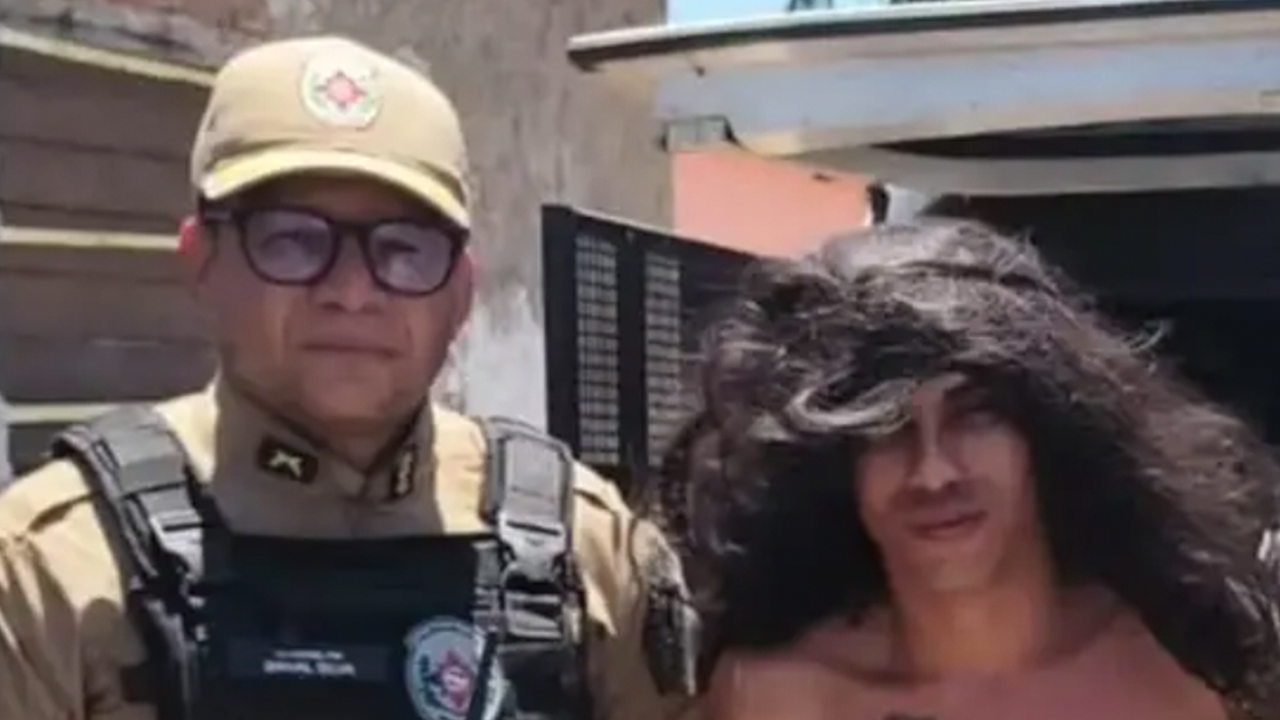
Overview of the Arrest
On Sunday, September 13, Brazilian authorities carried out a high-profile arrest, apprehending Jorlan Lopes da Silva, 33, who is suspected of being a serial killer. The operation was conducted jointly by the Civil Police of Paraiba and the region’s military police, following intelligence and prior attempts to capture him. Da Silva’s arrest has garnered significant attention due to the unusual circumstances surrounding it and his subsequent confession to multiple murders.
The Arrest Operation and Suspect’s Disguise
According to reporting from Correio Braziliense, police had attempted to apprehend da Silva approximately 20 days prior to his eventual arrest. The breakthrough came when da Silva was discovered in disguise as a woman, carrying a toddler unrelated to him. Police noted that da Silva wore a wig, dress, sandals, sunglasses, and painted fingernails in a bid to avoid detection. The use of disguise highlighted the lengths to which he was willing to go to evade capture.
The police operation to apprehend da Silva lasted close to 30 hours. During this time, authorities established a tight perimeter, using strategic methods to locate and trap the suspect effectively. This demonstrates the complexity and coordination involved in such high-risk police operations, especially when dealing with suspects accused of serious crimes.
Public Reactions to the Arrest
The arrest quickly became a topic of conversation online, especially due to viral footage showing da Silva in his disguise. Social media users expressed a range of reactions, from shock at the scale of his alleged crimes to amusement at the execution of his disguise. Comments varied from comparisons to fictional and celebrity disguises, to questioning the suspect’s efforts in evading law enforcement. Virality on platforms like X (formerly Twitter) often amplifies cases involving unusual elements, and this instance was no exception.
Suspect’s Confession and Investigative Developments
Da Silva is alleged to have committed a large number of homicides, with initial reports attributing at least 16 deaths to him over the span of three months. However, during police interrogation following his arrest, da Silva confessed to a much higher figure: up to 80 murders spanning two decades. Police reported that he exhibited composure during his confession and disclosed that his first alleged crime occurred when he was just 13 years of age.
The confession is subject to verification, as authorities are keen to distinguish between factual information and potential exaggeration or false claims. Police have reportedly located at least one body based on da Silva’s statements, and are pursuing numerous leads as they continue the investigation. This phase involves coordination between forensic teams, homicide investigators, and legal authorities to corroborate suspect admissions and locate victims.
Background of Jorlan Lopes da Silva
Details concerning da Silva’s background remain under investigation. Information available from official police statements indicates a history of alleged criminal activity beginning in his adolescence. Understanding the suspect’s timeline, methods, and motivations is a critical component of the investigation. Law enforcement are conducting interviews with acquaintances and analyzing patterns in unsolved cases that may be linked to da Silva, aiming to build a comprehensive profile and determine the total impact of his alleged actions.
Challenges in Serial Murder Investigations
Serial murder investigations present considerable challenges for authorities worldwide, including Brazil. The long time span, varying modus operandi, and often transient nature of suspects make it difficult to aggregate evidence and establish clear links between cases. Additionally, false confessions and exaggerations can complicate efforts to ascertain the real number of victims. Forensic analysis, witness testimony, and review of cold cases are necessary steps, but the process can take months or years.
In Brazil, such cases underscore the difficulties faced by law enforcement, from resource allocation to dealing with public reactions and media scrutiny. The success of the operation to apprehend da Silva illustrates the importance of inter-agency cooperation and timely intelligence sharing.
Legal Proceedings and Rights of Suspects
In Brazil, suspects are entitled to legal protections under the law, including the presumption of innocence until proven guilty. Following his arrest and confession, da Silva will be subject to judicial process, where evidence will be reviewed by prosecutors and defense counsel. The justice system aims for due process, and the court will consider all aspects, including the accuracy and voluntariness of confessions, physical evidence, and expert testimony.
High-profile cases such as this often attract significant public and media attention, posing additional challenges for maintaining impartiality and protecting the rights of the accused. Public interest must be balanced with a commitment to justice and transparency.
International Context and Societal Impact
Brazil has experienced several high-profile criminal cases in recent years, sparking debates on public safety, policing, and criminal justice reform. Serial murder cases are rare, but their impact is profound both nationally and internationally. In countries worldwide, such cases raise awareness about the need for effective investigative methods, interagency cooperation, and victim support services.
Societal reaction to alleged serial killers often includes concern about safety, calls for stronger law enforcement, and increased scrutiny of investigative practices. International organizations, criminologists, and human rights advocates closely monitor these cases for compliance with legal norms and best practices.
Expert Views on Criminal Profiling and Prevention
Experts in criminology emphasize the importance of early identification and intervention for individuals at risk of committing serial offenses. Criminal profiling, forensic analysis, and community awareness campaigns all play roles in prevention. In Brazil, ongoing efforts to strengthen forensic capabilities and train law enforcement in advanced investigative techniques have been highlighted following cases like that of da Silva.
Psychologists and criminal profilers have also commented on the typical traits and motivations associated with serial offenders. Early social interventions, mental health support, and attentive policing are recommended strategies for reducing risks in communities. Expert analysis of da Silva’s case will contribute to the ongoing study of serial crimes and their prevention.
Victim Support and Community Responses
Authorities in Brazil have pledged to provide support to victims and affected families. These commitments include psychological counseling, legal assistance, and efforts to identify and recover remains in order to provide closure. Community organizations may also be involved in offering support to those impacted, emphasizing empathy and solidarity for families affected by violent crimes.
Community leaders often urge calm and cooperation with law enforcement, discouraging the spread of speculation and unverified details that can hinder investigations or cause alarm. Responsible media coverage is essential to maintain accuracy and sensitivity in the reporting of such cases.
Ongoing Investigations and Next Steps
Investigations into the alleged crimes committed by Jorlan Lopes da Silva are ongoing. Law enforcement continues to work to confirm the full scope of da Silva’s actions, locate additional victims, and build a robust legal case. As new evidence emerges, prosecutors will decide on charges and proceedings. The case remains under close observation by both national and international media, illustrating the complexities inherent in investigating and prosecuting serial crimes.
Conclusion
The arrest of Jorlan Lopes da Silva marks a significant moment in Brazilian law enforcement’s efforts to address serial crime. While the investigation is ongoing, authorities are taking careful steps to confirm facts, support victims, and maintain due process under the law. This case underscores both the challenges and the importance of robust investigative methods and interagency collaboration. As information continues to develop, Brazilian society and the wider world continue to monitor the proceedings with interest and concern.
Sources
Disclaimer: This content is intended for entertainment purposes only and is not based on real events.