Los Angeles News Helicopter Crash: Remembering Eliana Moreno and Examining the Tragic Accident
Introduction
In the bustling skies above Los Angeles, news helicopters are an ever-present feature, bringing up-to-the-minute developments on traffic, emergencies, and unfolding events to viewers across the region. On a typical Tuesday evening, what began as routine aerial coverage of a tragic traffic accident turned into another calamity: a deadly helicopter crash that claimed the lives of veteran aerial reporter Eliana Moreno, pilot George Marciniw, and one person on the ground. This article explores the background and context of the accident, the lives affected, the ongoing investigation, and the far-reaching impact on the journalism community and public safety discussions.
The Tragic Event: Timeline of the Crash
On Tuesday evening, the NBC4 NewsChopper4 helicopter, a Eurocopter AS350, was deployed to provide live coverage of a fatal traffic collision involving an SUV and a Metro bus in the Chatsworth neighborhood of Los Angeles. As the chopper circled above the accident scene, it suddenly began to lose altitude. Video footage from inside the cabin, later circulated by several news outlets, captured the harrowing moments as the helicopter descended rapidly, with chaotic camera movement signifying the aircraft becoming unstable.
According to eyewitness accounts and onboard recordings, Eliana Moreno could be heard anxiously interacting with the pilot in the moments before impact, asking, “What? You can’t pull up?” Only seconds passed before the helicopter crashed between commercial buildings in the 9100 block of North Mason Avenue—bursting into flames and igniting several nearby vehicles.
Immediate Aftermath and Emergency Response
The Los Angeles Fire Department (LAFD) responded swiftly, deploying more than seventy firefighters who raced to the scene to extinguish the intense blaze and prevent further damage. Despite their efforts, the crash claimed the lives of Moreno, 38-year-old pilot George Marciniw, and one individual on the ground, while another person was hospitalized with serious injuries. The tragedy sent shockwaves through the tightly-knit journalism and aviation communities of the city.
Inside the Newsroom: Shock and Grief
The devastating news hit the NBC4 and Telemundo 52 teams especially hard. Inside the newsroom, live anchor Colleen Williams was forced to share the heart-breaking update with viewers as confirmation of the helicopter’s fate reached the station. Struggling to maintain composure, Williams explained, “We knew it was a news chopper and we knew we’d lost contact with our people out there… and we’ve just received the confirmation that in fact news chopper four went down just before seven o’clock tonight in Chatsworth.” The broadcast was then paused as the team processed the loss of their colleagues.
Expressions of grief and solidarity soon poured in from both local and national news organizations, with NBC4 and Telemundo 52 issuing a joint statement: “We are deeply saddened to share that a helicopter providing aerial news coverage for NBC4 and Telemundo 52 was involved in a fatal accident in Los Angeles on Tuesday evening. We extend our heartfelt condolences to the families, friends, and colleagues of those who lost their lives.”
Remembering Eliana Moreno: A Trailblazing Aerial Reporter
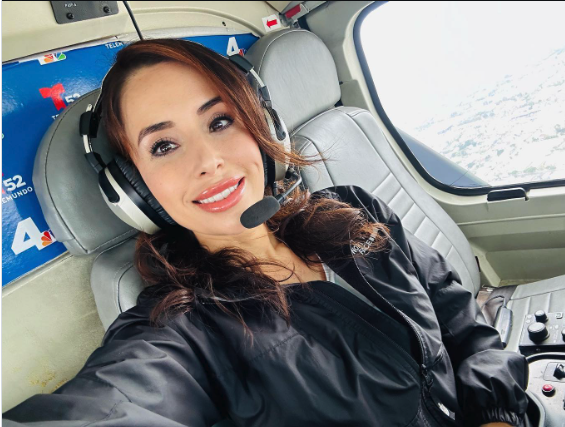
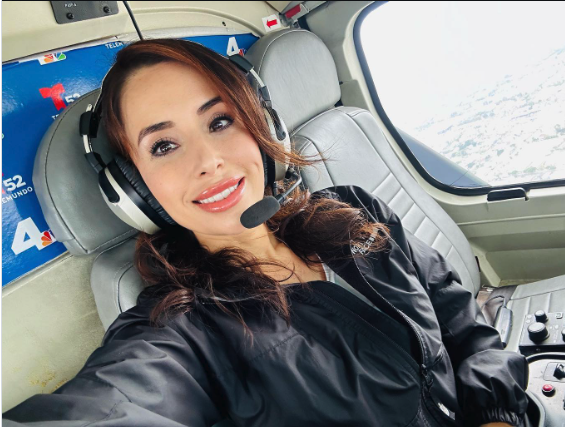
Eliana Moreno was a beloved and respected member of the Southern California journalism community. Beginning her career with Angel City Air in 2010, she worked with several television stations before becoming the go-to aerial reporter for both NBC4 and Telemundo 52. Moreno was known for her dedication, clarity, and composure while providing live aerial updates on fast-evolving stories—delivering crucial information to millions of viewers during major news events.
Friends and colleagues described Moreno as passionate, highly skilled, and deeply committed to bringing the news to the public. For her, aerial journalism was more than a profession; it was a calling she had dreamed of since childhood. “The best job in the world,” she once described it. Her voice became familiar to countless Southern Californians, guiding them through natural disasters, traffic incidents, and breaking news from the unique vantage point of the sky.
Pilot George Marciniw: A Veteran at the Controls
Pilot George Marciniw, who also perished in the crash, had been flying in the demanding skies of Los Angeles for many years. With extensive experience in complex and high-pressure environments, Marciniw earned the trust of many in the broadcast industry. His loss further deepened the tragedy for all those who rely on helicopter pilots to safely navigate the skies during emergencies.
Ongoing Investigation: Searching for Answers
Following the accident, both the National Transportation Safety Board (NTSB) and the Federal Aviation Administration (FAA) launched formal investigations into the causes of the crash. At the current time, the root cause has not been publicly determined. Investigators are expected to review mechanical records, flight data, audio recordings, and maintenance histories of the helicopter, while also interviewing witnesses and evaluating weather conditions at the time of the accident.
The Eurocopter AS350 is widely used in news and utility aviation across the globe. The investigation aims to not only determine what led to the loss of control and subsequent crash, but also to identify any potential safety improvements that could help prevent similar tragedies in the future.
Expert Perspectives: The Risks of Aerial News Reporting
Aviation and journalism experts frequently emphasize the unique challenges of live news helicopter operations. Pilots and reporters must contend with constantly shifting weather, busy airspace, and the pressures of live reporting from fast-changing environments. The combination of urban congestion and unpredictable events increases the risks inherent in newsgathering by air.
Dr. John Cox, an aviation safety expert, notes, “While aerial reporting brings vital situational awareness and information to the public, the risks are compounded during emergency coverage when numerous helicopters may be operating in close proximity under stressful conditions.” Regulatory bodies such as the FAA continually review safety standards; however, experts underscore the critical role of ongoing pilot training, strict maintenance, and clear communications among aircraft and air traffic control.
The Societal Impact and Discussion on Aerial Journalism
The Chatsworth crash has reignited national conversations around the safety protocols for news helicopters and the steps required to protect journalists and flight crews. While such accidents are rare, their consequences are severe and deeply felt, not only within media organizations but among the viewing public, who rely on these reporters for timely, accurate information during crises.
The public outpouring of sympathy on social media, from fellow journalists and community leaders, reflects the broader societal appreciation for the vital role aerial news crews play. Memorials, tributes, and calls for renewed safety awareness have marked the days since the accident, with several journalism associations pledging to work with aviation bodies to further minimize risks associated with the profession.
International and Industry Reactions
International news agencies have also weighed in, reflecting on the critical importance of helicopter news coverage in major metropolitan areas. While news helicopters are most common in cities like Los Angeles, New York, and London, their use carries similar risks worldwide. Aviation authorities in other countries have expressed support for U.S. investigators and a willingness to share global best practices in helicopter operations, safety technologies, and emergency response improvements.
Within the broadcast industry, discussions are ongoing about possible upgrades in helicopter safety, including enhanced flight-tracking technologies, improved communication systems, and better pilot support. Some news organizations have already begun reviewing safety checklists and emergency protocols for their aerial teams in the wake of the tragedy.
A Lasting Legacy and Path Forward
The loss of Eliana Moreno and her colleagues serves as a profound reminder of the courage and skill exhibited daily by aerial journalists and pilots. Their willingness to put themselves at risk to bring accurate, real-time information to the public is a cornerstone of modern reporting. As the investigation unfolds and the community continues to mourn, the hope is that lessons learned from this tragedy will lead to even safer skies for those who serve as the eyes and ears above our cities.
Memorials and plans to honor Moreno and Marciniw are underway, with colleagues, friends, and viewers sharing memories and expressing gratitude for their dedication and commitment to public service. This collective acknowledgment underscores the invaluable contributions made by news professionals who work behind—and above—the scenes.
Sources
- Reuters
- BBC News
- NBC News
- Los Angeles Times
- National Transportation Safety Board
- Federal Aviation Administration
Disclaimer: This content is intended for entertainment purposes only and is not based on real events.