Noah Wyle’s Emmy Win: Career, Controversy, and Fan Reactions
Introduction: Emmy Success and Public Scrutiny
Noah Wyle achieved a significant milestone at the 78th Emmy Awards, winning the trophy for Outstanding Lead Actor in a Drama Series for his role as Dr. Michael “Robby” Robinavitch on HBO Max’s acclaimed medical drama The Pitt. This marked his second consecutive win for the character, cementing his status as one of television’s leading performers. The Emmy win was celebrated within the industry, yet it sparked widespread discussion among fans and media observers, not just for the recognition itself, but for the broader context surrounding Wyle, the show, and the ceremony.
While Wyle was being honored for his acting, social media conversations quickly shifted focus. Fans analyzed not only his performance but his physical appearance, relationships with co-stars, and the direction the series has taken under his prominence. This multifaceted response to the Emmy win reflects the complex landscape of modern celebrity and televisual storytelling, where audience engagement goes beyond the screen.
Noah Wyle’s Appearance: Hairline Speculation and Its Broader Meaning
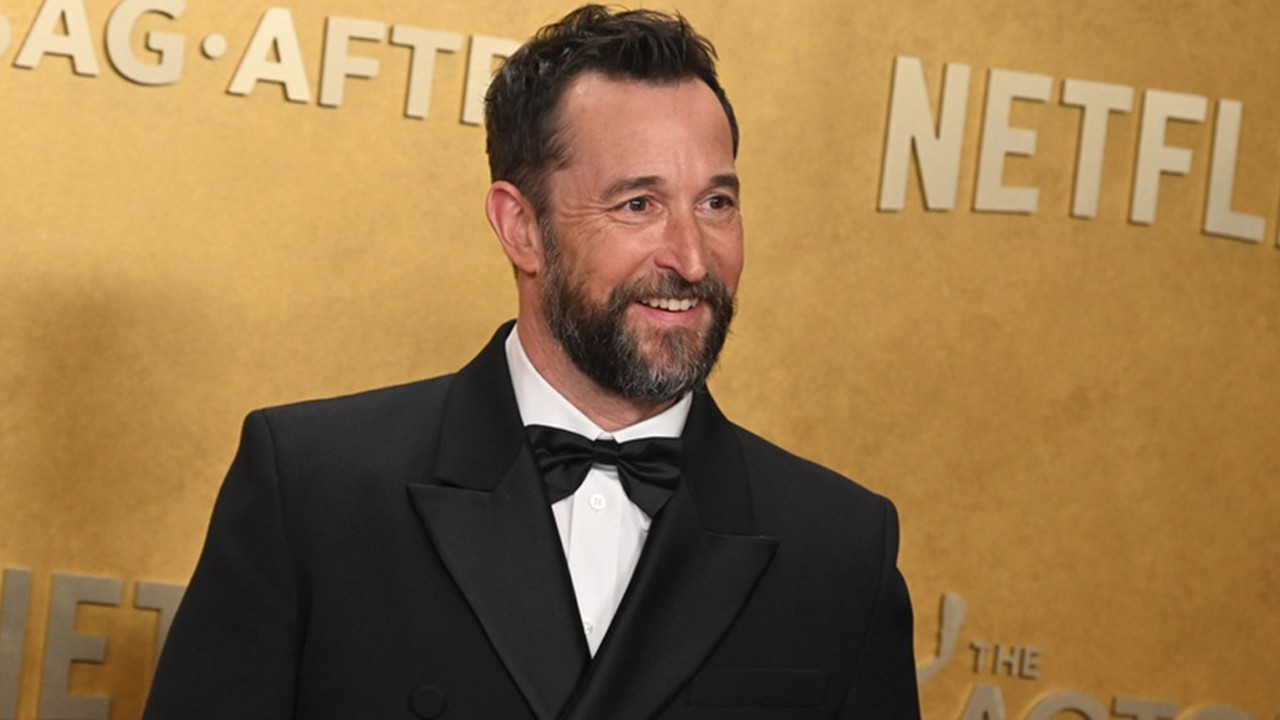
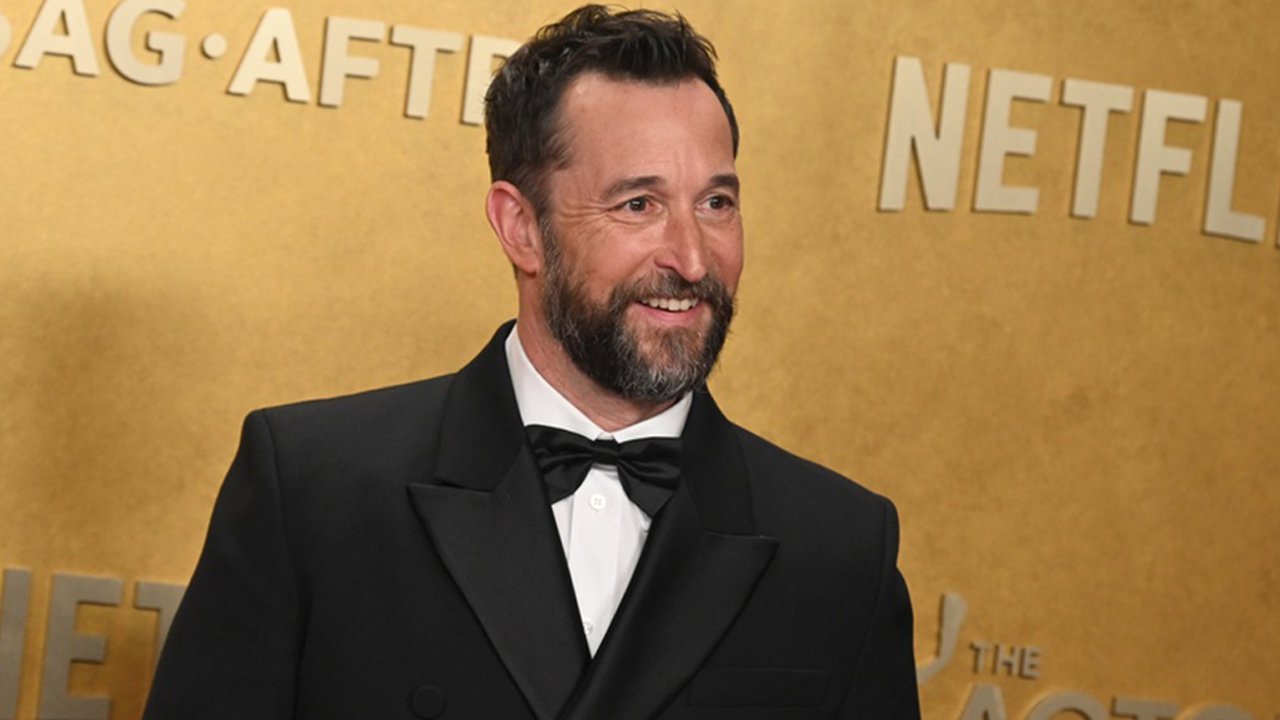
At the Emmy Awards, Wyle appeared with his wife, Sara Wells, dressed in a beige tuxedo jacket, black pleated trousers, classic white shirt, and a black bow tie—a look befitting the occasion. However, attention on his attire quickly shifted to his hairline. Observers on platforms such as X (formerly Twitter) noted that Wyle’s hair appeared fuller compared to prior events, prompting an influx of speculation and jokes regarding potential cosmetic intervention.
The “Turkey trip” reference emerged repeatedly in online discourse, with some users humorously suggesting Wyle had traveled to Turkey—an international hub for cosmetic surgeries, especially hair transplants—to address his hairline. Turkey has indeed gained global recognition for its advanced hair restoration clinics, drawing celebrities and ordinary people alike. Despite these jokes, many fans noted that Wyle’s hairline had not changed significantly, with speculation mixed with skepticism regarding whether he underwent such a procedure.
This phenomenon highlights how celebrity culture has created a space for intense scrutiny of public figures’ appearances, fueled by social media and instantaneous commentary. In this case, while the underlying conversation was lighthearted, it mirrored larger societal discussions about cosmetic procedures, aging in the entertainment industry, and the pressures faced by actors—particularly those who have been in the public eye for decades.
The Pitt: Emmy Win and Show Dynamics
Beyond appearance-based discussion, the Emmy win reignited deeper debates concerning The Pitt as a series. Wyle’s recognition as Outstanding Lead Actor led some fans to question the award’s distribution, noting that he was the only ensemble member to take home a major acting prize. This spurred dialogue about the show’s ensemble cast and its changing dynamics through the seasons.
The Pitt has been lauded for its ensemble-driven approach, creating a multi-layered narrative based on the lives and relationships of medical professionals. However, during the second season, fans expressed concerns that the show began to center more heavily on Wyle’s character, Dr. Robinavitch, shifting away from its original balance among the cast. Critics argued that this change undermined the program’s commitment to inclusive storytelling, favoring star power over collective presence.
Such tension is not uncommon in television series featuring prominent actors, as industry decisions often reflect viewer ratings, critical reception, and behind-the-scenes negotiations. In this context, Wyle’s win was perceived by some as affirmation of the show’s pivot toward his character, sparking renewed calls for greater ensemble recognition.
Cast Changes and Fan Reactions
The controversy regarding Wyle’s increased prominence was further amplified by news of Supriya Ganesh’s departure from the series. Ganesh portrayed Dr. Samira Mohan and was a regular cast member prior to her exit. Her departure led some fans to speculate about the circumstances, with online discussions suggesting potential conflicts within the cast or production team.
However, available reports indicate that the situation is more nuanced than simply attributing blame to any one actor. Television production involves complex contractual, creative, and personal factors. While social media amplifies rumors, credible sources have emphasized the need to distinguish between fictional characters and the actors who portray them. Wyle himself has addressed fan concerns regarding his character’s behavior toward female coworkers, reiterating the difference between on-screen portrayals and real-world personalities.
Many observers and industry experts have called for respectful discourse when discussing cast changes, advocating for nuanced understanding of the interplay between character arcs and actor decisions. Nevertheless, fan engagement demonstrates the passion viewers have for the series and its cast, reflecting television’s power to shape public conversation.
Industry Perspective: Celebrating Artistic Achievement
From an industry standpoint, Noah Wyle’s Emmy win underscores his enduring talent and contribution to television. Wyle has built a reputation as a versatile, thoughtful actor, previously acclaimed for his role in ER and various film and stage projects. His portrayal of Dr. Robinavitch in The Pitt has been praised for its depth, nuance, and authenticity, resonating with viewers and critics alike.
The Emmys serve as a barometer for excellence on television, with the Outstanding Lead Actor category recognizing performers who elevate their series through compelling storytelling. According to media reports and expert commentary, Wyle’s work in the latest season exemplified emotional range, subtlety, and leadership, qualities often sought after in dramatic roles. Despite the online backlash, the recognition reflects both critical and peer acknowledgment within the industry.
Experts in television and media studies note that awards can catalyze further discussion about representation, ensemble dynamics, and character development. They argue that while individual accolades spotlight achievement, collaborative storytelling remains a cornerstone of successful series, and continued dialogue can foster growth both on-screen and behind the scenes.
Looking Ahead: The Pitt’s Future and Wyle’s Plans
Despite the online chatter, Wyle appears undeterred in his commitment to The Pitt. Ahead of the Emmys, he spoke with Variety about the forthcoming third season of the series. He revealed that production was nearing the halfway mark, with the eighth episode being filmed of a 15-episode arc. This indicates robust momentum for the show, with a dedicated creative team working to ensure continuity and quality.
Furthermore, Wyle confirmed his intention to move directly from season three into season four, noting that the writers’ room for the next installment would commence just one week before completing the current production cycle. This seamless transition reflects both Wyle’s dedication and the show’s strong position in HBO Max’s programming lineup.
Industry analysts suggest that this approach is emblematic of modern serialized television, where shows are planned years in advance to maintain audience engagement and develop complex narrative arcs. The anticipated premiere of The Pitt season 3 in January 2027 underscores the network’s commitment to long-term investment in the series, even as exact dates and details remain forthcoming.
Cultural Impact and International Reactions
The Pitt has garnered international attention for its portrayal of contemporary medical crises, societal dynamics, and character relationships. With Wyle at the center, the series taps into global themes of health, workplace diversity, and ethical dilemmas. As such, the Emmy win has attracted coverage from international outlets, with fans and critics in different regions offering varied perspectives on the drama’s evolution and representation.
The speculation about Wyle’s appearance also resonates globally, reflecting universal questions about celebrity, aging, and cosmetic intervention. Media commentators in Europe, North America, and Asia have noted the increasing prevalence of such conversations, observing that actors, like all public figures, navigate shifting expectations regarding image and authenticity.
The sustained engagement around both Wyle and The Pitt is indicative of the ways television shapes cultural discourse, blending entertainment with issues of identity, community, and social values.
Conclusion: Emmy Triumph Amid Ongoing Dialogue
Noah Wyle’s Emmy win for The Pitt represents both an individual achievement and a lightning rod for broader conversation. His performance has been lauded for its depth and complexity, contributing to the show’s critical and commercial success. Yet the response from fans—encompassing admiration, humor, and critique—highlights the multifaceted relationship between audiences and artists.
As The Pitt continues its journey, cast dynamics, narrative focus, and public perception will remain central to its evolution. Wyle’s ongoing involvement points to a strong future for the series, informed by creative vision and sustained audience interest. The Emmy recognition is a testament not only to his talent but to the enduring vitality of television as a forum for storytelling, dialogue, and cultural reflection.
For fans, critics, and industry insiders alike, staying engaged with these developments offers insight into the interplay of art, fame, and audience. As new seasons and industry awards approach, the evolution of The Pitt and its ensemble will continue to shape the landscape of television drama.
Further Reading
Sources
Disclaimer: This content is intended for entertainment purposes only and is not based on real events.