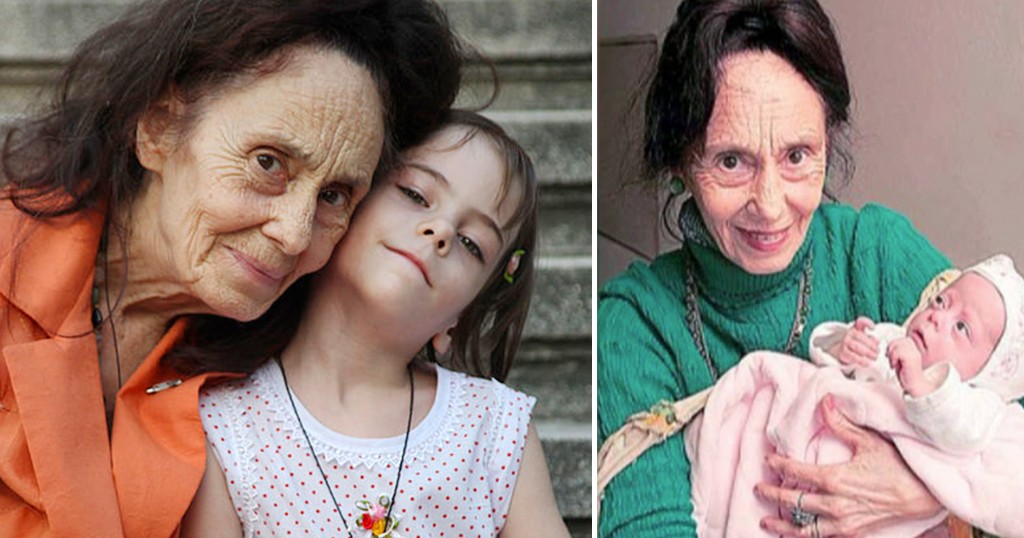
Adriana Iliescu Became a Mother at 66: The Story of the World’s Oldest Mother and Her Daughter 20 Years Later

Becoming a parent is a life-altering experience, marked by profound joy and responsibility. The day a child enters one’s life is often described as unforgettable, reshaping priorities and instilling a new sense of purpose. For most, this event comes at a typical age; however, for Adriana Iliescu, the experience was extraordinary and historical. In 2005, at the age of 66, she gave birth to her daughter Eliza, instantly earning worldwide attention. The unique circumstances around Eliza’s birth not only entered the record books, but also stirred conversations about parenthood, aging, and the evolving role of assisted reproductive technology.
Making History in Motherhood
Adriana Iliescu’s journey to motherhood was far from conventional. Born in Romania, she dedicated much of her life to academia, working as a university lecturer and children’s author. Her story captured the public’s imagination in January 2005, when she welcomed her daughter into the world at a time most women are considering retirement. At the time, Adriana was recognized by the Guinness World Records as the world’s oldest mother, a testament not only to her determination but also to the advances in reproductive medicine allowing women of advanced age to conceive and give birth.
The birth of Eliza Iliescu was not just an individual triumph; it was also a global news event. The circumstances prompted extensive media discussion and drew the interest of medical practitioners, ethicists, and the general public. It illuminated the intersection of science, ethics, culture, and family, triggering debates about how late in life it is appropriate to pursue parenthood and the implications for both mother and child.

Public Reaction and Societal Debate
The response to Adriana’s decision was intense and multifaceted. Some critics argued that becoming a mother at such an age was irresponsible or selfish, pointing to the potential risks for both mother and child. Others, however, admired her resilience and determination to experience motherhood despite years of setbacks and challenges.
Adriana herself addressed the criticism in interviews, such as one with the Daily Mail, stating: “The mirror is unkind to women, but if we are talking about my energy then I feel like a young woman. I feel like I’m 27 and when I feel a bit more tired, I feel like I’m 37. I am healthier than women more than half my age.”
She emphasized that her choice was not about vanity or defying age, but fulfilling a lifelong aspiration for motherhood. She also suggested she might contemplate having another child through IVF, highlighting both her optimism and her faith in science and her own health.

A Unique Mother-Daughter Bond
Despite external judgments, the relationship between Adriana and Eliza is characterized by warmth and mutual support. Over the years, Eliza has developed into a vibrant and well-adjusted young woman. Adriana maintained that her age did not inhibit her capacity to be a caring, engaged, and devoted parent. “I don’t smoke and I don’t drink. If I live as long as my parents did, Eliza will be 20 by the time I pass away. I think I still have a lot to give her,” she affirmed.
Their story is also one of recovery after trauma. Adriana’s path to motherhood was marked by loss; as a young woman, she was forced to abort a pregnancy for medical reasons. Her husband left her shortly thereafter, and she poured her energy into her career and personal development. By the time in-vitro fertilization (IVF) became accessible in Romania, Adriana was already in her late 50s.

The Role of Assisted Reproductive Technology
Advances in reproductive medicine played a pivotal role in Adriana’s journey. IVF enabled her to pursue motherhood when it was previously impossible. This option, however, did not guarantee an easy outcome; her first attempt in 2000 was unsuccessful. Undeterred, Adriana continued treatment with Dr. Bogdan Marinescu in Bucharest, ultimately resulting in pregnancy at age 66. Tragically, the pregnancy began as triplets, but only Eliza survived, after being born prematurely and spending time in neonatal intensive care.
While the story is first and foremost personal, it reflects broader global trends as well. The use of ART (assisted reproductive technology) has expanded options for many couples facing infertility or who wish to delay parenthood. Medical societies and researchers continue to monitor outcomes and weigh ethical concerns, especially as age-related risks increase for both mother and infant. According to leading health institutions, pregnancies in women of advanced age are associated with increased risks such as preeclampsia, gestational diabetes, and premature delivery, but careful medical oversight can mitigate some dangers.

Facing Religious and Social Criticism
Adriana and Eliza’s challenges extended beyond the medical. During Eliza’s baptism, some members of Romania’s religious community voiced disapproval, with one nun referring negatively to Adriana’s decision. More broadly, some conservative segments of society questioned the morality of late-life motherhood. Despite these attitudes, Adriana persisted, guided by her belief that Eliza was “a gift from God.”
Adriana’s experience highlighted the societal biases that older mothers often face, especially in regions where age norms are strongly enforced. The criticism also prompted discussions about the rights of individuals to make reproductive choices, regardless of public opinion. Internationally, Adriana’s story generated varying reactions; some praised her courage, while others underscored the risks and questioned the precedent it might set for future use of reproductive technology.

Life Two Decades Later: Adriana and Eliza in 2025
In 2025, two decades have elapsed since Adriana Iliescu became a mother in the global spotlight. Now in her eighties, Adriana remains intellectually active and physically independent. She continues to write, with over 25 published children’s books, and works as a part-time lecturer at the University of Bucharest. Her resilience and dedication to both her professional and parental roles have attracted admiration, and confounded stereotypes about age and capability.
Mother and daughter maintain a close bond, sharing experiences and goals. While Adriana is often mistaken for Eliza’s grandmother, those who know them best recognize the strength of their relationship. Adriana’s practical preparations for the future extend to legal arrangements: she designated Dr. Marinescu—the physician who assisted her IVF—as Eliza’s godfather and legal guardian should anything happen to her, prioritizing her daughter’s well-being above all.
Eliza’s Achievements and Public Image
Eliza, now in her early twenties, has grown into a confident, talented, and academically accomplished young woman. Just like her mother, she shares a passion for literature and humanities, with an eye on higher education and a possible academic career. According to Brightside, Eliza is an award-winning student, an achievement that speaks to both her dedication and her mother’s steady guidance.
Recently, she gained recognition in Romania’s cultural scene by appearing on stage alongside well-known performers, notable for her poise and maturity. Her choices and public presence have made her a source of inspiration for young people, especially those who face societal expectations or adversity. The feedback from audiences and peers online has overwhelmingly lauded her as a positive role model and a testament to the idea that upbringing is shaped more by commitment and love than by a parent’s chronological age.

Expert Perspectives and Global Implications
The story of Adriana and Eliza Iliescu continues to prompt discussion among reproductive health professionals and bioethicists globally. Experts point out that while assisted reproductive technology has broadened reproductive options beyond traditional biological constraints, its application in advanced-age individuals must be balanced with considerations of physical health, emotional support, and the long-term welfare of children.
The World Health Organization and similar institutions encourage thorough medical evaluation and counseling for women contemplating pregnancy later in life. While increasing age does present medical challenges, advances in prenatal care and neonatal medicine have improved safety and outcomes for both mother and child. The ethical landscape is complex, encompassing considerations around autonomy, social support, and the evolving definition of family.
International reactions to Adriana’s case were wide-ranging—some cultures approached her decision with skepticism, while others focused on her perseverance and the influence parental love can have no matter the circumstances. In many ways, Adriana’s experience embodies ongoing societal shifts in expectations around gender, family, reproductive choice, and the boundaries imposed by age. Such stories can help foster more nuanced, supportive conversations about the realities families face and the roles that science and society play in enabling new possibilities.
Conclusion: A Legacy of Resilience and Hope
Two decades after the birth that made global headlines, Adriana Iliescu’s story is about perseverance, adaptation, and love surpassing boundaries. Navigating criticism and embracing new opportunities, she challenged societal norms and established a meaningful life with her daughter. Eliza’s growth into a well-rounded student and individual underscores the potential for happiness and stability regardless of parental age when met with dedication and care.
As more families explore the advantages and challenges of modern reproductive medicine, Adriana and Eliza’s journey remains a symbol of human resilience and the evolving landscape of parenthood. Their experience invites reflection on what truly matters in raising children: unconditional support, understanding, and a willingness to defy odds for those we love.
Sources
Disclaimer: This content is intended for entertainment purposes only and is not based on real events.