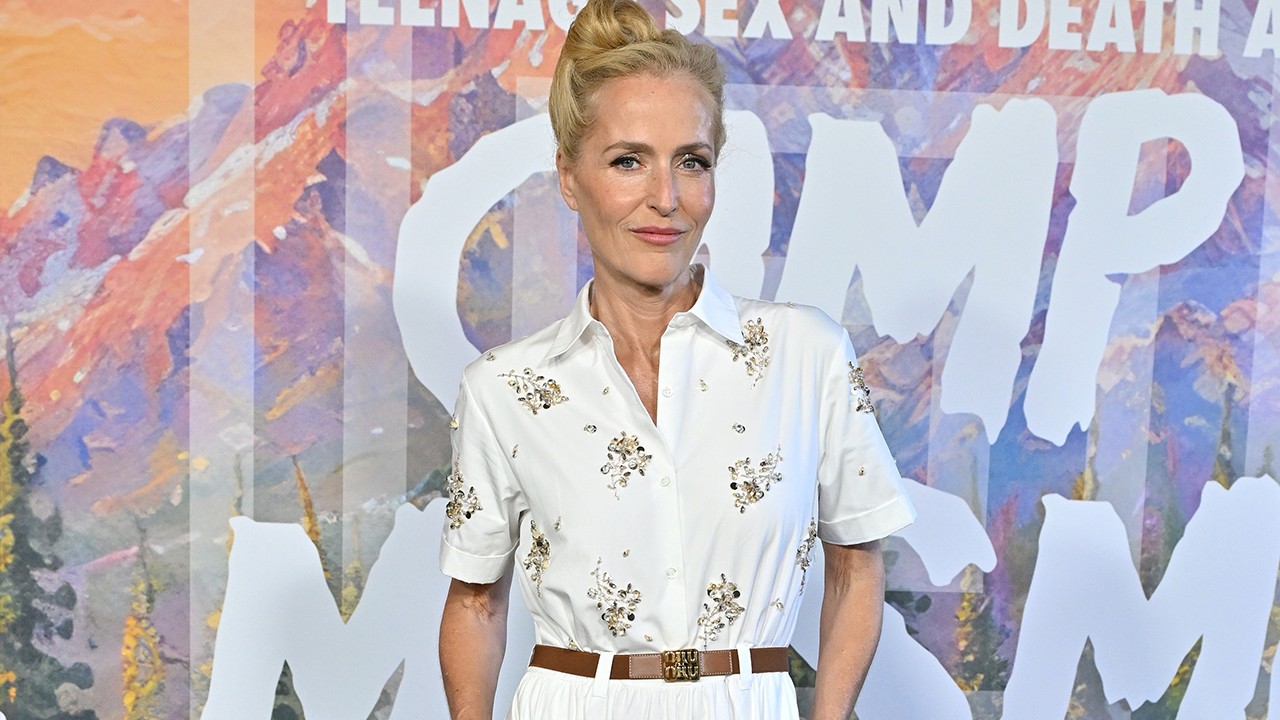
Actress Gillian Anderson Publicly Identifies as Pansexual

Gillian Anderson, internationally renowned for her standout performances on television and in film, has openly clarified her sexual orientation, announcing in a recent interview that she identifies as pansexual.
Gillian Anderson’s Revelation: Putting a Name to Her Journey
Gillian Anderson, whose career has spanned more than three decades, has long been noted for her thoughtful approach to both her craft and her private life. Her confirmation of her pansexuality came during a 2024 interview with The Australian, where she was discussing her latest book, More. The collection serves as a follow-up to her previous bestseller, Want, both of which delve into themes of sexuality and desire. During this candid conversation, the 58-year-old actress shared that she is “pan,” explaining that this means she experiences attraction regardless of a person’s gender identity.
This announcement represents a further step in Anderson’s ongoing discussions about sexuality and personal identity. The actress has previously opened up about her relationships with both men and women, discussing experiences from earlier in her life. While she has never shied away from addressing questions about her sexuality, Anderson had, until this point, expressed some hesitation in labeling herself. In a widely read interview with The New Yorker earlier in 2024, she contemplated whether “pansexual” or “bisexual” was the most accurate term for her experiences, underscoring the evolving understanding many people have of their identities over time.
Understanding Pansexuality: Context and Significance
Anderson’s decision to publicly identify as pansexual holds broader importance in the context of LGBTQ+ representation. Pansexuality, often described as attraction regardless of gender, recognizes the capacity to be attracted to individuals based on qualities beyond gender or gender identity. This is distinct from bisexuality, which refers to attraction to two or more genders. The increasing visibility of public figures who identify as pansexual helps to foster understanding and acceptance, breaking down barriers and challenging misconceptions about sexuality.
Experts in the field of gender and sexuality note that public figures such as Anderson who openly discuss the nuances of attraction provide important visibility, especially for younger generations who may be navigating their own identities. According to advocacy organizations such as GLAAD, inclusive representation in media and public life can contribute significantly to greater awareness and social acceptance of diverse identities.
Career Highlights and Influence Through the Arts
Gillian Anderson is best known for her iconic roles as FBI agent Dana Scully in The X-Files and as sex therapist Dr. Jean Milburn in Netflix’s Sex Education. Through these varied characters, Anderson has consistently explored complex issues surrounding gender, sexuality, and identity. In particular, her performance in Sex Education helped open conversations about intimacy and sexual health for global audiences and, by Anderson’s own admission, has made her more comfortable discussing these topics in public.
Her work extends beyond acting to writing and advocacy. In 2024, Anderson released her book Want, which collected women’s anonymous sexual fantasies, aiming to break taboos and encourage honest discussion about desire and intimacy. Her latest release, More, continues this theme, exploring the depth and diversity of human attraction and experience. These projects reflect Anderson’s commitment to challenging stigma and promoting open dialogue about topics often deemed sensitive or private.
Personal Life: Relationships and Reflection
While Anderson is a prominent public figure, she has maintained a balanced approach to sharing aspects of her personal life. She has been linked romantically with playwright and screenwriter Peter Morgan, though she has emphasized in recent interviews that her current relationship status does not define the scope of her attraction or experiences. “The fact that my partner is a man does not necessarily define who I could fall in love with,” Anderson noted, reinforcing her fluid approach to love and partnership.
This message resonates with many in the LGBTQ+ community who feel that the labels applied to them often fail to fully capture the range of their experiences. Anderson’s openness reflects a growing social conversation around the limitations and usefulness of labels, as well as the importance of authentic self-identification.
Contribution to Broader Conversations on Sexuality
Gillian Anderson’s coming out as pansexual is in step with a wider societal shift toward recognizing the complexity of sexuality. Recent years have seen increased openness and public discussion around sexual fluidity and the spectrum of human attraction. Researchers in psychological and social sciences have documented a trend in which younger generations are more likely to identify with nontraditional sexual identities, including pansexual, asexual, and queer, compared to previous decades.
This evolution is part of a broader movement toward acceptance and self-definition. Organizations such as the American Psychological Association note that the language around identity and orientation continues to grow and change, reflecting social realities and individual experiences. Public declarations like Anderson’s, made thoughtfully and with care, help model the importance of honest self-expression.
Industry and Community Reaction
The entertainment industry, which has sometimes lagged behind in terms of representation, has become increasingly supportive of performers who share their stories. Fellow actors, fans, and advocates have expressed appreciation for Anderson’s candor. LGBTQ+ advocacy organizations and allies have lauded her decision to speak openly, describing it as a powerful gesture of solidarity and visibility. Media outlets around the world have reported on Anderson’s interview, noting its significance in the wider context of celebrity disclosures and cultural conversations about sexuality.
Social media has played a key role in amplifying Anderson’s statement, with many users expressing gratitude for her transparency and for the example she sets. For people who identify as pansexual or who are exploring nontraditional labels, Anderson’s journey has provided both affirmation and hope for greater acceptance in the broader culture.
Literary and Cinematic Projects Exploring Desire and Sexuality
Through her books and film work, Gillian Anderson has consistently examined questions of intimacy, desire, and societal attitudes toward sexuality. Her books, Want and More, gather anonymous stories from women about their fantasies, creating a safe space for discussion and self-exploration without judgment. These projects are particularly important at a time when, despite progress, there is ongoing stigma surrounding open conversation about sexual health and desires.
Additionally, Anderson’s role in the film Miasma has offered her another opportunity for personal and professional reflection. She has indicated in recent interviews that the concurrent release of her new book and this film may mark the end of an important chapter in her career—one defined in part by her courageous engagement with challenging topics.
Media’s Role in Normalizing LGBTQ+ Narratives
The normalization of diverse sexual identities in popular media has been a slow but significant evolution. Gillian Anderson’s visibility as a respected actress, author, and advocate helps further mainstream acceptance of pansexuality. Experts argue that when public figures are open about their identities, it has a “ripple effect,” encouraging people everywhere to reflect on and embrace their own identities more freely.
This phenomenon has been observed by researchers at institutions such as the Pew Research Center and GLAAD, who have documented the impact of high-profile disclosures on public attitudes toward LGBTQ+ issues. Increased representation is linked to reduced stigma, greater understanding, and more supportive environments for individuals of all backgrounds.
The Importance of Authentic Self-Expression
At the core of Anderson’s public statement is the principle of authentic self-expression. Her willingness to discuss the journey of her identity—its uncertainties, evolution, and present clarity—mirrors the experiences of many others navigating similar paths. By speaking truthfully and without sensationalism, Anderson stands as a role model not just for aspiring actors and writers, but for anyone seeking to live with honesty and integrity.
Anderson’s story highlights the value of self-acceptance and the courage required to publicly embrace one’s truth, regardless of the potential challenges. Her impact as a public figure and advocate goes beyond the worlds of entertainment and literature, influencing social understanding and creating space for open, informed, and respectful dialogue.
Looking Ahead: Gillian Anderson’s Continuing Legacy
As Gillian Anderson moves forward in her career, her contributions to discussions of sexuality and identity will likely endure. Whether on screen, in print, or in her personal advocacy, her legacy is one of thoughtful engagement, compassion, and a dedication to giving voice to underrepresented experiences.
Anderson’s announcement of her pansexuality adds a new dimension to her public persona—one marked by ongoing exploration, honesty, and a commitment to helping others navigate the complexities of love and identity. Her continued involvement in creative and social projects suggests that, though she may close some chapters, her influence in these important conversations is sure to remain.
Sources
Disclaimer: This content is intended for entertainment purposes only and is not based on real events.