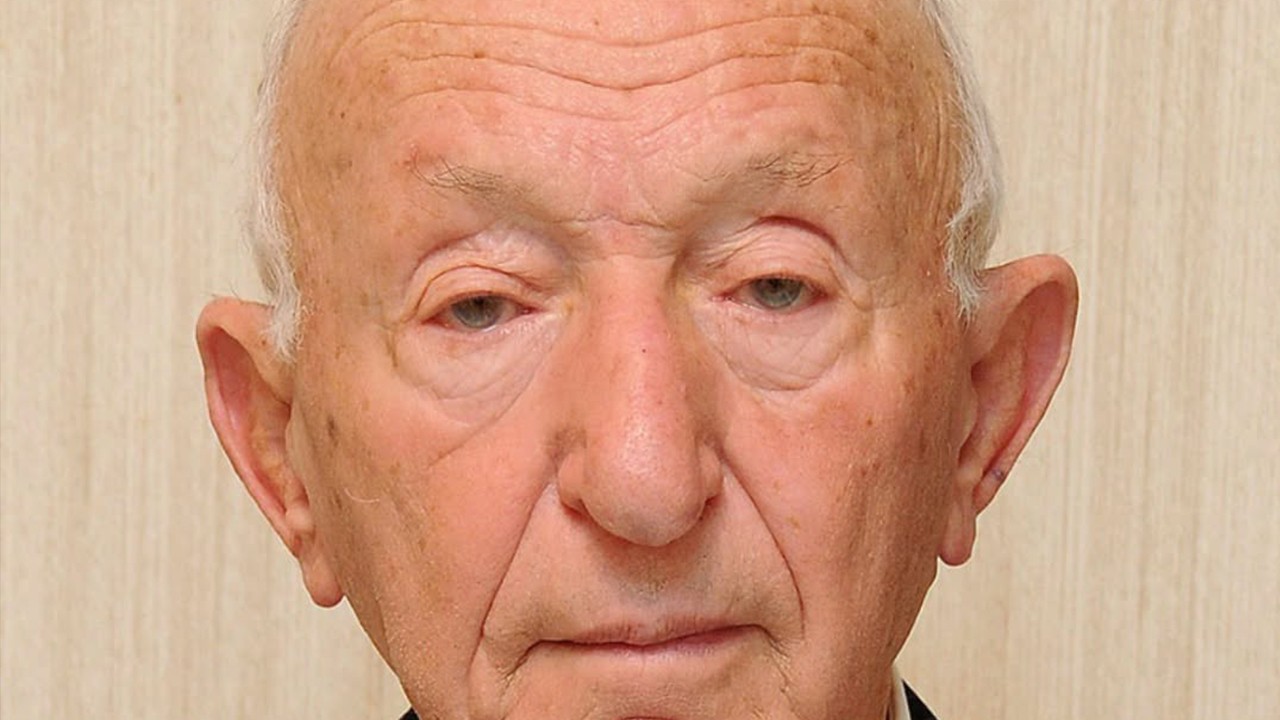
The Final Transport: The Life and Legacy of Yehuda Aharon Widawski, Holocaust Survivor
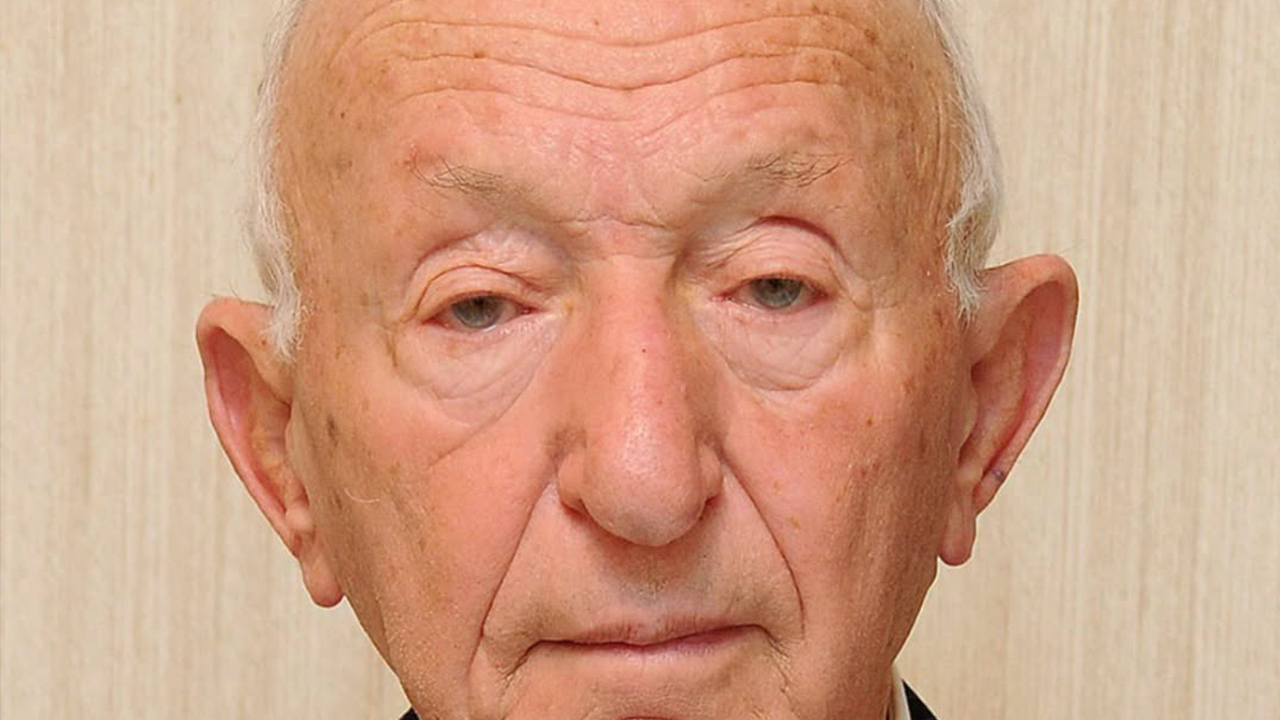
The atrocities carried out by the Nazis during the Holocaust left an indelible mark on the world. Yet, the generation of survivors who endured these horrors continues to provide us with powerful reminders of both history’s darkest chapters and humanity’s capacity for resilience and hope. Among these remarkable individuals was Yehuda Aharon Widawski, whose extraordinary story stands as a testament not only to survival in the face of inhumanity, but also to a lifelong commitment to remembrance and restoration. His passing at the age of 107 is a solemn moment, prompting reflection on his impactful life and the enduring importance of Holocaust memory.
Early Life in Pre-War Poland
Yehuda Aharon Widawski was born on July 26, 1919, in Turek, a small Polish town with a significant Jewish population. He grew up in a religious Jewish family, rooted in tradition, faith, and strong communal ties. In 1933, seeking better economic opportunities, the family moved to Łódź, one of Poland’s largest cities and a thriving center for Jewish life and culture prior to World War II. There, the Widawskis ran a textile business, contributing to a bustling local industry that characterized Łódź’s mixed population.
In Łódź, Yehuda became active in the Hashmonaim youth movement, an organization dedicated to Jewish identity and self-improvement. The Nazi invasion of Poland in 1939, however, upended the city’s vibrant Jewish community and forever changed the course of Widawski’s life.
The Tragedy of the Łódź Ghetto and Family Loss
When Nazi Germany occupied Poland, the Jews of Łódź were forced into the city’s newly established ghetto, the second largest in the country after Warsaw. It was there that Widawski, along with his parents Abraham and Dobrish-Leah, his brothers Gabriel, Chaim Moshe, Yehoshua, and his sister Yocheved, faced the daily terror of dehumanization, starvation, and disease.
As the war dragged on, conditions in the ghetto worsened. In August 1944, the Nazis deported the remaining Jews of the Łódź Ghetto in a final transport to Auschwitz-Birkenau, the most infamous of Nazi death camps. Widawski’s parents and his elder brother Gabriel were murdered upon arrival; his brother Chaim Moshe would later be killed at Buchenwald, and his sister Yocheved perished in Stutthof. Of his immediate family, only Yehuda and his brother Yehoshua survived the initial Auschwitz selection.
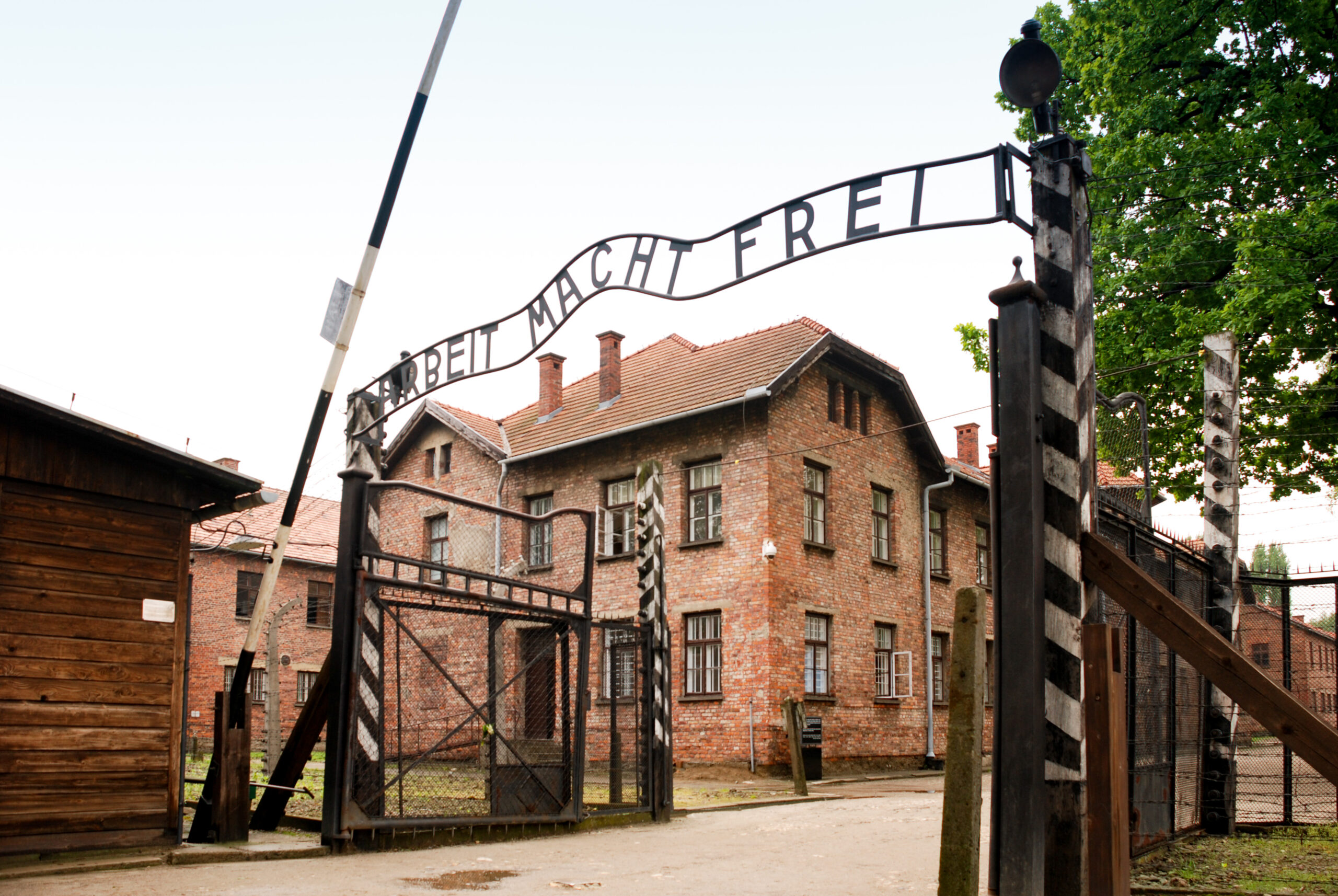
Surviving the Camps: Honesty Amid Desperation
After a harrowing selection process at Auschwitz, the two brothers were transported to the Friedland forced labor camp near Breslau. Here, Jewish prisoners were compelled to build aircraft wings for the German war effort, under brutal supervision. Survival in such camps often depended on quick thinking and calculated risk.
Widawski recounted a notable incident during his first days at Friedland. When guards asked prisoners about their professions, most lied and claimed technical expertise, believing it would increase their utility and thus their chance of survival. Yehuda told the truth. Surprisingly, instead of punishment, he was singled out for his honesty, with the German manager announcing, “You are all liars. There is only one honest man here. Give him a double portion of hot food.” This moment not only contributed to his physical survival but also elevated his status among fellow prisoners.
Working in the camp came with a heavy burden. Prisoners were forced to walk nine kilometers each way daily, after which they labored under dire conditions. Widawski later said, “It was terrible, but we lived with the hope that we would get through it.” He also developed strategies to protect his group: when the Germans raised production quotas, he helped prisoners conceal completed wings, providing a safeguard against brutal reprisals for underperformance.
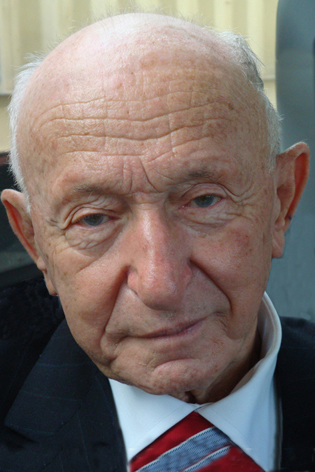
The end of Nazi Germany brought liberation to Friedland. On May 9, 1945, Soviet forces entered the camp. Yehuda and his brother were finally free, though the road ahead was one of profound loss and immense challenges.
Rebuilding After the War: New Beginnings in Israel
After liberation, Widawski returned to Łódź, where survival was still a daily struggle and antisemitism persisted among the local population. Nevertheless, he rebuilt his life. He married Dobrish Wassercug and together they tried to restore a sense of normalcy. Their son, Avraham, was born in Poland, but by 1950, anti-Jewish sentiment and political instability led them to seek a new beginning in Israel.
The family settled in Tel Aviv, integrating into a nation of survivors and refugees from across Europe. In Israel, their daughter Leah was born, and the Widawski family slowly began to thrive. However, the past was never far from Yehuda’s thoughts. The memory of his murdered family, the destroyed Jewish communities of Poland, and the devastation of the Holocaust weighed heavily upon him.
A Lifelong Mission: Memorializing Lost Jewish Communities
In 1978, nearly three decades after the war, Widawski returned to Poland for the first time, driven by the desire to locate his grandmother’s grave. What he found on his journey deeply affected him. Many Jewish cemeteries he visited bore the scars of war and neglect—the victims’ final resting places had been forgotten, overgrown, or desecrated. In this moment, Yehuda’s private search transformed into a public mission.
He dedicated himself to the preservation and restoration of Jewish cemeteries across Poland. In Łódź, Widawski, using archival records and painstaking research, identified and restored more than 3,000 graves. His work frequently took him throughout Poland, where he collaborated with local and international organizations to locate, mark, and preserve Jewish heritage sites. This endeavor became a beacon of hope for families seeking to trace their ancestry and for all those committed to Holocaust memory.
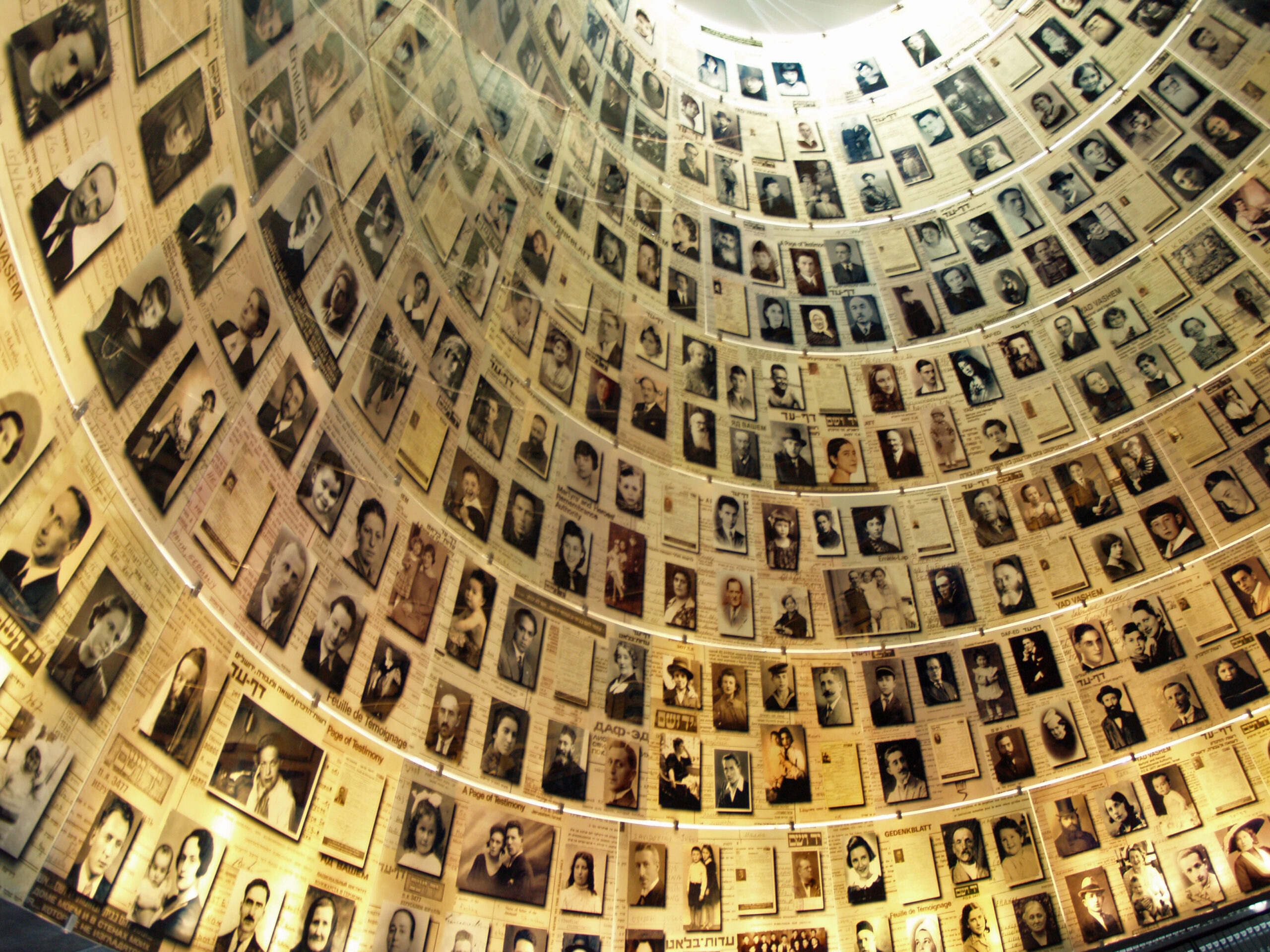
Widawski’s passion for remembrance drew widespread recognition. In 2012, he was selected to light a ceremonial torch at Yad Vashem, Israel’s official Holocaust Remembrance Day event—a symbolic affirmation of his efforts to defend the memory of those whose lives were cut short.
A Legacy Cemented by Generations
For Yehuda Widawski, the birth of Israel was the ultimate answer to Nazi persecution. When asked what he considered “revenge” against the Nazis, he would say, “My revenge on the Nazis is that they lost, and we have the State of Israel. We are free and strong, and no one will ever be able to destroy us again.”
In 2018, accompanied by 31 members of his family—a living testament to resilience and renewal—Widawski journeyed once more to Poland, retracing the milestones of his remarkable life. The following year, he celebrated his 100th birthday enveloped by family, friends, and community leaders, bearing witness to five living generations.
National and International Recognition
Upon the announcement of his passing, tributes poured in from both Israeli and international dignitaries and institutions. Israeli President Isaac Herzog, who had hosted Widawski in the President’s Residence at the age of 104, recounted being moved by Yehuda’s life story. Herzog observed, “That search [for his grandmother’s grave] became his life’s work. For decades, Yehuda worked to locate and restore Jewish cemeteries and graves in Poland and helped identify more than 3,000 graves.” He concluded: “Indeed, his life was a remarkable testament to the victory of life, remembrance and national rebirth. May Yehuda’s memory be blessed.”
The Auschwitz Memorial and other Holocaust remembrance organizations issued statements commemorating his longevity, resolve, and contribution to Holocaust education, reinforcing the importance of individual stories within the larger historical narrative.
With great sadness, we received information about the passing of Auschwitz Survivor Yehuda Widawski.
He was born on 26 July 1919 in Turek, near Łódź, in central Poland. In 1933, the family moved to Łódź, where he became active in the Hashmonaim youth movement and later helped… pic.twitter.com/Q16mbQt7rz
The Lasting Impact of Remembrance
Though Yehuda Aharon Widawski has passed, the legacy he leaves behind resonates throughout Israel, Poland, and the Jewish diaspora. His efforts ensured that thousands of names once nearly lost to time regained their rightful place in collective memory. The cemeteries he restored serve not only as sites of commemoration but also as bridges linking past, present, and future generations.
Widawski’s journey—from a small Polish town through the horrors of the Holocaust, to a new life in Israel, and back to the cemeteries of his homeland—encapsulates the tragedy, complexity, and hope interwoven throughout Jewish history in the twentieth century. His life imparts a powerful message: that remembrance is a vital act of resistance against the tides of forgetting and revisionism, and that survival can be a platform for healing and renewal.
As the number of Holocaust survivors diminishes with each passing year, stories like Yehuda’s become all the more essential. They remind us of the enduring responsibility to remember, to act against hatred and denial, and to nurture the seeds of understanding and tolerance for future generations. May his story, and those of other survivors, continue to educate, inspire, and give meaning to the ongoing project of Holocaust remembrance and education.
Further Reading
- 70 years after the Holocaust, a drone flies over Auschwitz – the footage is heartbreaking
- Trump loses temper and lunges at female journalist asking about $5,000 checks
Sources
Disclaimer: This content is intended for entertainment purposes only and is not based on real events.