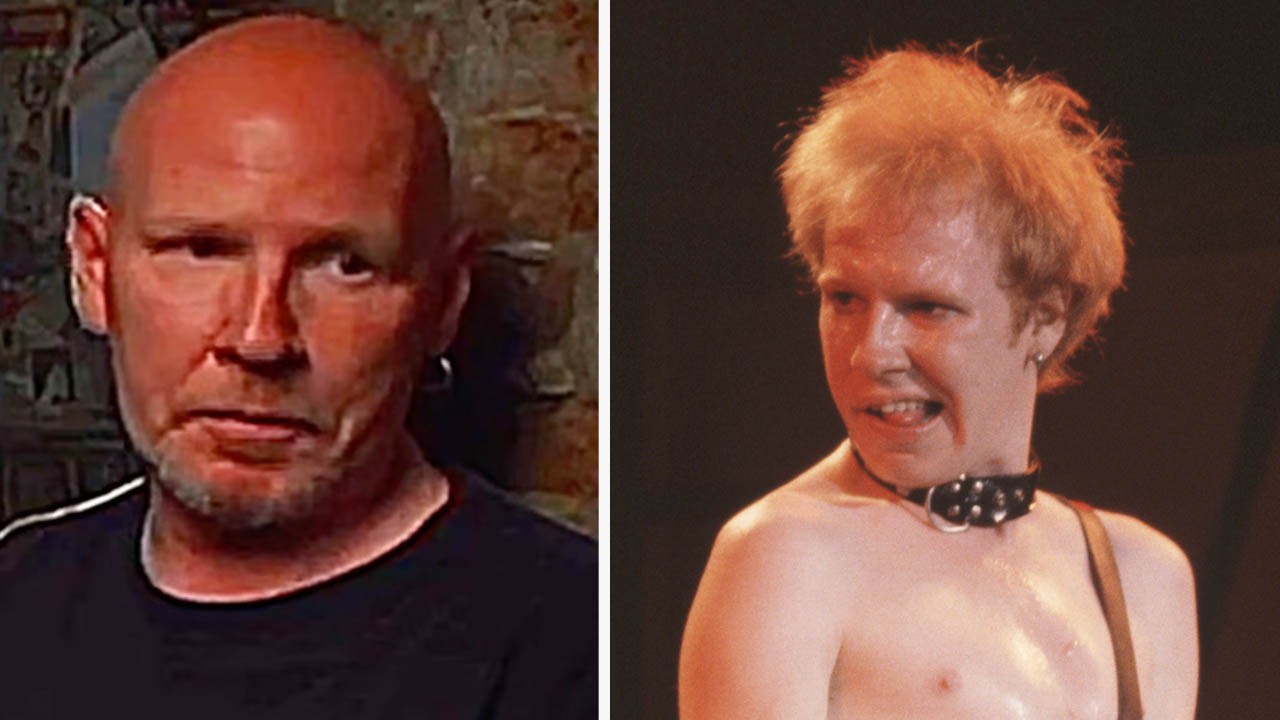
The Punk World Mourns: Cheetah Chrome, Dead Boys Co-Founder and Guitarist, Dies at 71
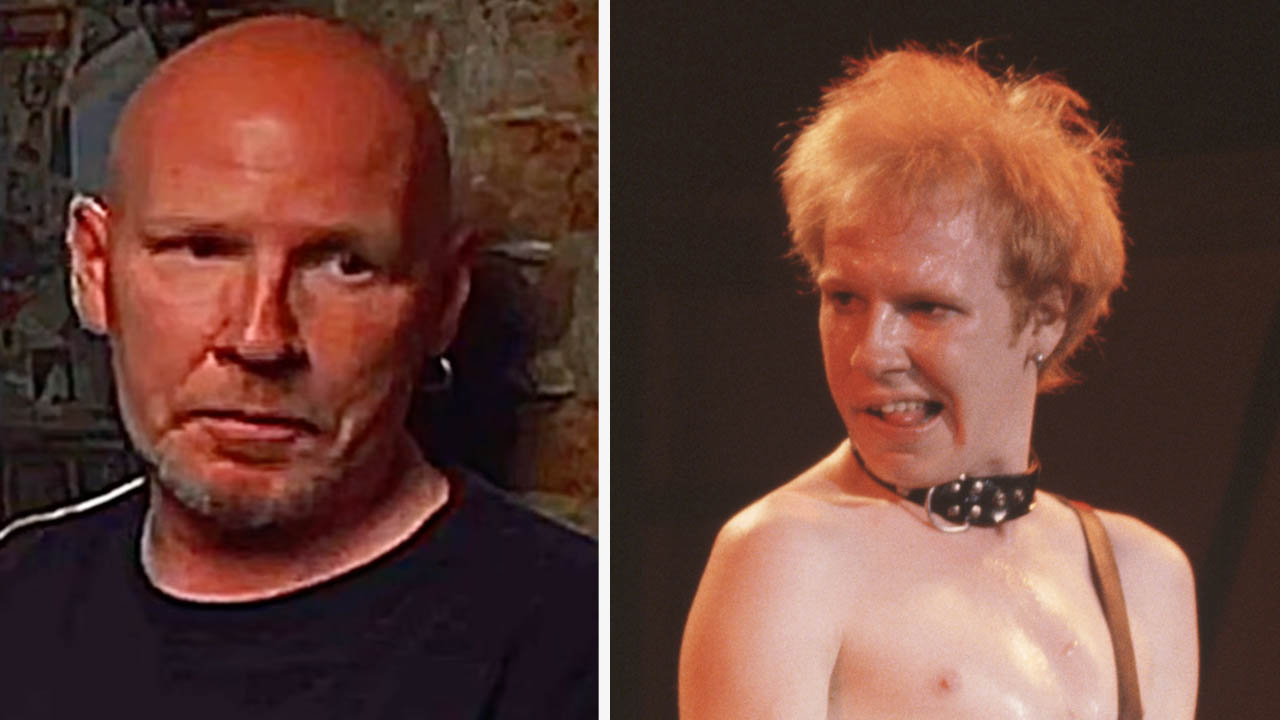
The global punk music community is mourning the loss of a true pioneer, as Cheetah Chrome, co-founder and lead guitarist of the influential American punk band Dead Boys, has passed away at the age of 71. Chrome, known for his electrifying stage presence, innovative guitar work, and pivotal contributions to the punk movement, played a key role in shaping the sound and spirit of U.S. punk during the 1970s. His passing marks the end of an era, but his influence endures through generations of musicians and fans.
The Announcement and Community Response
Dead Boys announced Cheetah Chrome’s death via their official social media channels. In a poignant statement, the band wrote, “We are incredibly sad to announce the news of the passing of our beloved friend and bandmate Cheetah Chrome. Cheetah was a true original, an architect of the punk rock movement. A one-man hurricane tearing up the musical landscape with his feral guitar riffs and manic energy.” The announcement continued, expressing their condolences to Chrome’s family, friends, and fans and underscoring his joyful spirit and enduring legacy: “His music lives on and will continue to inspire others for generations to come.”
Early Life in Cleveland, Ohio
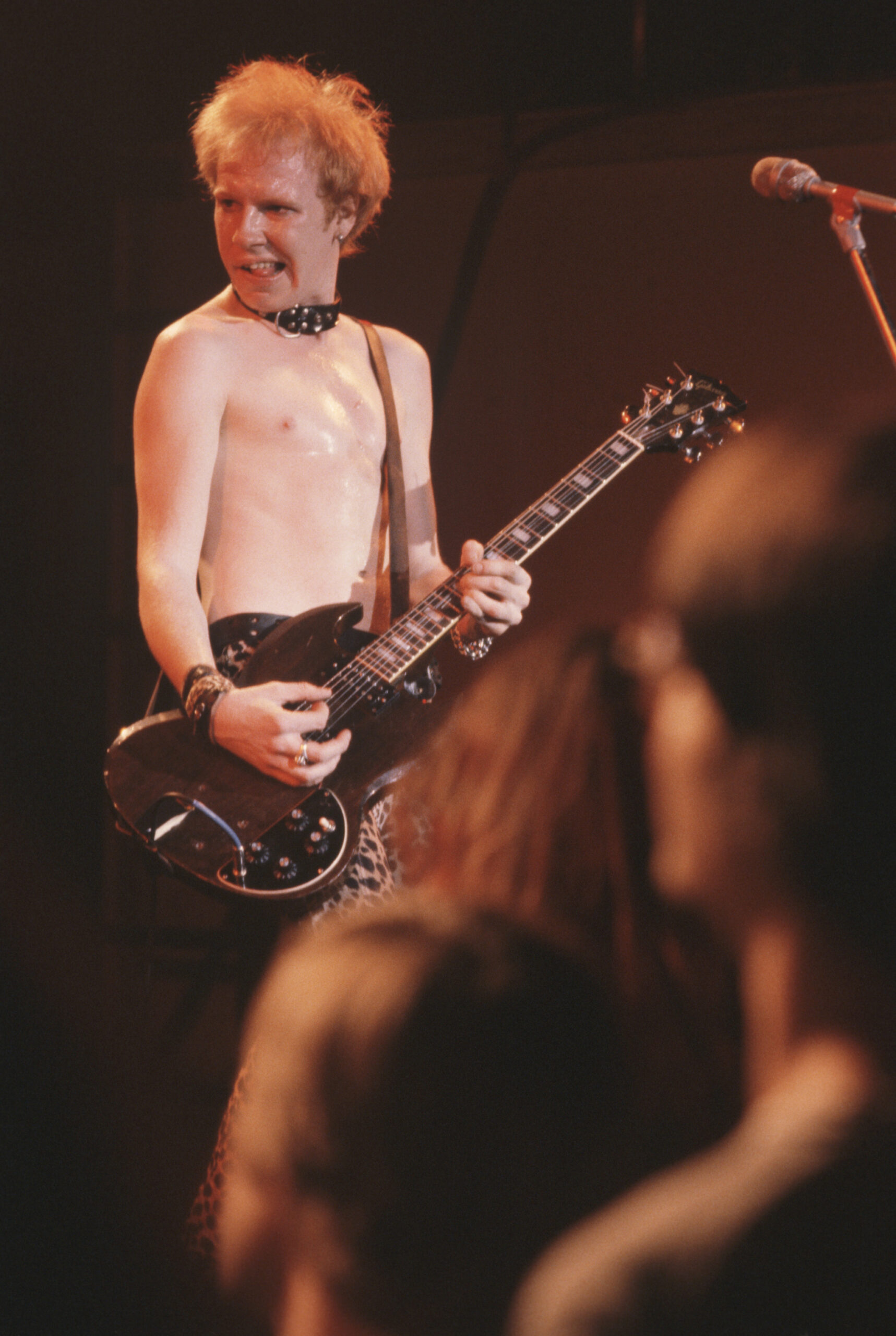
Born Eugene Richard O’Connor on February 18, 1955, in Cleveland, Ohio, the man who would become “Cheetah Chrome” showed an early fascination with music. Growing up in the heart of America’s industrial Midwest, Chrome was immersed in the city’s gritty rock scene during a time of tremendous cultural change. He began playing guitar in his teens, drawing inspiration from the hard-hitting approach of artists like The Stooges and The Velvet Underground.
Chrome’s passion for pushing musical boundaries led him to join the Cleveland-based art-punk band Rocket From The Tombs in 1974. This group, which also featured other seminal punk figures such as David Thomas and Peter Laughner, experimented with the fusion of garage rock, glam, and the burgeoning energy of punk. Although Rocket From The Tombs was short-lived, their fierce creativity laid groundwork for the next chapter in U.S. punk history.
The Birth of Dead Boys
In 1975, Rocket From The Tombs disbanded, but from its ashes two legendary groups emerged: Pere Ubu and Dead Boys. Chrome, along with vocalist Stiv Bators, guitarist Jimmy Zero, bassist Jeff Magnum, and drummer Johnny Blitz, founded the Dead Boys—a band that would soon become synonymous with the raw, confrontational edge of American punk.
Adopting a brash, rebellious aesthetic, the Dead Boys quickly gained a reputation for their raucous performances and nihilistic lyrics. Their adoption of the “Young, Loud and Snotty” mantra captured the mood of a generation disillusioned with mainstream rock. In 1976, with encouragement from punk luminary Joey Ramone, the band relocated to New York City, placing themselves right at the heart of the punk explosion at venues such as CBGB in the East Village.
Making History at CBGB
New York City in the mid-1970s was a crucible for punk music, with venues like CBGB drawing innovators from across the country. Chrome and the Dead Boys quickly became stalwarts of this scene, sharing stages with bands including The Ramones, Television, Blondie, and Richard Hell and the Voidoids. Their sound, characterized by Chrome’s abrasive guitar riffs, volatile performance style, and Bators’ sneering vocals, was confrontational and raw, setting new standards for punk rock authenticity.
Reflecting on those formative years, Chrome said in a 2023 interview with Classic Rock, “We realized that there were a lot of people like us out there. Why it didn’t occur to us earlier, to just jump in the damn van and get a gig out of town… we weren’t rocket scientists, we were the Dead Boys.” Such self-deprecating humor underscored the band’s organic and unpolished ethos.
The Influence of “Young, Loud and Snotty”
Dead Boys’ 1977 debut album, Young, Loud and Snotty, failed to achieve mainstream commercial success upon its release. However, its reputation has grown steadily over the decades, and it is now recognized as a landmark recording in punk history. The album’s tracks, including “Sonic Reducer,” “All This and More,” and “Ain’t Nothin’ to Do,” encapsulated the raw energy and outsider attitude of the punk movement. “Sonic Reducer” in particular remains a staple on punk playlists worldwide and has been covered by many high-profile bands over the years.
Music historians note that the Dead Boys’ impact extended beyond the music. Their on- and off-stage antics, charisma, and willingness to confront taboos helped solidify punk’s image as a voice for the marginalized and restless. Artists including Guns N’ Roses, Pearl Jam, and Green Day have cited Dead Boys—and Chrome’s guitar work specifically—as foundational to their development.
Chrome’s Enduring Legacy and Notable Covers
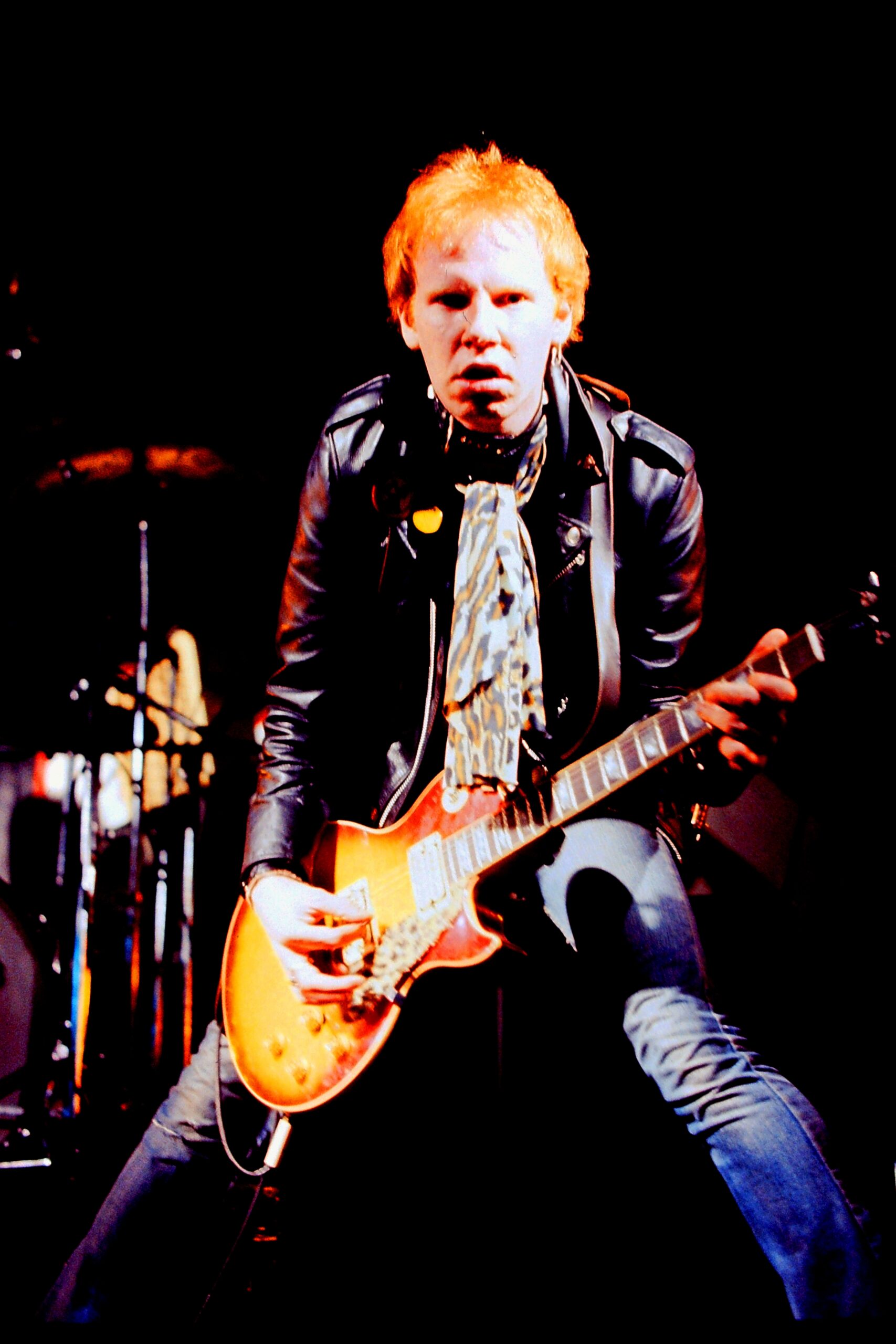
Despite the band’s brief original run (1976-1979), the Dead Boys’ music survived through multiple revivals and cover versions. Cheetah Chrome’s songwriting continued to resonate across genres, notably when Guns N’ Roses included a hard-hitting cover of “Ain’t It Fun” (a song he co-wrote) on their 1993 album The Spaghetti Incident? The cover introduced Chrome’s work to a new generation of listeners and underscored the adaptability and timelessness of his songwriting.
Critics and musicologists frequently highlight Chrome’s aggressive but melodic guitar style as a precursor to later punk, hardcore, and alternative rock scenes. His playing, feverish and chaotic yet precise, translated the frustration and dynamism of his era into sound. Chrome also collaborated with musicians from across the spectrum, participating in reunions, tribute tours, and solo projects that kept the spirit of classic punk alive.
Later Career and Life After the Dead Boys
After Dead Boys’ initial breakup in 1979, Chrome pursued several musical endeavors, collaborating with other influential punk figures. Notably, he briefly joined the influential punk band The Stilettos (which later evolved into Blondie), played with punk blues group The Cheetah Chrome Motherfuckers, and contributed to the punk supergroup The Batusis alongside Sylvain Sylvain of New York Dolls.
The Dead Boys reformed intermittently for reunion shows and new recordings, although these reunions never quite captured the raw energy of their 1970s heyday. Chrome also published a memoir, Cheetah Chrome: A Dead Boy’s Tale from the Front Lines of Punk Rock, in 2010, offering a candid look into the wild world of early punk and the personal challenges he faced.
No Cause of Death Announced
Cheetah Chrome’s death was confirmed in late 2024. As of the latest statements, no official cause of death has been announced. His passing has sparked an outpouring of tributes from across the music world, with fans and colleagues alike celebrating his indelible contribution to modern music and his spirited approach to life.
Music historians anticipate that Chrome’s catalog will continue to be rediscovered as new punk and rock musicians look to the roots of the genre for inspiration. Numerous retrospectives and commemorative projects are expected to follow, further highlighting his achievements and the Dead Boys’ foundational status in the history of punk.
Tributes and International Reactions
Following the announcement, the international punk community, fellow musicians, and music outlets issued tributes recognizing Chrome’s life and work. Patti Smith, Iggy Pop, and members of the Ramones are among those who have cited the Dead Boys’ influence. Major music press—including Rolling Stone, NME, and Pitchfork—published detailed retrospectives, underscoring Chrome’s role in shaping the punk landscape.
Numerous international punk festivals and clubs pledged to honor Chrome with special tribute sets and events. Social media has been flooded with remembrances and clips of classic Dead Boys performances, affirming the global impact of Chrome’s artistry.
The Enduring Spirit of Punk
Cheetah Chrome’s legacy is defined not only by relentless musical innovation, but also by his authenticity and refusal to compromise. As the punk genre continues to adapt and evolve, Chrome’s influence remains visible. His approach to guitar, songwriting, and performance continues to resonate with artists dedicated to direct, unfiltered expression.
Though his physical presence is gone, Cheetah Chrome’s music and message endure—a testament to the enduring power of punk as an outlet for rebellion, creativity, and personal truth. For fans old and new, Chrome’s work with the Dead Boys remains an invitation to question norms and make noise. May he rest in peace, and may his legacy continue to ignite new revolutions in music worldwide.
Further Reading
- Shelley Fabares, star of ‘The Donna Reed Show’ and ‘Coach,’ dies at 82
- Peggy Webber, legendary radio actress who worked with Alfred Hitchcock, dies at 100
Sources
Disclaimer: This content is intended for entertainment purposes only and is not based on real events.