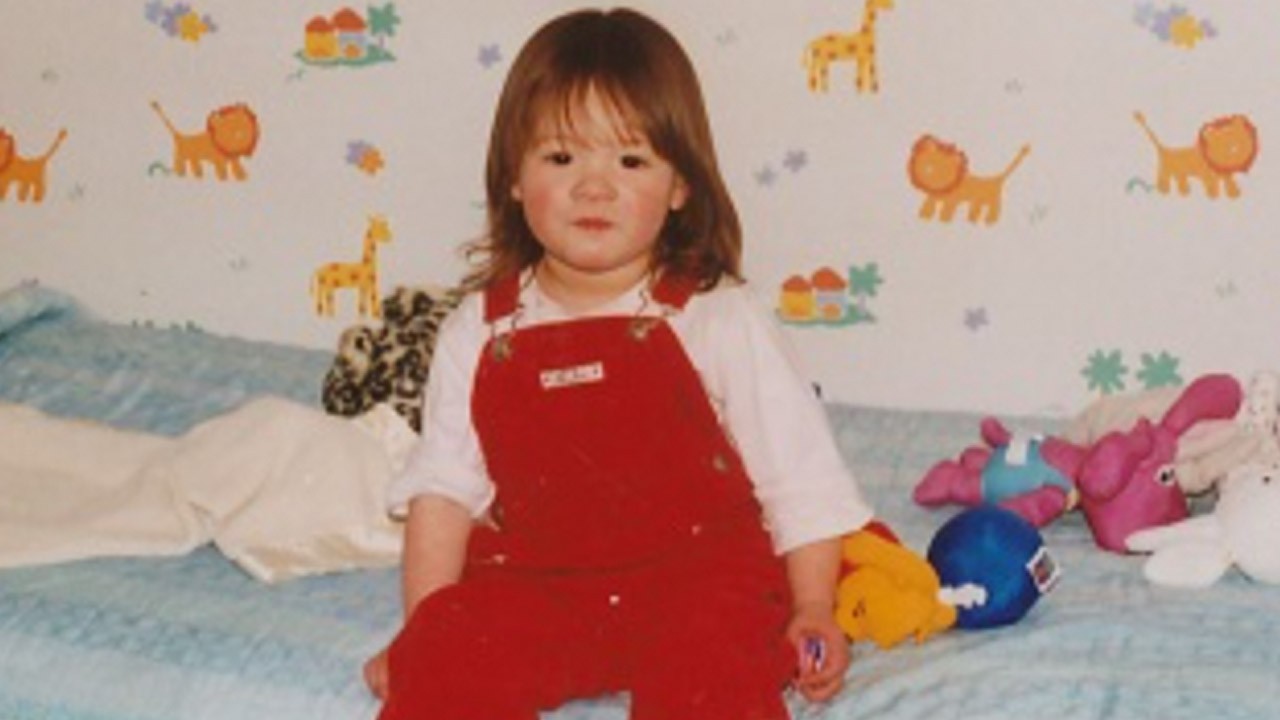
Twenty-five years after the 9/11 attacks, the final moments of a family aboard United Airlines Flight 175 are once again being remembered – including a heartbreaking phone call.

Introduction: Revisiting the Tragedy of United Airlines Flight 175
As the world marks a quarter-century since the events of September 11, 2001, many stories of that tragic day continue to resonate. Among the most poignant is the experience of the Hanson family, whose final moments aboard United Airlines Flight 175 represent both the heartbreak and the enduring legacy of the thousands of lives lost that morning. Central to their story is a deeply emotional phone call made from the hijacked plane, which has become an important element in the ongoing process of remembrance and historical understanding.
The Hanson Family’s Fateful Journey
On September 11, 2001, Peter Hanson, his wife, Sue Kim Hanson, and their two-and-a-half-year-old daughter, Christine Lee Hanson, boarded United Airlines Flight 175 at Boston’s Logan International Airport. Their destination was Los Angeles, where they planned to visit family before enjoying a vacation at Disneyland. For Christine, the family’s only child, it was to be her very first time on an airplane—a milestone the family had looked forward to with excitement and joy.
The Hansons, like hundreds of other passengers that day, could not have foreseen the fateful chain of events that would turn their holiday into an enduring tragedy. Christine would become the youngest victim among the nearly 3,000 lives lost in the coordinated attacks that stunned the world and shaped the course of the 21st century.
The Onset of the Unthinkable: The Hijacking of Flight 175
Flight 175 was hijacked roughly thirty minutes after takeoff. At 8:52 a.m., realizing the unfolding danger, Peter Hanson reached out to his father, Lee Hanson, in one of several phone calls that would provide those on the ground with some of the first, firsthand information about the events transpiring on the aircraft.
According to records compiled by the 9/11 Commission and details shared by Lee Hanson, Peter’s voice conveyed the gravity of the situation with calm and clarity—even as he acknowledged the terror surrounding him. “Dad, we’ve been hijacked,” Peter said, reporting that the cockpit had been forcibly taken over and that a flight attendant was stabbed. Peter urged his father to contact United Airlines to alert authorities, but in the confusion and urgency of the moment, Lee contacted police near his home in Easton, Connecticut, seeking help for his son, daughter-in-law, and granddaughter.
“Don’t Worry, Dad”: Final Phone Calls from the Plane
Peter called his father a second time around 9 a.m. The account, as detailed in the official 9/11 Commission Report and further corroborated by family reports, underscores a scene of growing chaos and despair on board. Peter described passengers falling ill, the aircraft making sudden, sharp movements, and expressed his growing realization that the control of the plane had been violently seized by the hijackers.
Despite the danger, Peter sought to comfort his father, uttering the words, “Don’t worry, Dad. If it happens, it will be very fast.” These words, and the emotional weight they carry, have been cited as a testament to Peter’s care for his family despite his own fear. The final moments of the conversation descended into panic, with Peter reportedly repeating, “Oh my God, oh my God, oh my God…” before a woman on the call screamed and the line abruptly cut off.
In a cruel twist of fate, mere minutes after this last communication, Lee Hanson and his wife Eunice watched in horror as televised news coverage showed United Airlines Flight 175 crashing into the South Tower of the World Trade Center in New York City. The Hansons—Peter, Sue, and little Christine—perished instantly in the impact and ensuing destruction.
The Youngest Victim: Remembering Christine Lee Hanson
The innocence and promise of childhood lost is among the most searing aspects of the 9/11 tragedy. Christine Lee Hanson, not yet three years old, became the youngest known victim of the attacks. Though her life was brief, her memory is carefully preserved by her family and by documentation at the National September 11 Memorial & Museum.
The museum chronicles Christine’s love of outdoor play, her joy in helping her father garden, and her fondness for her stuffed Peter Rabbit toy—a gift from her grandmother, Eunice, marking her birth in the Chinese Year of the Rabbit. The small tokens of her childhood, such as a photograph from her first birthday in which she wears traditional Korean clothing and a picture frame inscribed with the word “Peace,” have become powerful symbols of remembrance and hope. Eunice once noted how Christine placed stickers on all her favorite possessions, recalling with gentle humor: “She put stickers on everything she liked; I suppose it was her mark of approval.” In a small but poignant detail, two Winnie-the-Pooh stickers were still on her cherished Peter Rabbit.
Memorializing the Hanson Family
For Christine’s grandparents, especially Eunice and Lee, the loss was immeasurable. The items and photographs that remain offer comfort and affirm the loving nature of both Christine and her parents. Eunice reflected on a photograph of Christine in its “Peace” frame, saying: “That one word describes Christine’s parents, who were loving people and believed in kindness.”
Lee Hanson, in sharing his final memories of Christine, recounted that during one of their last visits he told her, “I love you,” to which she replied, “I love you too, Papa.” He then asked, “Aren’t we lucky that we have each other to love?” Christine, in the sparkling enthusiasm of childhood, responded by dancing and throwing her arms out wide—a gesture Lee remembers with both warmth and sorrow.
Today the names Peter, Sue, and Christine Hanson are etched together on the National September 11 Memorial in New York, ensuring that their memory, and the full story of their loss, remain an enduring part of the historical record. Their story is one among thousands, but it is one that speaks to the personal dimension of this international tragedy.
Context: The Role of Flight 175 in the 9/11 Attacks
United Airlines Flight 175 was one of four planes hijacked as part of the coordinated al-Qaeda attacks on the United States on September 11, 2001. After being seized by hijackers, the flight, en route from Boston to Los Angeles, was redirected and crashed into the South Tower of the World Trade Center at 9:03 a.m. The attack would claim the lives of everyone on board and hundreds more within the building, and marked a turning point in global history.
The tragedy led to monumental changes in air travel security, global counterterrorism policy, and prompted significant memorialization efforts to honor victims and educate future generations. For those directly affected, such as the Hansons’ surviving relatives, the impact was deeply personal—rippling outward to touch their community and the world.
Preserving Memory: The National September 11 Memorial & Museum
The National September 11 Memorial & Museum in New York stands as the United States’ primary site of remembrance for the events of 9/11. The museum not only details the historical timeline but also places significant focus on individual stories, personal effects, and oral histories. The Hansons are among many families whose artifacts and memories are displayed, serving to humanize the larger statistics of loss with faces, names, and cherished objects.
Memorialization initiatives extend beyond the original Ground Zero, including local community scholarships, dedicated gardens, and commemorations held annually. Families and descendants of victims have played a crucial role in sharing stories, participating in memorial projects, and supporting various causes to promote peace and prevent future tragedies.
International and Societal Impact
The story of the Hansons, like that of many 9/11 victims, has reached audiences around the globe. Worldwide, the events of September 11, 2001, prompted acts of solidarity, remembrance, and collective mourning. National leaders and citizens in numerous countries expressed grief and support, while countless memorial services honored those lost.
Beyond the immediate aftermath, the tragedy transformed global politics, security procedures, and intergovernmental cooperation in profound ways, but it also foregrounded the essential humanity shared by victims and their families. Tributes such as those to Christine Lee Hanson, Peter Hanson, and Sue Kim Hanson continue to highlight the ongoing need for remembrance, reconciliation, and education about the costs of violence.
Expert and Survivor Perspectives
Survivor and family accounts have become critical contributions to the ongoing effort to record 9/11’s history accurately. As experts in trauma, commemoration, and history have observed, personal stories like the Hansons’ are key to promoting empathy and understanding across generations. Organizations such as the Families of September 11 and research by leading universities investigate the psychological impact and the best methods for memorialization, emphasizing the importance of stories that connect viewers and readers to the individual lives behind historical events.
The Ongoing Legacy of the Hanson Family
Twenty-five years after September 11, 2001, the story of the Hanson family remains a powerful reminder of both profound loss and the resilience that family and community can bring to tragedy. Their final moments—captured in one father’s heartbreaking phone calls and one child’s playful innocence—serve as testament to the everyday people whose lives shaped and were shaped by one of modern history’s most defining moments.
As communities, historians, and loved ones continue to revisit the past, the Hansons’ memory calls for understanding, unity, and a shared commitment to a more compassionate world.
Sources
- Reuters
- BBC
- The New York Times
- National September 11 Memorial & Museum
- 9/11 Commission Report
- The Guardian
Disclaimer: This content is intended for entertainment purposes only and is not based on real events.